
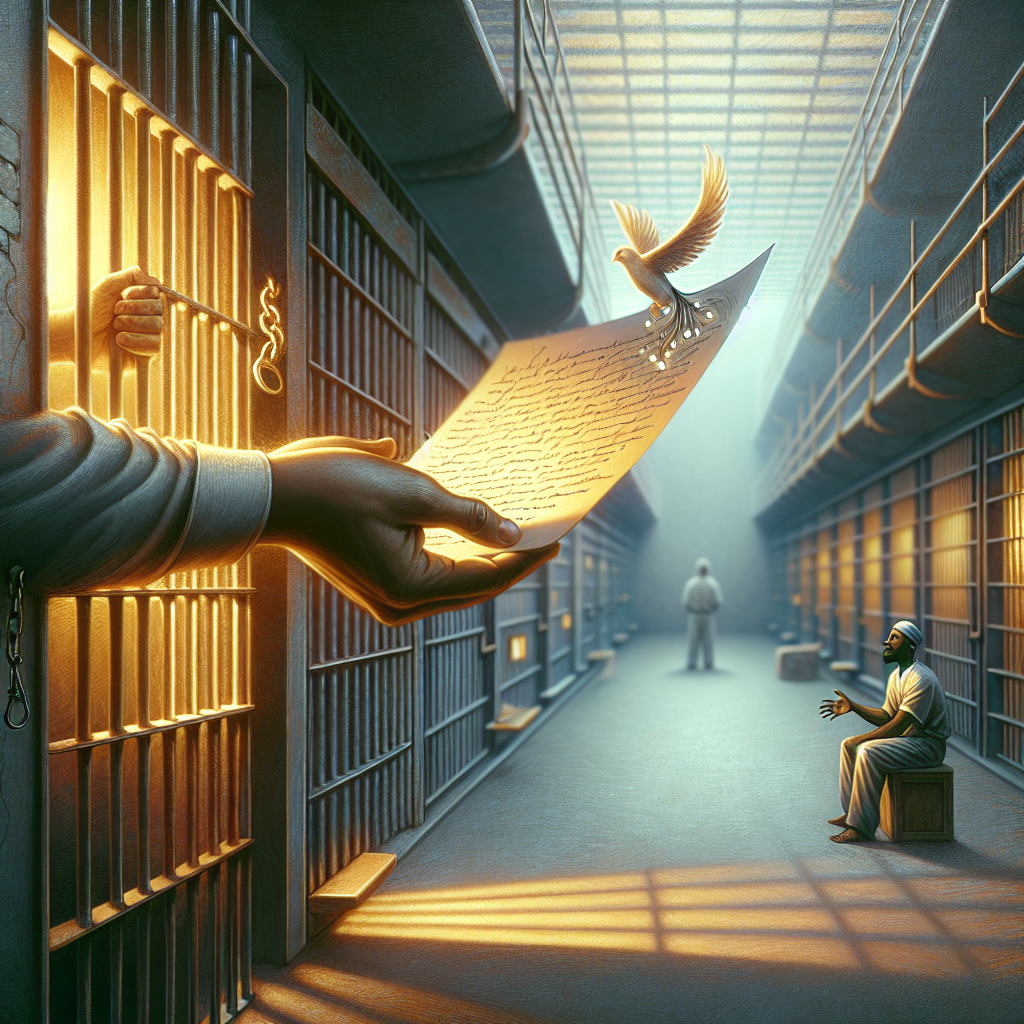
Break Isolation: Your Letter, An Inmate’s Lifeline
Have you ever paused to consider how a single letter can bring a ray of hope into a life shrouded in isolation? Picture this: an inmate, sitting alone in a stark cell, estranged from the world outside. The clanging of metal doors and the echoing silence become their daily companions. In such a world, a letter can become a lifeline, a bridge to the humanity that feels all but lost.
While many of us bustle through our daily routines, those incarcerated often face a much different reality. Life after prison is fraught with challenges, especially when it comes to reentry into society and finding employment after incarceration. The barriers are not just physical but deeply emotional. In a society where second chances are a luxury, the struggle to rebuild a life is daunting. That’s where your letter can make all the difference.
Why does a simple letter matter so much? For many inmates, the outside world feels like a distant planet. They are often forgotten, overshadowed by the stigma of their past actions. This isolation can be as confining as the prison walls themselves. A letter is a reminder that they are not alone; it is an acknowledgment of their existence beyond their mistakes. It can be the first step in breaking the cycle of isolation that too often leads to recidivism.
Take, for example, the story of James, a man who spent years behind bars. For him, the turning point came when he received a letter from a stranger who simply wanted to connect. That letter was not just ink on paper; it was a symbol of hope. It sparked a desire in James to change, to seek employment after incarceration, and to prove himself worthy of a second chance. James’s journey was not easy, but that lifeline of human connection gave him the strength to keep going.
The ripple effect of such gestures extends beyond the individual. Families, too, bear the brunt of isolation. When an incarcerated person finds hope, it can rekindle relationships with family members who may have drifted away. It can restore faith and mend broken bonds, creating a support network that is crucial for successful reentry after prison.
For employers, understanding the power of second chance hiring can transform lives and organizations alike. Businesses that embrace this mindset often find loyal, dedicated employees who are eager to prove themselves. These individuals bring diverse perspectives and a resilience that can invigorate a workplace. Employers who have taken this step often report not just improved productivity, but a richer, more inclusive work environment.
Let’s not forget the broader community. When we extend empathy and support to those reentering society, we reduce recidivism rates and foster safer, more cohesive communities. It’s a win-win situation — one that begins with small acts of kindness and understanding.
Of course, the path is not without its challenges. Transitioning to life after prison demands patience, perseverance, and support. But every journey starts with a single step — or in this case, a single letter. Writing to an inmate is not just about offering them hope; it is about acknowledging their potential for change and growth. It is about being part of a larger movement toward compassion and social justice.
So, why not take the first step today? By reaching out and learning about an incarcerated individual’s life story, you have the power to make a meaningful impact. Visit EliteInmates.com to explore becoming a pen pal. Your letter could be the beacon of hope that guides someone towards a brighter future, reminding them that they are valued and not forgotten. Join us in bridging the gap, one letter at a time, and be part of a transformative journey.
Phone: (302) 201 - 0770
Address: 8 The Green #8840 Dover, DE 19901
info@eliteinmates.com
We write rarely, but only the best content.
