
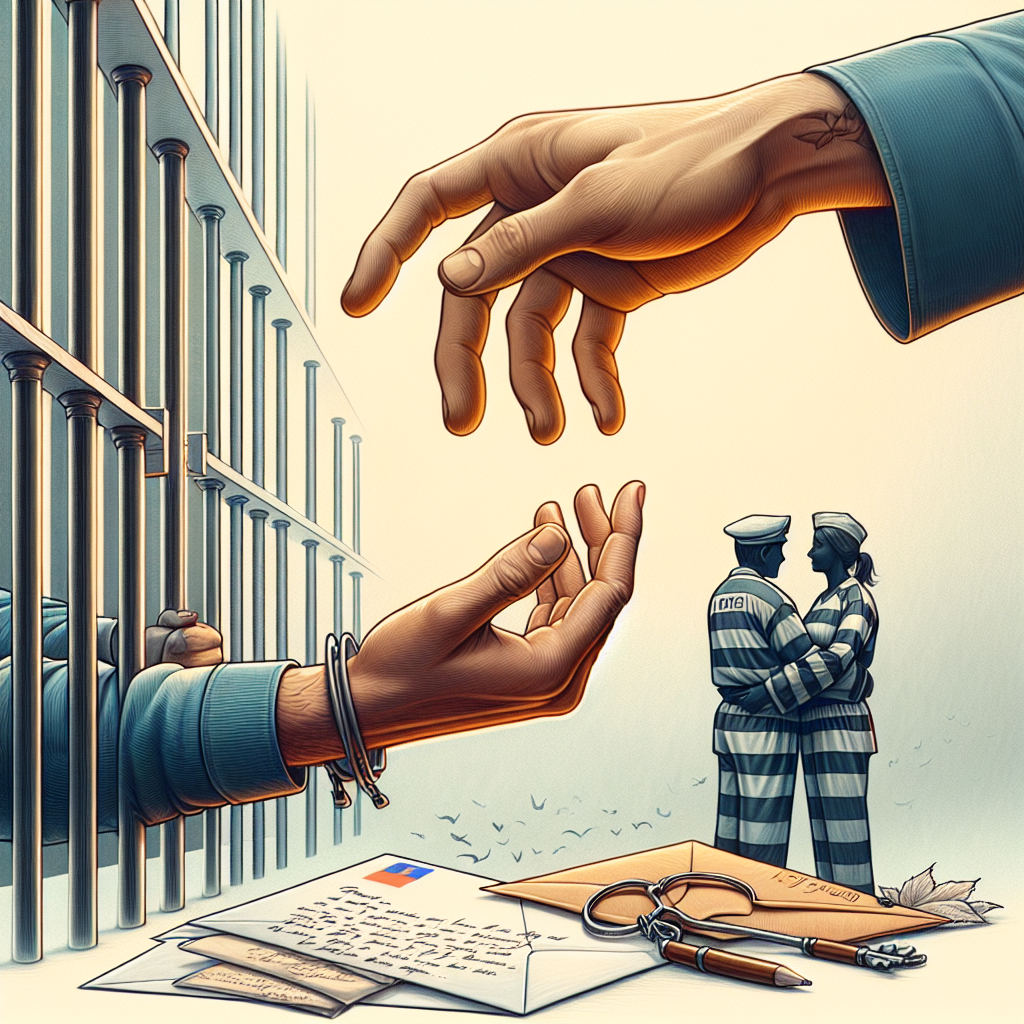
Breaking Loneliness: Emotional Connection for Inmates
Have you ever paused to think about what it’s like to navigate a world that constantly reminds you of your past mistakes? For many formerly incarcerated individuals, the journey to rebuild their lives is akin to walking a tightrope, with employment being one of the most challenging hurdles. Yet, it’s not just about finding a job; it’s about battling the chains of loneliness that often accompany their journey. The power of emotional connection cannot be underestimated in this context.
Life after prison is a complex landscape, fraught with obstacles that extend beyond the prison walls. Formerly incarcerated individuals face an uphill battle when seeking employment after incarceration. Stigmatization and mistrust can plague their attempts to secure a job, often leaving them feeling isolated. But employment is just one piece of the puzzle. Emotional connection and the support of a community play a pivotal role in successful reentry after prison.
Consider the story of James, who, after serving his time, was determined to turn his life around. Despite his skills and earnest desire to contribute positively to society, James faced rejection after rejection. It wasn’t until an employer, committed to second-chance hiring, decided to see beyond James’s past that he finally got a break. But what truly made the difference for James was not just that job offer. It was the mentor he found in his new workplace, someone who offered guidance and companionship, helping him reintegrate not only professionally but emotionally.
This illustrates a crucial point: the path to rehabilitation often requires more than just a paycheck. Support networks, whether they be family, friends, or mentors, provide a necessary foundation for individuals like James to rebuild their lives. They offer hope, understanding, and the chance to share experiences and emotions—elements that can significantly reduce the feeling of being alone on this journey.
Research supports the critical role of social bonds in reducing recidivism. According to a study by the Bureau of Justice Statistics, individuals who maintain strong social connections are less likely to return to prison. This is because these connections can provide emotional support, guidance, and a sense of belonging—key elements that foster resilience and encourage positive life choices.
For employers considering second-chance hiring, the benefits extend beyond fulfilling corporate social responsibility. Employees who have experienced incarceration often bring a unique perspective and a strong sense of determination. By offering them opportunities, companies not only help break the stigma but also contribute to a more inclusive and diverse workplace.
However, the responsibility does not rest solely on employers. Each of us can play a role in breaking the chains of loneliness for those affected by the justice system. Whether it’s through advocacy, volunteering, or simply offering a listening ear, our actions can sow seeds of hope and transformation.
Think of Sarah, a volunteer who became a pen pal to an inmate through a reentry program. Their correspondence evolved from initial introductions to deep, heartfelt exchanges. Sarah became a lifeline, offering friendship and encouragement that her pen pal had not experienced in years. Such connections remind us of our shared humanity and the potential for change that lies within us all.
So why not take the first step today? By visiting EliteInmates.com, you can explore becoming a pen pal to someone who could greatly benefit from your support. Forming connections with incarcerated individuals can offer them hope and friendship, reducing loneliness and supporting their rehabilitation journey. You have the power to make a meaningful impact and help weave a tapestry of second chances. Join us at EliteInmates.com today.
Phone: (302) 201 - 0770
Address: 8 The Green #8840 Dover, DE 19901
info@eliteinmates.com
We write rarely, but only the best content.
