
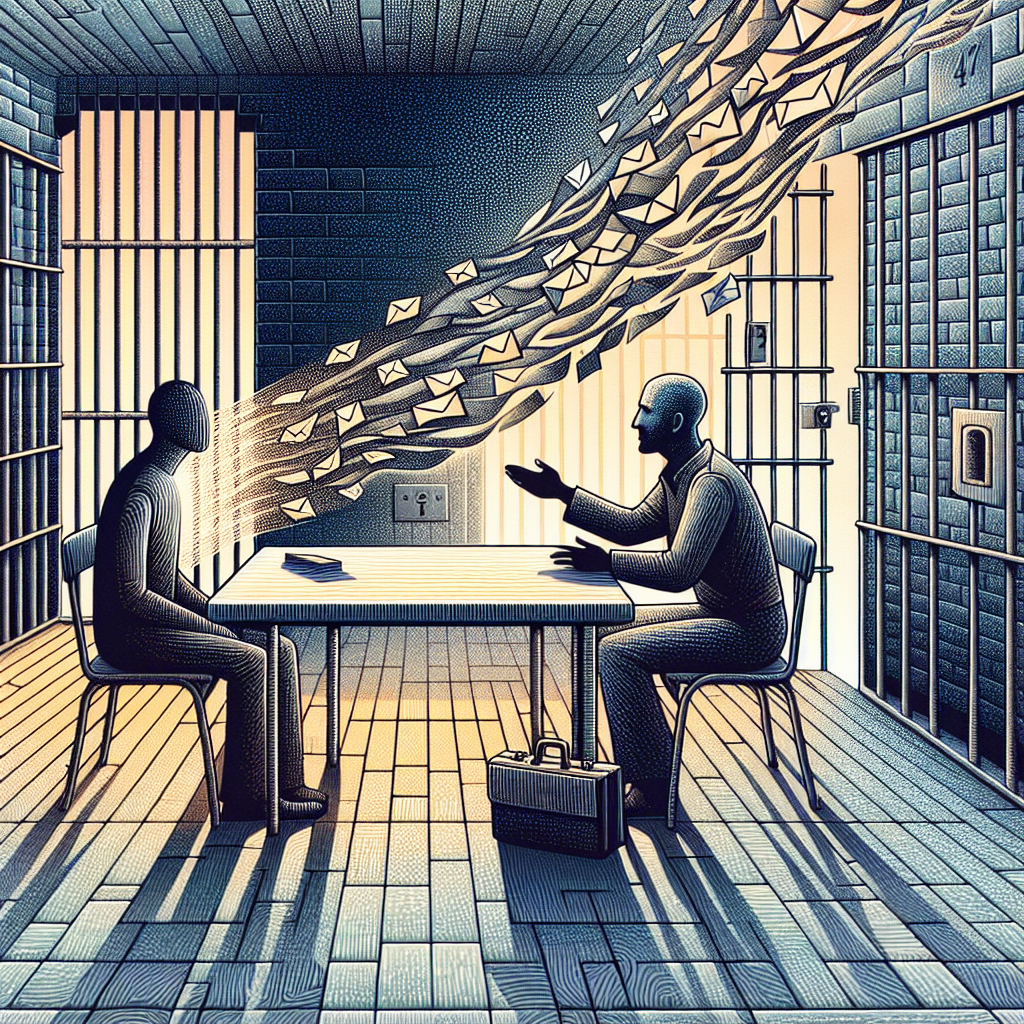
Breaking Loneliness: Empowering Inmate Voices
What does it truly mean to be alone? For many of us, loneliness might be a temporary phase—a quiet evening at home or a solo weekend. But for those who are incarcerated, loneliness can become a relentless, all-consuming presence. It’s a barrier that doesn’t just lock them away physically but isolates them emotionally from the world outside. Yet, amidst the stark walls and rigid routines of prison life, there’s a pressing, often overlooked need: the need for emotional connection.
Imagine navigating life after prison without a support system, without a voice to share your story, or a friend to understand your journey. The struggle for employment after incarceration is well-documented; statistics from the Prison Policy Initiative reveal that the unemployment rate for formerly incarcerated individuals in the U.S. is nearly five times higher than the general population. But these numbers only tell one part of the story. Behind every statistic is a person longing for a second chance—a person whose journey can be positively transformed by the simple yet profound power of human connection.
When we talk about reentry after prison, we often focus on practical challenges: finding a job, securing housing, or accessing education. However, one of the most vital aspects of successful reintegration is building relationships that offer hope and encouragement. Emotional support can be the catalyst that turns a second chance into a successful new beginning. For many, this support starts with someone willing to listen, to empathize, and to offer friendship.
Consider the story of James, who, after serving five years, found himself at a crossroads. With a felony on his record, job opportunities seemed elusive. Yet, through a pen pal program, he connected with Sarah, a volunteer who offered more than just letters. She provided perspective, encouragement, and a sense of belonging. This relationship didn’t just brighten James’s days; it inspired him to pursue further education and, eventually, secure employment through a second chance hiring initiative. Sarah’s friendship helped James see beyond his past and envision a future full of possibilities.
For employers, considering second chance hiring isn’t just about filling a position. It’s about recognizing potential and offering hope. When someone like James walks into an interview, they bring with them not just their skills but a story of resilience, of overcoming adversity. Employers who embrace this potential often find that these employees are incredibly dedicated, bringing a unique perspective and strong work ethic to the table. And, importantly, they contribute to breaking the cycle of recidivism by providing stability and purpose.
But it’s not just employers who can make a difference. Each of us has the power to extend a hand, whether through formal programs or personal connections. The impact of forming such connections is profound, creating ripples of change that go far beyond the individuals directly involved. It fosters a sense of community and shared humanity, reminding us that everyone deserves a chance to rewrite their story.
At EliteInmates.com, we believe in the transformative power of connection. By becoming a pen pal, you can offer more than just companionship. You can offer hope to someone yearning for a second chance, helping to break the chains of loneliness that bind them. Each letter, each conversation, is a step towards understanding and supporting rehabilitation. So why not take the first step today? Reach out, learn about an incarcerated individual’s life story, and become a pen pal. You have the power to make a meaningful impact, one connection at a time. Join us at EliteInmates.com and be part of a journey towards healing and hope.
Phone: (302) 201 - 0770
Address: 8 The Green #8840 Dover, DE 19901
info@eliteinmates.com
We write rarely, but only the best content.
