
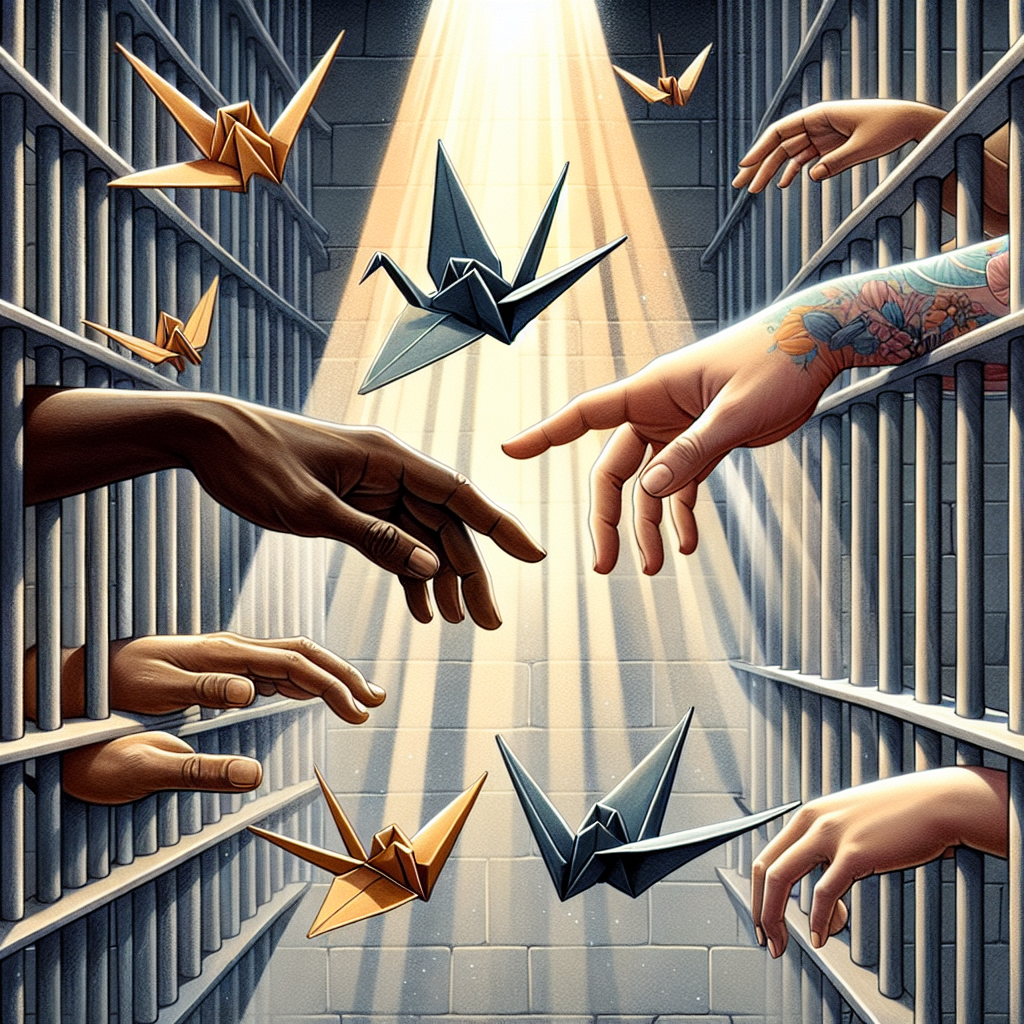
Breaking Loneliness: Giving Inmates a Voice
Could you imagine spending years in a place where your voice is seldom heard, where your identity is often reduced to a number? For many incarcerated individuals, this is their reality. Yet, what if we said that even within these confines, emotional connections could be the lifeline they need to break free from loneliness? At the heart of this issue lies a profound truth: everyone, regardless of their past, deserves to be heard and connected.
Life after prison presents numerous challenges, especially when it comes to seeking employment. The stigma of a criminal record often overshadows the skills and potential these individuals possess, creating barriers to meaningful work. Surprisingly, about 27% of formerly incarcerated people are unemployed, which is significantly higher than the general unemployment rate. This isn’t just a statistic; it’s a stark reminder of the hurdles they face on their path to reintegration.
Stories of successful reentry after prison often highlight the importance of emotional support. Take, for example, James, who after serving a decade in prison, found himself lost in the outside world. With no one to turn to, he struggled with isolation until he connected with a mentor who listened to him without judgment. This simple act of being heard gave James the confidence to pursue second chance hiring opportunities. Today, he’s not just an employee but a valued team member, contributing positively to his community.
The power of connection extends beyond just employment. It’s about rebuilding a life filled with hope and purpose. Emotional connections offer a bridge to understanding and growth, transforming loneliness into empowerment. For families, these connections can mend and strengthen bonds that may have weakened over time, creating a support network crucial for successful reintegration.
But what about those still on the inside? How can we help them prepare for life after incarceration? It’s not just about offering vocational training; it’s about fostering a sense of belonging and self-worth. Programs that encourage communication with the outside world can play a vital role. By providing platforms for inmates to express themselves, share their stories, and connect with others, we ignite a spark of hope that can lead to transformation.
Elite Inmates is paving the way for these connections by offering a unique opportunity to become a pen pal with an incarcerated individual. Just imagine the impact of receiving a letter, knowing someone cares. It’s a simple gesture that can mean the world to someone facing the solitude of prison life. By engaging with these individuals, you’re not just offering friendship; you’re participating in a powerful journey of rehabilitation and healing.
In this era of rethinking justice, the narrative should shift from punishment to potential. Employers are beginning to recognize the value of second chance hiring, seeing firsthand how formerly incarcerated individuals bring resilience and a fresh perspective to the workplace. They know that giving someone a job is not just about employment; it’s about rebuilding lives, one opportunity at a time.
So why not take the first step today? Visit EliteInmates.com and explore the possibility of becoming a pen pal. Your willingness to reach out can offer hope, reduce loneliness, and support rehabilitation. By forming these connections, you’re not just changing a life; you’re becoming a beacon of empathy and understanding. Join us at EliteInmates.com and help break the chains of loneliness. Together, we can create a community where every voice is heard and valued.
Phone: (302) 201 - 0770
Address: 8 The Green #8840 Dover, DE 19901
info@eliteinmates.com
We write rarely, but only the best content.
