
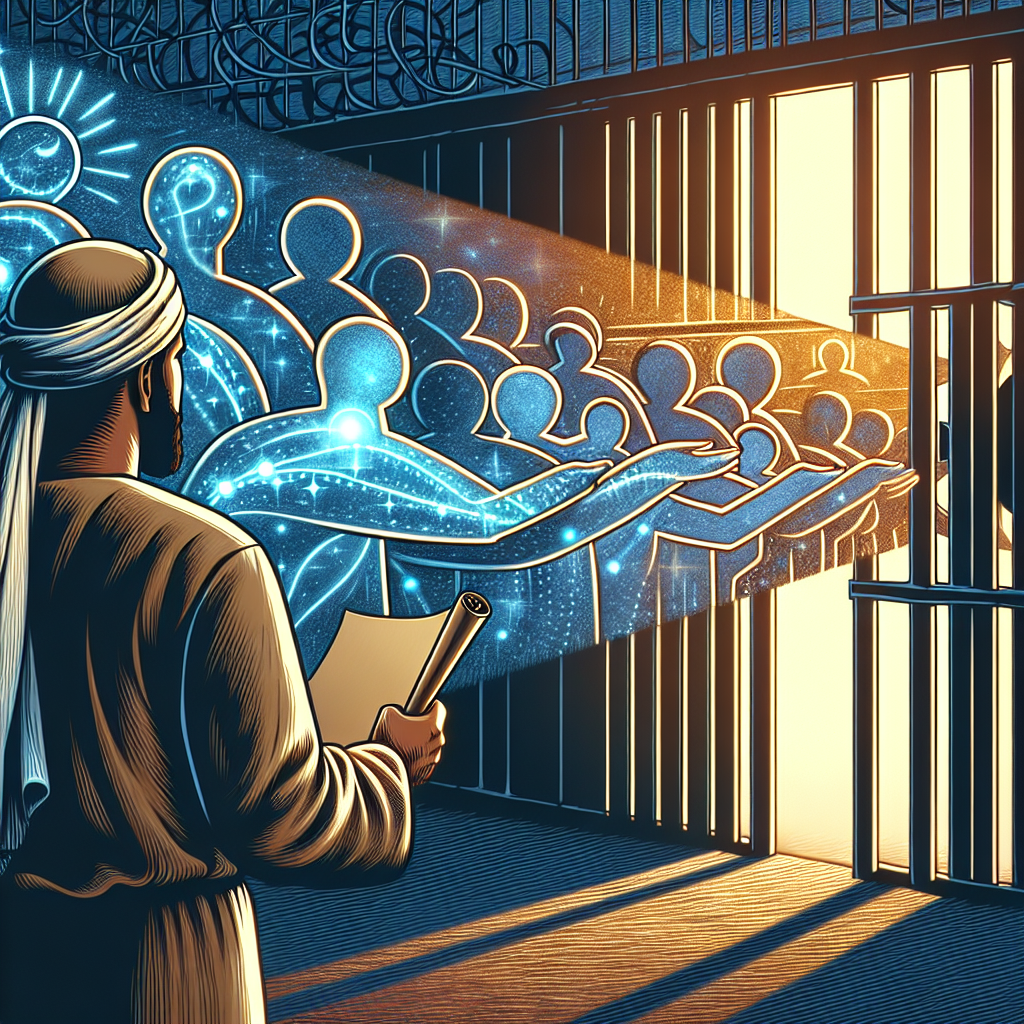
Breaking Loneliness: Giving Inmates a Voice
Is it possible to truly understand loneliness if you’ve never felt its cold grasp? For many, loneliness is a fleeting emotion, but for those behind bars, it can be a relentless companion. Incarceration often strips away the fundamental human need for connection, leaving individuals isolated from the world. Yet, even amidst the walls of confinement, there is a powerful yearning for emotional connections and meaningful interactions. Understanding this need is crucial, especially as we consider the challenges that follow incarceration, including the quest for employment after incarceration and the broader journey of reentry into society.
Imagine this: John, a 38-year-old who has served a decade in prison, is standing at the gates of his release. A free man, yet he carries with him the weight of his past and the uncertainty of his future. The world has changed considerably since he last walked these streets, and the stigma of his record is a constant shadow. He longs for the comfort of a kind voice, a supportive friend, or an employer willing to offer a second chance. This is not just John’s story; it is the reality for thousands navigating life after prison.
The cycle of loneliness is not just an emotional burden; it has tangible effects on reentry after prison. Research indicates that individuals with strong social support systems are more likely to successfully reintegrate into society. Emotional connections foster a sense of belonging and purpose, which are critical in curbing recidivism and promoting rehabilitation. Yet, barriers remain. Employers often hesitate to hire formerly incarcerated individuals, despite evidence showing that second chance hiring is not only beneficial for the individual but also for businesses and society at large. Companies report that employees with a record often show higher loyalty and retention rates, reflecting the deep gratitude they feel for the opportunity.
Consider Sarah, a small business owner who took a chance on a former inmate named Marcus. What began as a leap of faith turned into a rewarding partnership. Marcus’s dedication and work ethic stood out, and he brought a unique perspective that enriched the team. Sarah’s experience is a testament to the potential that lies within second chance hiring. It challenges preconceived notions and demonstrates the profound impact of offering hope and opportunity.
A crucial part of the solution lies in dismantling the stigma. Society must shift the narrative from viewing incarceration as a life sentence to recognizing it as a chapter that can be turned. This shift requires empathy and understanding. It’s about seeing individuals for who they are now, not just where they have been. Community programs and advocacy groups play a pivotal role here, offering resources and support to those transitioning from incarceration to community life.
In addressing the loneliness that many inmates face, one powerful tool is the simple act of reaching out. Human connection, even through letters or emails, can bridge the gap between isolation and inclusion. By becoming a pen pal, individuals can offer the gift of companionship and understanding. This connection provides a lifeline of hope and can significantly reduce feelings of loneliness and despair.
So why not take the first step today? Reach out, learn about an incarcerated individual’s life story, and become a pen pal. You have the power to make a meaningful impact in someone’s life, offering friendship and support that can pave the way for a brighter future. Join us at EliteInmates.com, where your compassion can lead to real change. Together, let’s break the chains of loneliness and create a community of hope and connection.
Phone: (302) 201 - 0770
Address: 8 The Green #8840 Dover, DE 19901
info@eliteinmates.com
We write rarely, but only the best content.
