
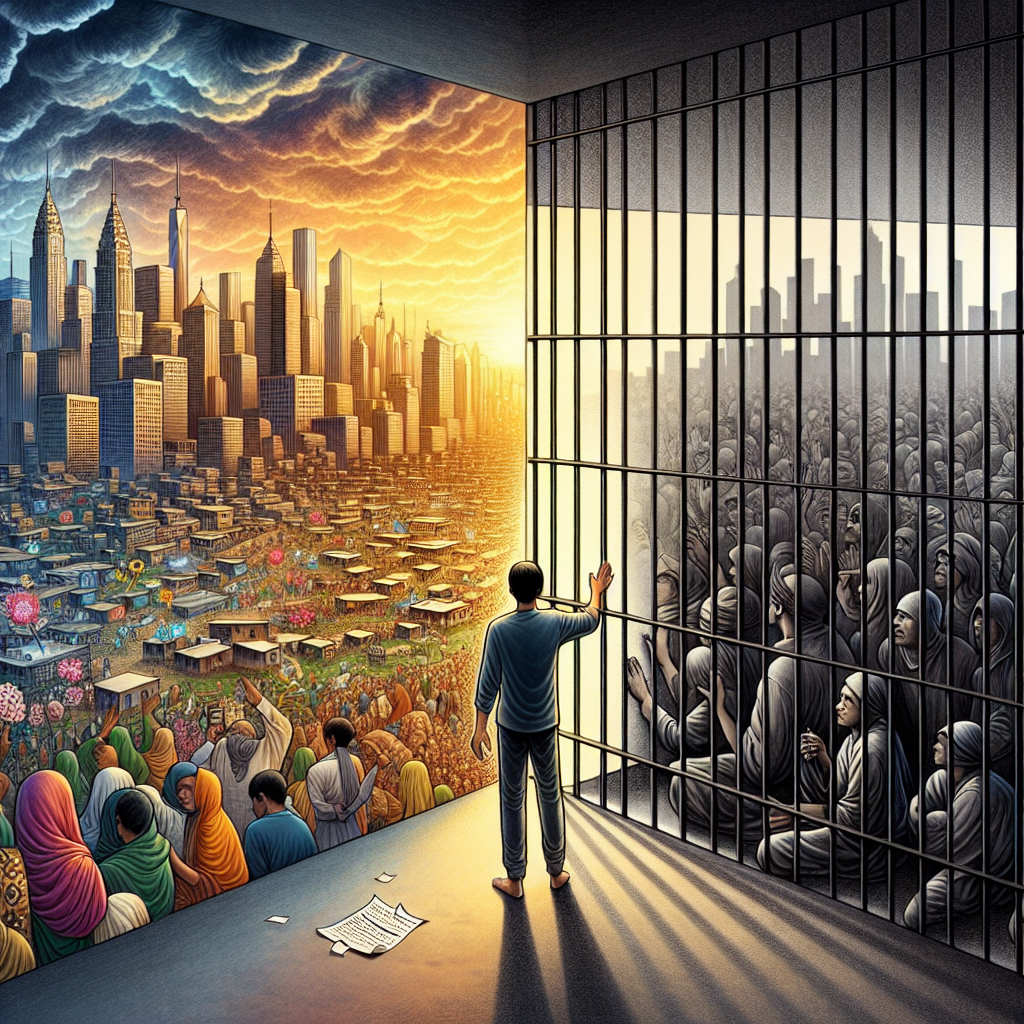
Bridging Cultural Gaps: Free World vs. Incarcerated Life
As the sun rises over the city skyline, thousands of people bustle about, heading to work, stopping for coffee, and planning their day. Meanwhile, in the confines of a prison, another group prepares for a very different routine. The contrast between these two worlds is stark, yet they are often more connected than we realize. The journey from the structured, restrictive environment of incarceration to the freedom and unpredictability of life outside can be daunting. But what if we could better understand these differences and help bridge the gap for those seeking a second chance?
The transition from prison life to the free world isn’t just a change of scenery; it’s a complete cultural shift. Inside the prison walls, life is governed by strict schedules and limited choices. Every moment is accounted for, and the opportunities to exercise personal agency are minimal. Outside, the world is a place where decisions abound, offering both exciting opportunities and overwhelming possibilities. For many formerly incarcerated individuals, this shift can feel like being thrown into a foreign country without a map.
Consider the challenge of finding employment after incarceration. In the structured life within prison, work assignments might be assigned based on necessity rather than skill or interest. In contrast, job hunting in the free world requires persistence, self-promotion, and an understanding of a competitive job market. This disparity often leaves former inmates feeling unprepared and disheartened. Yet, according to a study by the RAND Corporation, people who participate in educational programs while incarcerated have a 13% higher chance of gaining employment post-release. Education and skill-building inside the prison can serve as a crucial bridge to outside employment, but society must also embrace second-chance hiring to unlock the potential of these individuals.
Reentry after prison also involves reestablishing personal relationships. Inside, interactions are limited and often strained by the circumstances of incarceration. Rebuilding family ties and friendships outside requires patience, understanding, and support from both sides. The stigma of incarceration can weigh heavily, making it difficult for former inmates to feel accepted in their communities. Initiatives like mentorship programs and community support networks can play a pivotal role in fostering inclusive environments that welcome returning citizens.
Let’s not forget the emotional and mental hurdles that accompany this transition. Incarceration often leads to isolation, and stepping back into a world bustling with social interactions can be intimidating. Many individuals struggle with feelings of alienation and anxiety. Organizations that offer counseling and peer support can provide the necessary emotional scaffolding to help navigate these challenges.
Employers have a significant role to play in this narrative. By embracing second-chance hiring, businesses can tap into a pool of motivated, loyal, and skilled workers. The National Institute of Justice reports that employment is one of the most significant factors in reducing recidivism. When given the chance, many formerly incarcerated individuals excel, driven by a desire to prove themselves and rebuild their lives. Companies like Dave’s Killer Bread and Greyston Bakery have recognized this potential, implementing hiring practices that focus on skills and potential rather than past mistakes. These businesses are not just helping individuals; they are strengthening communities while fostering economic growth.
Cultural and lifestyle differences between the free world and incarcerated life are profound, but not insurmountable. Through empathy, support, and innovative solutions, we can bridge the gap, offering hope and new beginnings. It’s not just about giving a second chance; it’s about recognizing the innate potential in every individual and creating pathways for success.
So why not take the first step today? Connect with someone whose journey is different from your own. By becoming a pen pal through EliteInmates.com, you can offer hope and friendship to someone navigating the complexities of reentry after prison. Your support can make a world of difference, offering a lifeline of connection and understanding. Join us at EliteInmates.com and be part of a positive change, one conversation at a time.
Phone: (302) 201 - 0770
Address: 8 The Green #8840 Dover, DE 19901
info@eliteinmates.com
We write rarely, but only the best content.
