
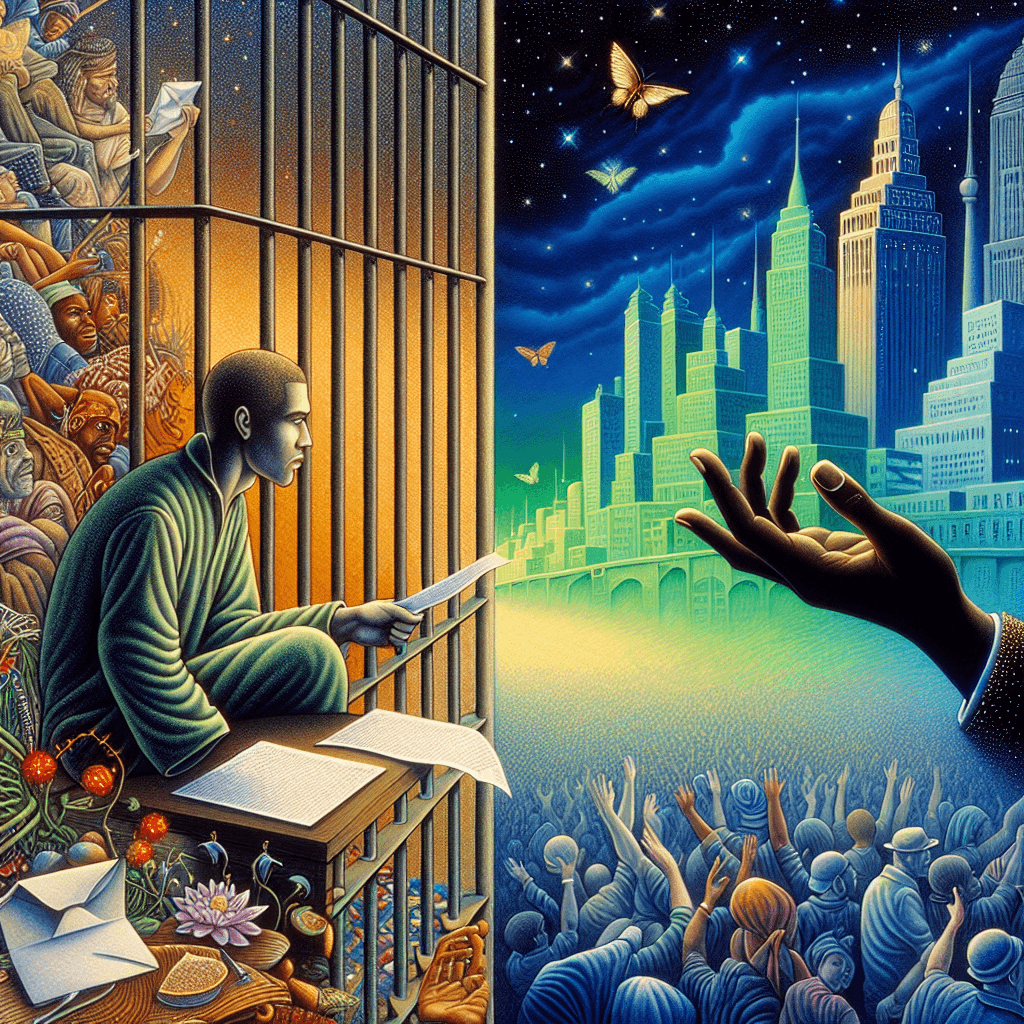
Bridging Cultural Gaps: Free World vs. Incarcerated Life
What if the world you knew, the rules you followed, and the very essence of your daily life changed in the blink of an eye? For many, this isn’t just a hypothetical scenario but a stark reality when transitioning from incarcerated life to the free world. The differences between these two worlds can be as vast as they are profound, often leaving individuals feeling like they’ve landed on a foreign planet upon reentry after prison.
Consider the simple act of buying groceries. In the free world, it’s a mundane task for most, but for someone recently stepping out of incarceration, the sheer variety of choices can be overwhelming. Budgeting, reading labels, and making nutritional choices are just a few elements of a trip that suddenly becomes a complex challenge. Such experiences highlight a cultural and lifestyle gap that isn’t merely about adjusting to freedom but about navigating a world that has moved on without them.
Employment after incarceration is another significant hurdle. The stigma surrounding a criminal record is a barrier that many formerly incarcerated individuals face, despite being ready and willing to contribute positively to society. This is where the concept of second chance hiring becomes critical. Employers who embrace this idea not only find dedicated and hardworking employees but also play a vital role in reducing recidivism. Data supports this, showing that stable employment significantly decreases the likelihood of returning to prison. Yet, the gap remains, driven by misconceptions and lack of awareness.
Incarcerated life often teaches resilience, discipline, and adaptability—skills that are invaluable in any workplace. For instance, someone who has honed their culinary skills in a prison kitchen can translate those abilities into a successful career in food service. However, these potential success stories hinge on opportunities and a shift in societal attitudes towards hiring individuals with a past.
Families and support networks also play an essential role in bridging this gap. They provide emotional support, guidance, and sometimes even the financial backing needed during this critical transition. Their understanding and encouragement can make all the difference, turning what feels like an uphill battle into a journey of hope and renewal.
Reentry services and advocacy groups are pillars in this process, offering resources like job training, legal assistance, and counseling. These organizations work tirelessly to ensure that reentry after prison is a path to rehabilitation and not just a revolving door back to incarceration. Yet, despite their efforts, gaps in understanding and acceptance still persist, underscoring the need for widespread community support and involvement.
The general public, too, has a part to play. By fostering empathy and making informed judgments, we can collectively create an environment where second chances are not just available but actively encouraged. Engaging with stories of resilience and transformation can shift perspectives, making it easier to see the human being behind the past mistakes.
In closing, the journey from incarceration to the free world is fraught with challenges, but it is also filled with opportunities for growth and redemption. At EliteInmates.com, you can take a significant step in bridging this gap by becoming a pen pal to someone who is incarcerated. This simple act of connection can bring hope, reduce loneliness, and support rehabilitation. So why not reach out today? Engage with an incarcerated individual’s story and help pave the way for a brighter future. Visit EliteInmates.com and discover the power of a supportive and understanding community.
Phone: (302) 201 - 0770
Address: 8 The Green #8840 Dover, DE 19901
info@eliteinmates.com
We write rarely, but only the best content.
