
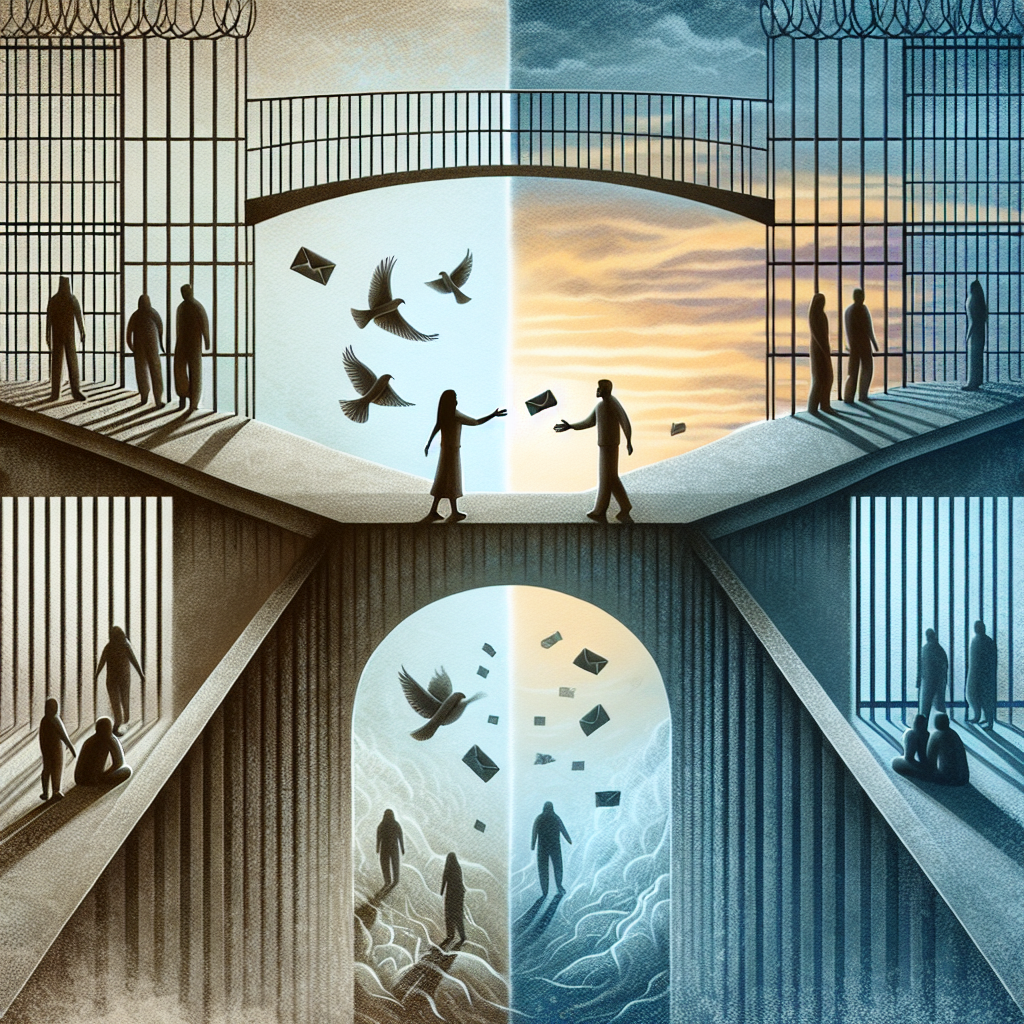
Bridging Cultural Gaps: Free World vs. Incarcerated Life
Life offers a myriad of paths, and sometimes, those paths diverge in unexpected ways. For individuals who have experienced life within the confines of prison, the journey to reintegrate into society presents unique challenges and opportunities. Have you ever stopped to consider what life after incarceration truly entails? It’s more than just reentry; it’s a complete cultural shift, akin to moving between two distinct worlds.
In the free world, the rhythm of life moves to the beat of individual freedoms and personal choice. It’s a place where decisions about daily routines, career paths, and personal relationships are largely self-determined. In contrast, incarcerated life is structured and regimented. Every aspect of daily living is controlled, from meal times to lights out. This stark difference can make the transition back into the community daunting for those who’ve spent years behind bars.
The barriers faced by formerly incarcerated individuals when seeking employment are a profound testament to these cultural and lifestyle disparities. For many, finding a job represents more than financial stability; it’s a crucial step towards reclaiming their place in society. Yet, the stigma attached to a criminal record can overshadow their skills and potential. According to a study by the National Institute of Justice, up to 60% of formerly incarcerated individuals remain unemployed a year after release. This isn’t just a statistic; it’s a call to action for a society that prides itself on second chances.
But why does this gap exist? Partly, it’s the lingering stigma and misconceptions about life after prison. Employers may fear workplace disruption or lack of cultural fit, not realizing that many former inmates possess skills honed through training programs and jobs within the prison system. These individuals have often developed resilience, problem-solving abilities, and a strong work ethic—qualities any employer would value.
Consider Sarah, who spent five years in prison for a non-violent crime. While incarcerated, she completed a vocational training program in electrical work. Upon release, Sarah eagerly applied for jobs, only to face repeated rejections. Her skills and determination were overshadowed by her past. Sarah’s story isn’t unique; it’s a reality for many who are ready to contribute positively to society but find doors closed due to outdated perceptions.
The concept of second chance hiring is a pivotal bridge in this discussion, offering a lifeline not only to those seeking employment after incarceration but to the communities that stand to benefit from their contributions. Businesses that embrace second chance hiring often report lower turnover rates and a dedicated workforce. It’s not just a compassionate choice—it’s a smart business decision. Companies are discovering that offering second chances leads to a more inclusive, diverse, and loyal workforce.
The transformation from incarcerated life to the free world isn’t a solitary journey. It requires collective effort and understanding. Families, advocacy groups, and reentry services play essential roles in supporting this transition. These networks provide the emotional and practical support needed to navigate the complexities of reintegrating into society.
For employers, cultivating an environment that supports second chance hiring can start with simple steps—educating HR teams about the benefits, creating mentorship programs, and establishing partnerships with organizations focused on reentry after prison. When businesses open their doors, they not only change lives but also strengthen their communities.
If you’re reading this and feeling inspired to make a difference, consider the impact of personal connection. A small gesture, such as becoming a pen pal, can offer hope and friendship to those currently incarcerated. By connecting with individuals through EliteInmates.com, you have the power to provide companionship and support their journey towards rehabilitation. Explore their stories, offer a listening ear, and become part of a community that believes in second chances. Your involvement could be the catalyst for change in someone’s life, bridging the gap between two worlds and fostering understanding and empathy. Join us at EliteInmates.com and take the first step towards making a meaningful impact today.
Phone: (302) 201 - 0770
Address: 8 The Green #8840 Dover, DE 19901
info@eliteinmates.com
We write rarely, but only the best content.
