
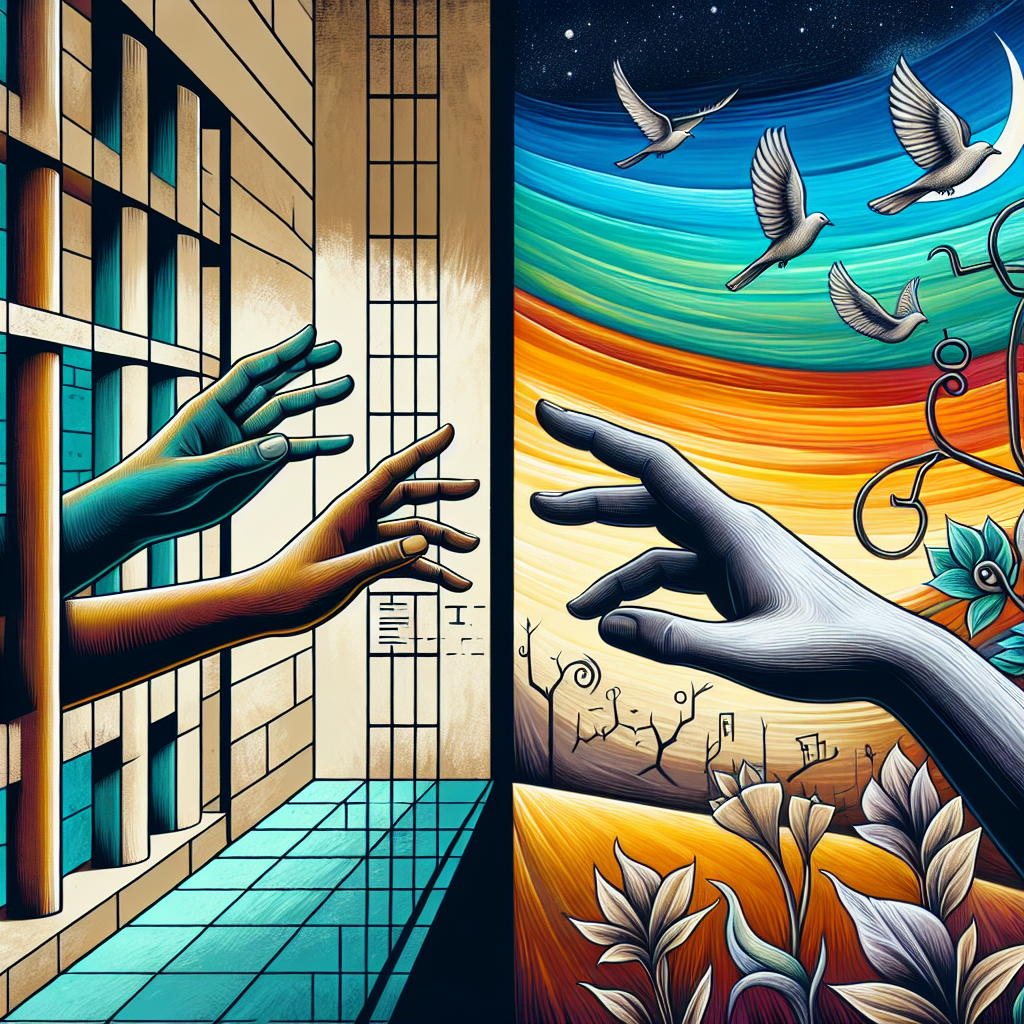
Bridging Cultural Gaps: Free World vs. Incarcerated Life
Have you ever paused to consider the stark contrast between life on the outside and life behind bars? It’s a subject that often goes unnoticed until it touches someone you know, or perhaps even you. The reality is that the journey from incarceration to reintegration into society is riddled with challenges. Yet, understanding these differences is key to fostering empathy and paving the way for meaningful second chances.
Life inside prison walls is a world unto itself, governed by its own set of rules and norms. For those on the outside, life is a tapestry of choices — from what to eat for breakfast to where to work or travel. Incarcerated individuals, however, live within a rigid structure where choices are limited and autonomy is scarce. This disparity is not just about physical confinement; it extends to cultural and social realms, creating a chasm that can be difficult to bridge once someone is released.
Reentry after prison is more than just stepping back into society; it’s about navigating a world that might have changed drastically during one’s time behind bars. Employment after incarceration is often cited as one of the most significant hurdles. The stigma associated with a criminal record can overshadow the skills and potential a person can bring to the workforce. Yet, it’s important to remember that many who have served time possess unique strengths, such as resilience and a renewed dedication to succeed.
Consider the story of Mark, who spent a decade in prison. Upon release, he faced the daunting task of rebuilding his life. Despite being skilled in carpentry, finding employment was a struggle. It wasn’t until an employer, aware of the importance of second chance hiring, took a chance on him that Mark’s life began to change. Today, Mark is not only employed but is a mentor to others, proving that with opportunity comes transformation.
The cultural differences between free world and incarcerated life also extend to social interactions and community connections. Inside prison, relationships are often dictated by survival and necessity. Building trust can be a challenge, given the environment. On the outside, the social fabric is more diverse and complex, which can be overwhelming for someone reentering the world.
However, bridging this gap isn’t just about understanding these differences; it’s about actively participating in solutions. Employers can play a pivotal role by embracing second chance hiring practices. Society benefits when individuals are empowered to contribute positively, reducing recidivism and fostering a safer community for all.
Families and support networks are invaluable during this transition. Their encouragement and belief in the potential for change can make all the difference. Advocacy groups, too, provide critical resources and guidance, helping formerly incarcerated individuals navigate the complex reentry process.
It’s essential for the general public to engage with these issues as well. Understanding the barriers faced by those reentering society can lead to more compassionate communities. This empathy can be cultivated by listening to personal stories, supporting businesses that hire formerly incarcerated individuals, and advocating for policies that promote reintegration.
As we consider the cultural and lifestyle differences between free world and incarcerated life, it’s clear that our collective efforts can bridge this divide. It’s about recognizing the humanity in everyone and offering a hand of support, understanding, and opportunity.
So, why not take the first step today? By reaching out and becoming a pen pal through EliteInmates.com, you can offer hope and friendship to someone navigating this challenging transition. Your connection can help reduce loneliness and support rehabilitation, making a meaningful impact on both their life and yours. Join us at EliteInmates.com and be part of this compassionate journey.
Phone: (302) 201 - 0770
Address: 8 The Green #8840 Dover, DE 19901
info@eliteinmates.com
We write rarely, but only the best content.
