
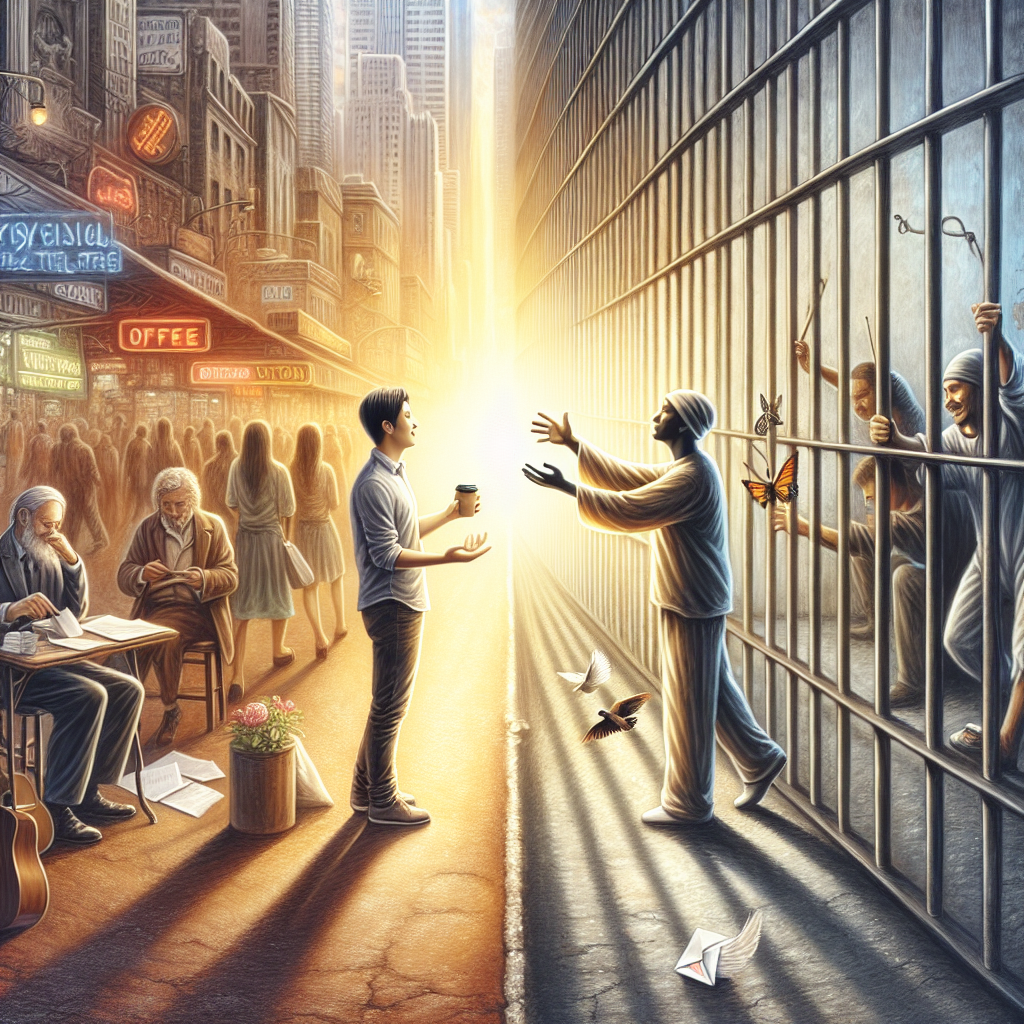
Bridging Cultural Gaps: Free World vs. Incarcerated Life
Picture this: You’re walking down the street, enjoying the sun on your face, a cup of coffee in hand, and the music of a nearby street performer filling the air. It’s the kind of simple pleasure many of us take for granted. But imagine for a moment that this freedom, this everyday experience, has been out of reach for years. Suddenly, the world feels larger, louder, more complex than the one you left behind. For those reentering society after incarceration, this is a reality they face—a stark contrast between life behind bars and the free world.
The transition from incarcerated life to freedom can be daunting, filled with both hope and hurdles. Imagine stepping out into a society that has evolved while you were away. Technology has advanced, cultural norms have shifted, and even the basic act of socializing can feel intimidating. It’s not just about catching up with the world but also about redefining one’s place within it.
One of the most significant challenges faced by individuals reentering society is securing employment after incarceration. The gap in employment history, coupled with the stigma of having a criminal record, can cast a long shadow over job prospects. Yet, this is where the concept of second chance hiring shines brightly. Employers are beginning to recognize the untapped potential in those who have served time and are willing to offer opportunities. Companies like Butterball and Dave’s Killer Bread have seen success by embracing second-chance hiring practices, finding dedicated and loyal employees in the process.
Reentry after prison is not solely about finding a job; it’s about rebuilding a life. The cultural and lifestyle differences between prison and the outside world can make this incredibly complex. Inside, routines are rigid and decisions are limited. Outside, the sheer volume of choices can be overwhelming. It’s like switching from a monochrome world to one bursting with color—beautiful, but hard to process all at once.
For families and support networks, understanding these cultural shifts is crucial. Patience and empathy are key. A simple trip to the grocery store can be a sensory overload for someone who hasn’t been in one for years. Recognizing these challenges allows families to better support their loved ones and help them navigate their new reality.
Community support plays an indispensable role as well. Organizations dedicated to reentry services provide essential resources and guidance. They offer training programs and mentorship that are vital for integrating back into society. Governments and advocacy groups are also realizing the importance of criminal justice reform, promoting policies that reduce recidivism and support reintegration.
For the general public, fostering empathy can be as simple as listening to the stories of those who have been impacted by the justice system. It’s easy to cast judgments from a distance, but when we take the time to understand the barriers faced by formerly incarcerated individuals, we begin to see them not just as ex-offenders but as people eager for a fresh start.
At EliteInmates.com, we believe in the power of connection and the impact of second chances. Building a bridge between the free world and incarcerated life starts with understanding and compassion. By becoming a pen pal, you not only offer friendship and support to an incarcerated individual but also play a part in their journey toward rehabilitation and hope. Join us in making a meaningful difference. Visit EliteInmates.com today and take the first step in bridging this gap. You have the power to change lives—one letter at a time.
Phone: (302) 201 - 0770
Address: 8 The Green #8840 Dover, DE 19901
info@eliteinmates.com
We write rarely, but only the best content.
