
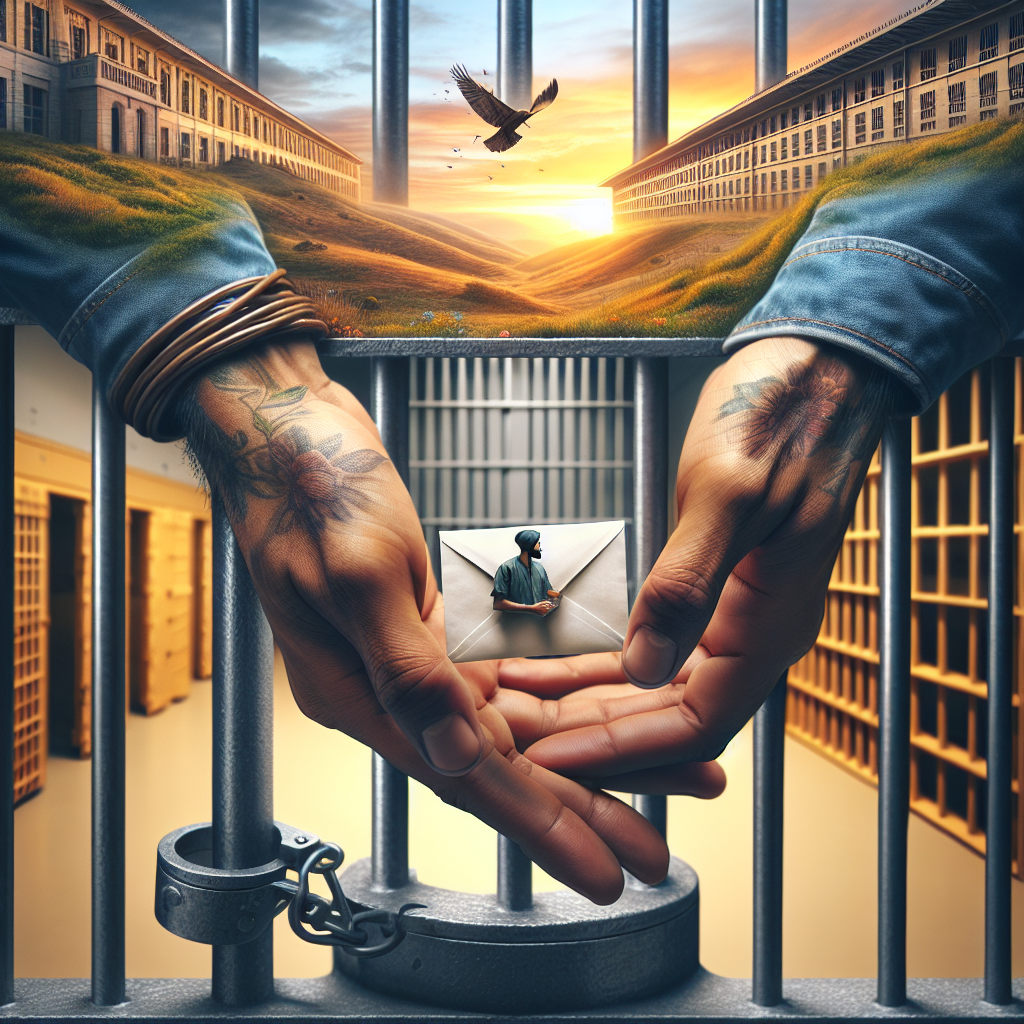
Bridging Cultural Gaps: Free World vs. Incarcerated Life
Have you ever stopped to think about how a single decision can change the course of your life? For many who have experienced incarceration, this is a daily reality. The journey from prison back into society is filled with challenges and, importantly, opportunities for growth and change. Understanding the cultural and lifestyle differences between the free world and incarcerated life is critical not just for those making this transition, but for us all as a community seeking to support them.
During incarceration, life is governed by rules and routines that are starkly different from those of the outside world. In prison, every aspect of daily life is controlled — from what you eat to when you sleep. Privacy is virtually nonexistent, and personal freedom is restricted. Such an environment shapes behavior and mentality, often creating an invisible barrier between those inside and the free world outside.
Exiting this structured environment can be disorienting. Imagine stepping into a fast-paced world where technology has leaped forward, job markets have shifted, and social dynamics have evolved. This is the reality for many individuals looking to reintegrate into society. The statistics are telling: according to the Bureau of Justice Statistics, within three years of release, about two-thirds (67.8%) of released prisoners are rearrested. This cycle isn’t just about crime; it’s a reflection of the systemic barriers faced by those trying to rebuild their lives.
One of the most significant hurdles is employment after incarceration. For many, securing a job is more than an economic necessity; it’s a lifeline to stability and self-worth. Yet, the stigma of a criminal record can overshadow skills, potential, and the desire to contribute positively. Employers often hesitate to hire formerly incarcerated individuals, not because they lack talent or drive, but due to preconceived notions and risk aversion.
This is where the concept of “second chance hiring” becomes vital. Businesses that embrace this approach not only find loyal and motivated employees but also become catalysts for community transformation. Companies like Greyston Bakery and Dave’s Killer Bread Foundation are leading by example, demonstrating that when given a chance, individuals with past convictions can excel and thrive, contributing significantly to the organization’s growth.
Success stories abound, like that of James, who, after serving time, found employment through a second-chance program. With support and mentorship, he climbed the ranks in his company, ultimately becoming a manager. Stories like James’ remind us that the potential within each person is not defined by their past but by the opportunities they are given to shape their future.
Reentry after prison isn’t just about finding a job; it’s about rebuilding one’s identity and sense of belonging in society. Support systems, including family, community networks, and advocacy groups, play a crucial role in this journey. For families, understanding the changes their loved ones have undergone is essential to providing the empathy and support needed for successful reintegration.
The broader community, too, holds the power to bridge this gap in understanding. Change begins with empathy and the willingness to see beyond the label of “formerly incarcerated.” It’s about recognizing shared humanity and the potential for growth, change, and contribution.
So, what can you do? Start by becoming more informed and engaged. Consider connecting with individuals who are navigating life after prison. At EliteInmates.com, you have the chance to make a meaningful impact by becoming a pen pal with someone currently incarcerated. Your friendship can offer hope, reduce loneliness, and support their rehabilitation journey. Why not take the first step today? Reach out, learn about an incarcerated individual’s life story, and become a part of their support network. You have the power to help bridge the gap between incarceration and the free world, fostering understanding and compassion. Join us at EliteInmates.com and be the change.
Phone: (302) 201 - 0770
Address: 8 The Green #8840 Dover, DE 19901
info@eliteinmates.com
We write rarely, but only the best content.
