
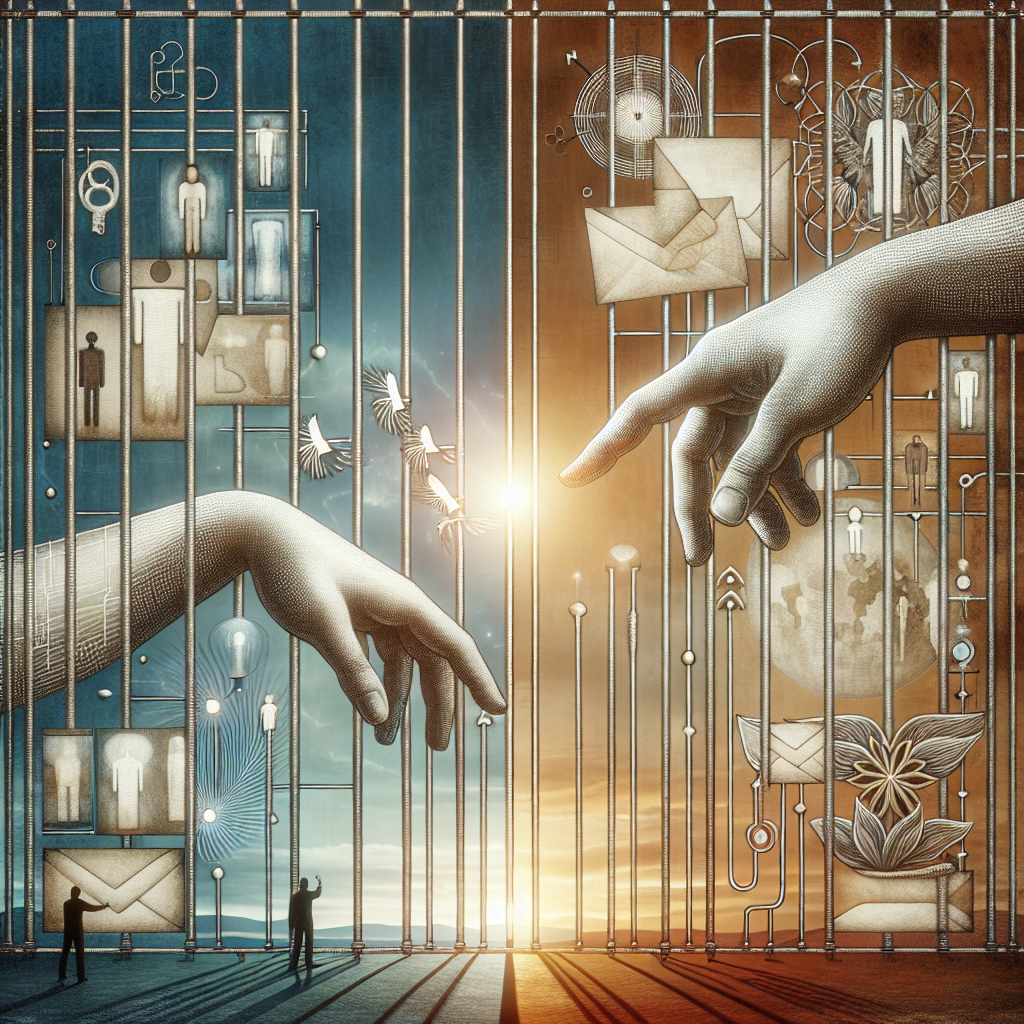
Bridging Cultural Gaps: Free World vs. Incarceration
What does it mean to transition from the silence of a cell to the hustle and bustle of a new world? For those who have been incarcerated, the journey to reentry is often marked by more than just a shift in scenery. It’s a profound shift in culture and lifestyle, a challenge that many of us might not think about until we’re faced with it. But understanding these differences can bridge gaps and create a more supportive society for all.
Consider this: after spending years in a structured, controlled environment, how do you suddenly navigate the complexities of freedom? Daily life outside prison walls can seem like an intricate dance of social norms and unspoken rules. For individuals reentering the free world, learning this dance is crucial for rebuilding their lives. They must adapt to new technologies, social interactions, and the freedom to make a myriad of decisions they haven’t had to make in years.
One of the most significant hurdles is employment after incarceration. The free world places a considerable emphasis on resumes, interviews, and LinkedIn profiles. Yet, for someone with a criminal record, every job application can feel like an uphill battle. The stigma attached to past mistakes often leads to closed doors, despite the skills and determination they’ve acquired. This is where the concept of second chance hiring becomes a beacon of hope. Employers who embrace this approach recognize the untapped potential of these individuals, offering them not just jobs, but dignity and purpose.
Let’s delve into a real-world example: a company that actively practices second chance hiring recently shared their remarkable success story. They hired a former inmate who had spent years honing his skills in woodworking through a prison vocational program. Not only did he excel, but his work ethic and unique perspective enriched the company culture and inspired his colleagues. Stories like this illuminate the transformative power of giving someone a chance to prove themselves.
Reentry after prison also involves navigating societal perceptions. The cultural shift from being an “inmate” to a “community member” is substantial. Many former inmates find solace and support through advocacy groups and reentry services that offer counseling, job training, and mentorship. These resources are invaluable, providing guidance and fostering a sense of community that is vital for successful reintegration.
Another aspect that’s often overlooked is the importance of rebuilding personal relationships. Families and friends play a crucial role in providing emotional support, helping individuals adjust to life after prison. Yet, this process is not without its challenges. Trust must be rebuilt, and new dynamics must be established. Open communication and understanding are key to healing these relationships and moving forward together.
For employers, hiring someone with a criminal record might feel like a risk, but the potential rewards are significant. Many who have been incarcerated bring resilience, creativity, and a fresh perspective to the table. By understanding and addressing the cultural and lifestyle differences they face, employers can foster inclusive workplaces that benefit from diverse experiences.
So, how can we, as a society, bridge the gap between life inside and outside prison walls? It starts with empathy, understanding, and action. We must recognize the challenges of reentry and support initiatives that promote second chances. By doing so, we empower individuals to transform their lives and contribute positively to our communities.
If you feel inspired to make a personal connection and impact, consider visiting EliteInmates.com. Becoming a pen pal to someone incarcerated can open doors to friendship and understanding, offering hope and companionship to those who need it most. Your engagement can be a powerful step towards bridging cultural and lifestyle divides, fostering empathy, and supporting rehabilitation. Join us at EliteInmates.com and become part of a movement that believes in the power of second chances and human connection.
Phone: (302) 201 - 0770
Address: 8 The Green #8840 Dover, DE 19901
info@eliteinmates.com
We write rarely, but only the best content.
