
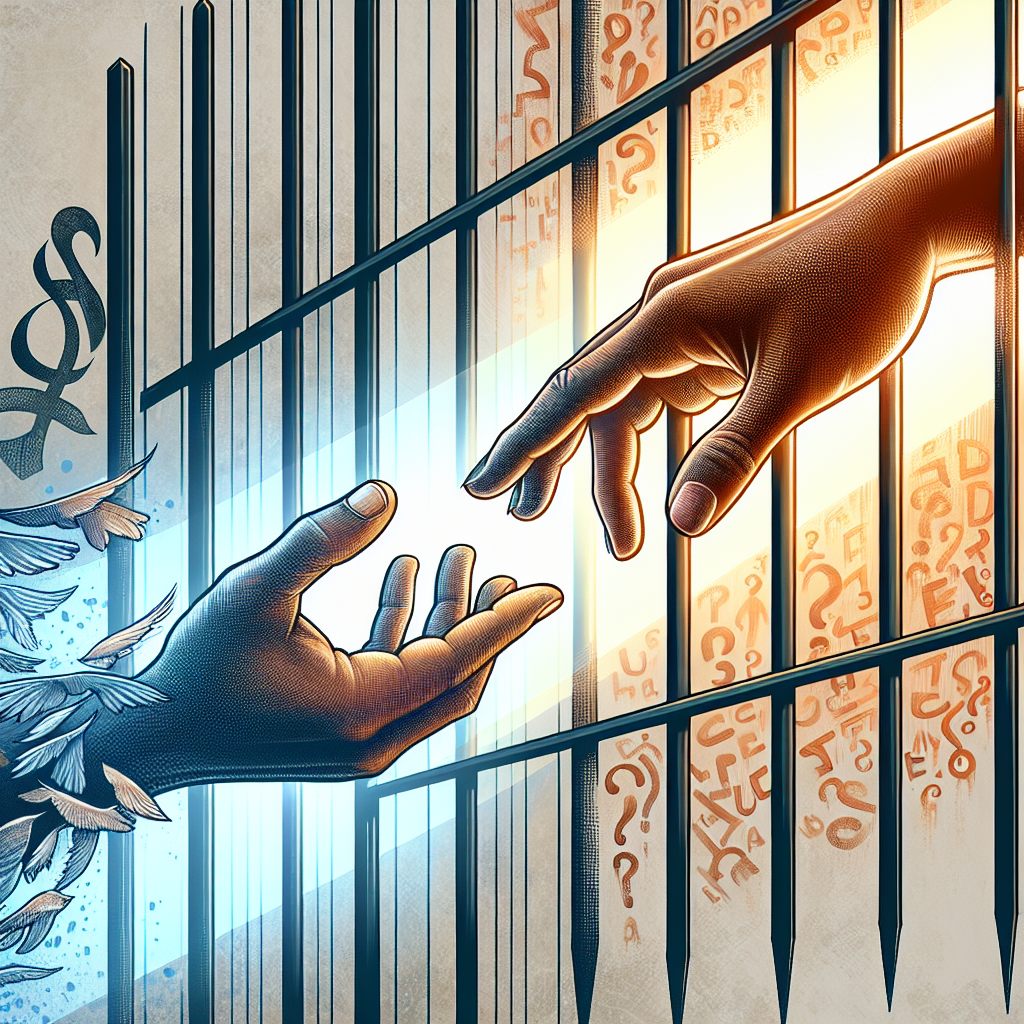
Bridging Cultural Gaps: Life Inside vs. Free World
If you’ve ever stood at a crossroads, you know the feeling of uncertainty that can accompany stepping into the unknown. Now, imagine the crossroads is between a life behind bars and the world outside—a daunting transition that many formerly incarcerated individuals face every day. For those of us who have never experienced incarceration, it can be hard to grasp the cultural and lifestyle differences that make reentry into society such a formidable challenge. Yet, understanding this gap is crucial, not just for those reentering society, but for all of us who share a role in fostering second chances.
Consider this: in the United States, approximately 600,000 individuals are released from state and federal prisons each year. That’s hundreds of thousands of stories of resilience and hope, and hundreds of thousands of new beginnings that deserve support and understanding. Yet, the challenges they face in securing employment after incarceration often seem insurmountable. Many employers remain hesitant to offer second-chance hiring, largely due to misconceptions and a lack of understanding about life after prison.
For those reentering society, the cultural shift is profound. Incarcerated life is structured and regimented, with every aspect, from meals to movement, controlled. This environment contrasts sharply with the freedom and chaos of the outside world, where choices abound and personal responsibility is paramount. Individuals transitioning from this rigid structure to autonomy can feel overwhelmed by the sheer volume of decisions they must make daily—decisions that many of us might take for granted, like choosing what to eat or wear.
Moreover, the stigma associated with incarceration often shadows these individuals, complicating their ability to secure stable employment. Even with skills gained through programs while incarcerated, such as vocational training or educational courses, the label of a criminal record can overshadow accomplishments. Yet, it’s crucial to recognize that many former inmates emerge with a renewed sense of purpose and a drive to contribute positively to society. They bring with them unique perspectives and resilience that can be incredibly valuable in the workplace.
Employers who embrace second-chance hiring can play a significant role in bridging the gap between incarceration and freedom. By recognizing the potential of individuals with criminal records, they not only fill vital roles within their companies but also contribute to reducing recidivism rates. Statistics show that when people find stable employment after prison, their likelihood of reoffending drops significantly. Companies like Elite Inmates have recognized this potential, highlighting the importance of creating pathways for these individuals to reintegrate successfully.
There are already inspiring success stories. Take John, a former inmate who, through a second-chance hiring program, found work as a skilled tradesman. His employer, initially hesitant, now champions John’s work ethic and dedication, noting that his unique life experiences have brought valuable insights to the company. Stories like John’s are a testament to the power of opportunity and understanding in transforming lives.
For family members and support networks, understanding the cultural and lifestyle differences between life inside and outside prison is equally vital. They are often the first line of support, providing encouragement and stability as their loved ones navigate this transition. By fostering open communication and empathy, these support networks can help alleviate the isolation and anxiety that can accompany reentry.
Ultimately, bridging the gap between incarcerated life and the free world requires a collective effort from all of us. It is about fostering a culture of compassion and understanding, where second chances are not just a possibility but a promise.
So why not take the first step today? Engage with someone whose life story has been shaped by incarceration and offer a hand of friendship. At EliteInmates.com, you have the opportunity to become a pen pal, providing hope and connection to those who need it most. Your involvement can be a beacon of light, reminding them—and us all—that everyone deserves the chance to rewrite their story. Join us at EliteInmates.com and make a difference, one letter at a time.
Phone: (302) 201 - 0770
Address: 8 The Green #8840 Dover, DE 19901
info@eliteinmates.com
We write rarely, but only the best content.
