
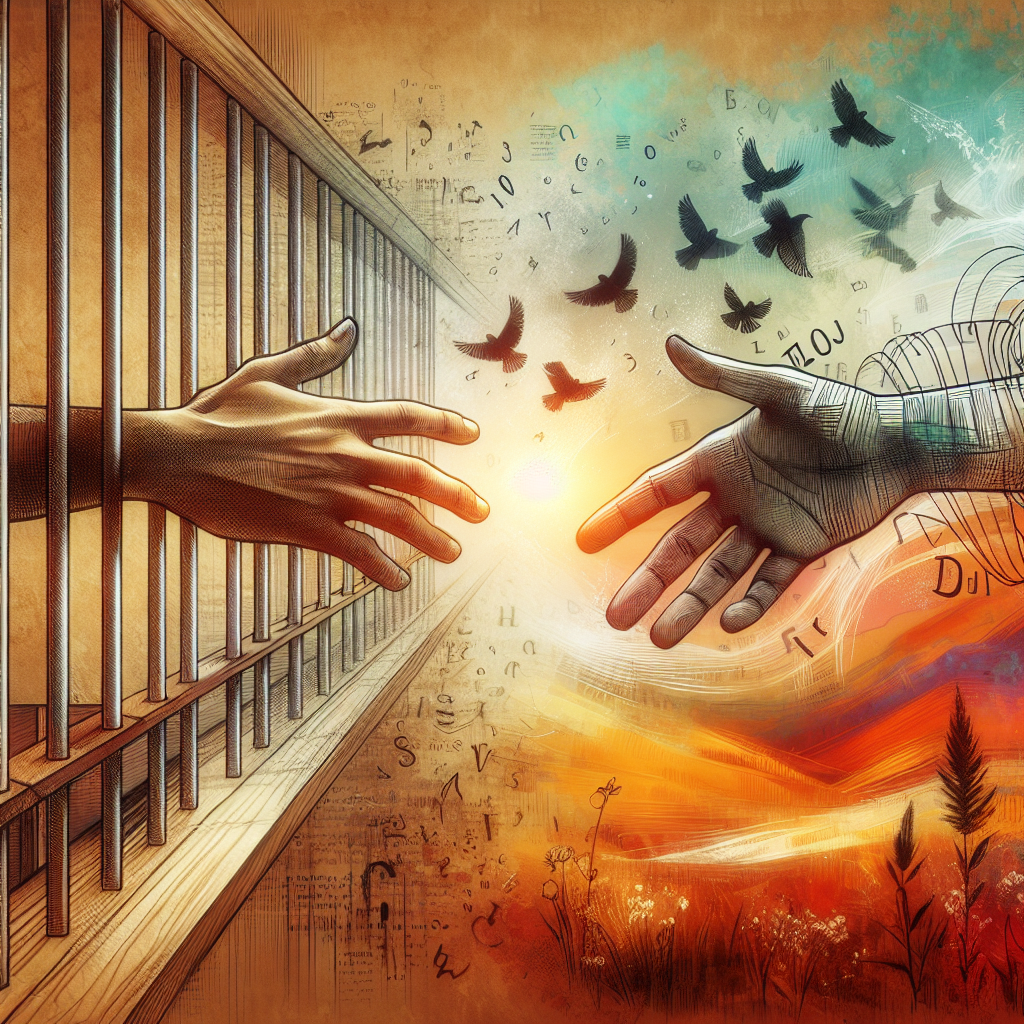
Bridging Free World & Incarcerated Life: Key Differences
For many of us, the transition from night to day is seamless—just another part of the routine. But for those stepping back into the world after years behind bars, it can feel like waking up in a whole new universe. What does it mean to navigate the cultural and lifestyle differences between life in the free world and the confines of incarceration? The journey is both challenging and transformative, filled with barriers but also brimming with opportunities for growth and connection.
Imagine a place where every aspect of your day is dictated by rules, where personal choices are limited, and freedom is a distant memory. For those re-entering society after incarceration, adapting to a world where decisions are once again theirs to make can be overwhelming. The cultural shift from structured prison life to the freedom of the outside world involves a steep learning curve. This transition is more than just physical; it’s an emotional and psychological journey that requires resilience and support.
One of the most significant hurdles faced by formerly incarcerated individuals is employment. Life after prison often starts with the daunting task of finding a job—a key component in rebuilding life and integrating back into society. However, this is easier said than done. The stigma surrounding a criminal record can overshadow an individual’s potential, making second chance hiring an essential yet underutilized opportunity. Employers who embrace this initiative not only contribute to reducing recidivism but also gain dedicated and grateful employees who bring unique skills and perspectives to the workforce.
Take, for example, the story of Jake, who, after serving ten years, struggled to find employment. He faced countless rejections, each one a painful reminder of his past. But through a second-chance hiring program, Jake not only secured a job at a local manufacturing company but also found a sense of purpose and community. His story is one of many that highlight the transformative power of employment after incarceration—not just for the individual but for society at large.
The barriers to reentry after prison extend beyond employment. Housing, education, and social reintegration pose additional challenges. However, support networks, both formal and informal, play a crucial role in bridging these gaps. Family, friends, and organizations dedicated to reentry services provide the scaffolding for a fresh start. They offer more than just practical assistance; they provide hope and encouragement, reminding individuals that they are more than their past mistakes.
The general public, too, has a role to play. By fostering empathy and understanding, we can build a more inclusive society that values second chances. Engaging with stories of those who have been incarcerated helps dismantle stereotypes and promotes a culture of compassion and acceptance. It’s about seeing the person, not just the criminal record.
As we explore ways to create a more equitable world, it’s crucial to recognize the successes and progress made through second-chance hiring and support systems. These stories serve as beacons of hope, illustrating that change is possible and that everyone deserves the opportunity to write a new chapter.
So, how can you contribute to this narrative of hope and transformation? Consider reaching out to someone who has experienced incarceration. At EliteInmates.com, you have the chance to become a pen pal to an incarcerated individual, offering friendship and connection that can truly change lives. By learning about their experiences and sharing your own, you provide a lifeline of support and understanding. Together, we can bridge the gap between two worlds, fostering empathy and creating meaningful bonds. Join us at EliteInmates.com and be part of a movement that champions second chances and human connection.
Phone: (302) 201 - 0770
Address: 8 The Green #8840 Dover, DE 19901
info@eliteinmates.com
We write rarely, but only the best content.
