
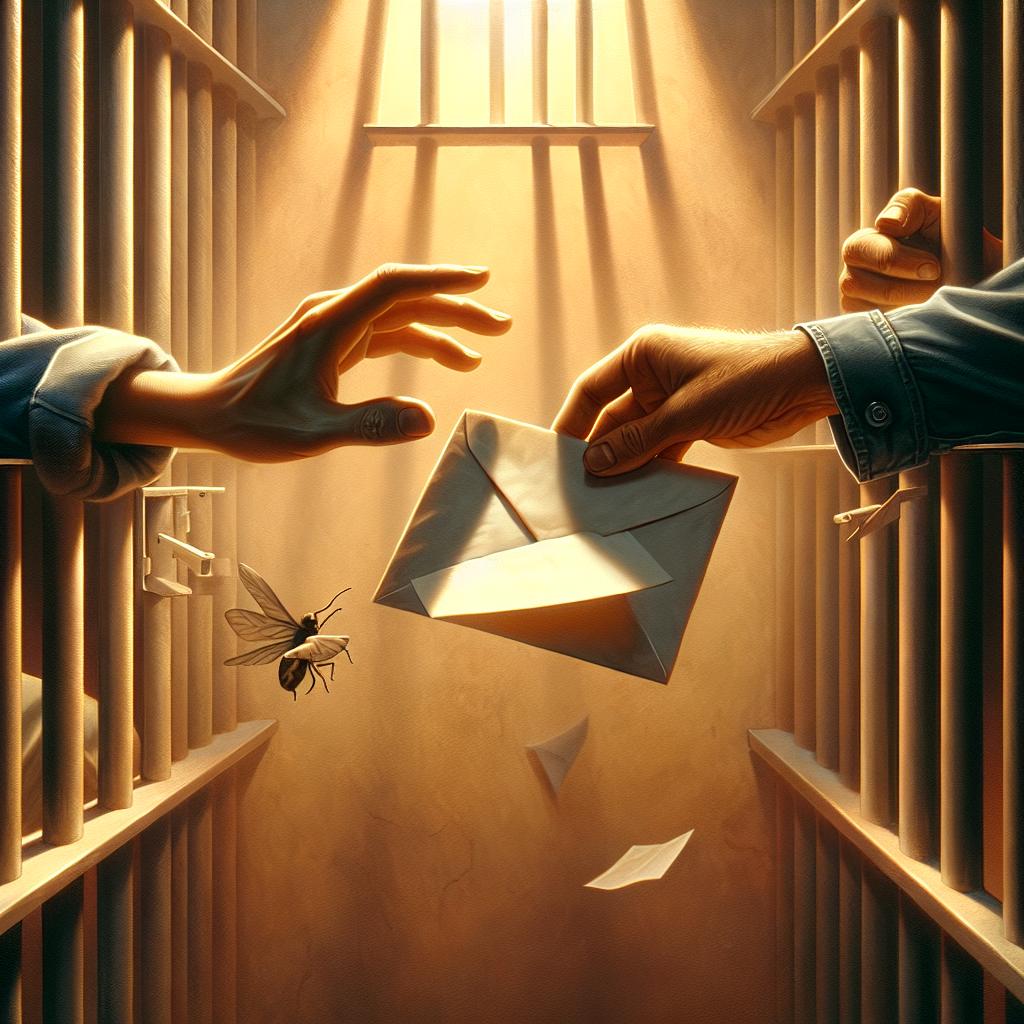
Corresponding with Inmates: Rules & Mail Delays
When was the last time you received a handwritten letter? In a world dominated by instant messaging and social media, the simple act of writing and receiving a letter has become a rare and cherished experience. But for those corresponding with an inmate, this old-fashioned practice is a lifeline—a vital connection that transcends prison walls, offering hope, support, and a sense of belonging.
Communicating with someone in prison, however, involves navigating a unique set of rules and challenges. Understanding these can make the experience smoother and more rewarding for both you and your incarcerated loved one. Let’s explore what you can expect and how you can create meaningful connections.
First, it’s essential to know that every correctional facility has its own set of guidelines for inmate correspondence. These rules are in place to ensure safety and security, both inside the facility and for the public. Before you start writing, check the specific guidelines of the facility where the inmate is housed. This might include restrictions on the types of paper and writing materials you can use, the number of pages allowed, or specific mailing procedures. Some facilities even have limits on the number of letters an inmate can receive weekly.
In addition to these rules, be prepared for mail delays. Unlike the instant communication we’re used to, letters to and from inmates can take significantly longer to arrive. Delays might be due to the facility’s mail processing times, security checks, or simply the nature of postal services. It may take days or even weeks for a letter to reach its destination. Remember, patience is key. The anticipation can make the eventual arrival of a letter even more poignant and appreciated.
Another crucial aspect of corresponding with inmates involves understanding the emotional impact of your communication. Life after prison can be daunting, and maintaining ties to the outside world is vital for those looking toward reentry after prison. Your words can provide comfort, encouragement, and motivation, helping inmates focus on rehabilitation and envision a brighter future. Whether you’re sharing updates about life outside, discussing hopes and dreams, or simply lending a listening ear, your letters can play a significant role in their journey toward positive change.
Prison policies often extend beyond just mail regulations. Some facilities offer electronic messaging systems, phone calls, or occasional visitation options. Exploring these additional communication methods can enhance your connection and provide more immediate support and reassurance. Don’t forget to inquire about these options and understand any associated costs or procedures.
Moreover, it’s important to approach these interactions with empathy and openness. Many people face barriers when seeking employment after incarceration, and forming supportive relationships during their sentence can be instrumental in preparing them for life after prison. Second-chance hiring is a growing movement, recognizing the potential and skills of those who have served their time. By reaching out, you’re not just offering friendship; you’re investing in someone’s potential for a successful reentry, contributing to a more inclusive and compassionate society.
The connections you make through letters can be transformative, not just for the inmate but for you as well. Hearing about their experiences provides unique insights into the challenges of reentry after prison, fostering a deeper understanding of the need for second-chance opportunities. Stories of success are often born from these simple exchanges, highlighting the power of human connection and the resilience of the human spirit.
So why not take the first step today? By becoming a pen pal, you can make a meaningful impact. Visit EliteInmates.com to learn more about writing to an inmate. Your letter could be the beacon of hope and friendship that lights the way for someone navigating the path to rehabilitation and reintegration. Join us in this journey of connection and compassion—because everyone deserves a chance to write their next chapter.
Phone: (302) 201 - 0770
Address: 8 The Green #8840 Dover, DE 19901
info@eliteinmates.com
We write rarely, but only the best content.
