
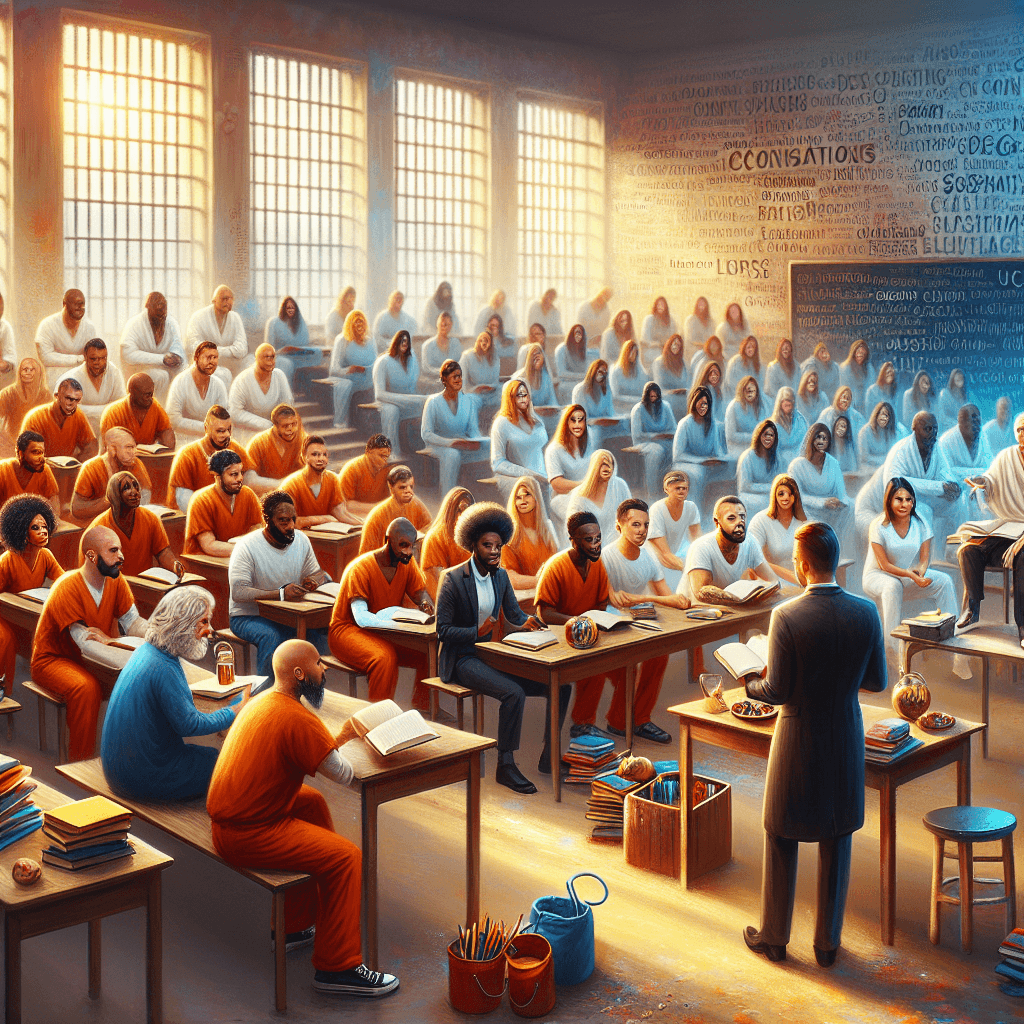
Educational Opportunities for Formerly Incarcerated
The path back to society after incarceration is often fraught with challenges, but it’s one that many navigate with resilience and hope. For those who have served time, education can be a powerful tool, opening doors to new opportunities and fostering a sense of purpose and belonging. But what does the journey toward educational empowerment look like for the formerly incarcerated, and why is it so critical?
Consider this: According to a study by the RAND Corporation, incarcerated individuals who participate in educational programs are 43% less likely to return to prison. This statistic speaks volumes about the transformative power of education. It’s not just about gaining knowledge; it’s about rebuilding one’s life, restoring confidence, and reshaping futures.
For many formerly incarcerated individuals, the road to education begins behind bars. Prisons across the country are increasingly offering educational programs, from basic literacy classes to college-level courses. These programs are a lifeline, providing a constructive way to pass time and a chance to dream of a different life post-release. Take, for example, the inspiring stories of individuals who have earned degrees while incarcerated, turning their lives around and becoming advocates for change.
Once out, the challenges shift. Access to education becomes a hurdle, with barriers such as financial constraints, stigma, and the practical demands of life after incarceration, like finding employment and stable housing. Yet, many institutions are recognizing the need to support second chances. Community colleges, in particular, have become gateways for formerly incarcerated individuals, offering affordable education and resources tailored to adult learners.
Organizations like the Prison to College Pipeline are also stepping up, providing mentorship and support to bridge the gap between incarceration and college. These initiatives demonstrate the power of community and the importance of a supportive network. For those reentering society, knowing there are people who believe in their potential can make all the difference.
However, the journey is not solely about education. It’s about integrating into a world that may feel foreign after years behind bars. This is where the concept of second-chance hiring comes into play. Employers who are willing to look beyond past mistakes and recognize the unique skills and perspectives that formerly incarcerated individuals bring to the table are not just offering jobs—they’re providing hope. They’re acknowledging that everyone deserves a chance to rebuild and contribute positively to society.
Employment after incarceration is more than a paycheck; it’s an opportunity for growth and redemption. Programs like Elite Inmates and others facilitate these transitions, offering resources and building bridges between those reentering society and potential employers. The narrative is shifting from one of exclusion to one of inclusion, empowering individuals to take charge of their futures.
For families and support networks, understanding the journey of reentry after prison is crucial. It’s about patience, encouragement, and celebrating every milestone, no matter how small. The journey is not easy, but with education, employment opportunities, and support, it is achievable.
In conclusion, education is not just an opportunity for the formerly incarcerated—it is a lifeline that enables a meaningful reentry into society. If you’re inspired to make a difference, consider exploring the stories of those still on this journey. Visit EliteInmates.com to become a pen pal. By offering friendship and understanding, you can help reduce loneliness and support rehabilitation. Every connection made can be a step toward hope and healing. Why not take that first step today and join us in creating meaningful change?
Phone: (302) 201 - 0770
Address: 8 The Green #8840 Dover, DE 19901
info@eliteinmates.com
We write rarely, but only the best content.
