
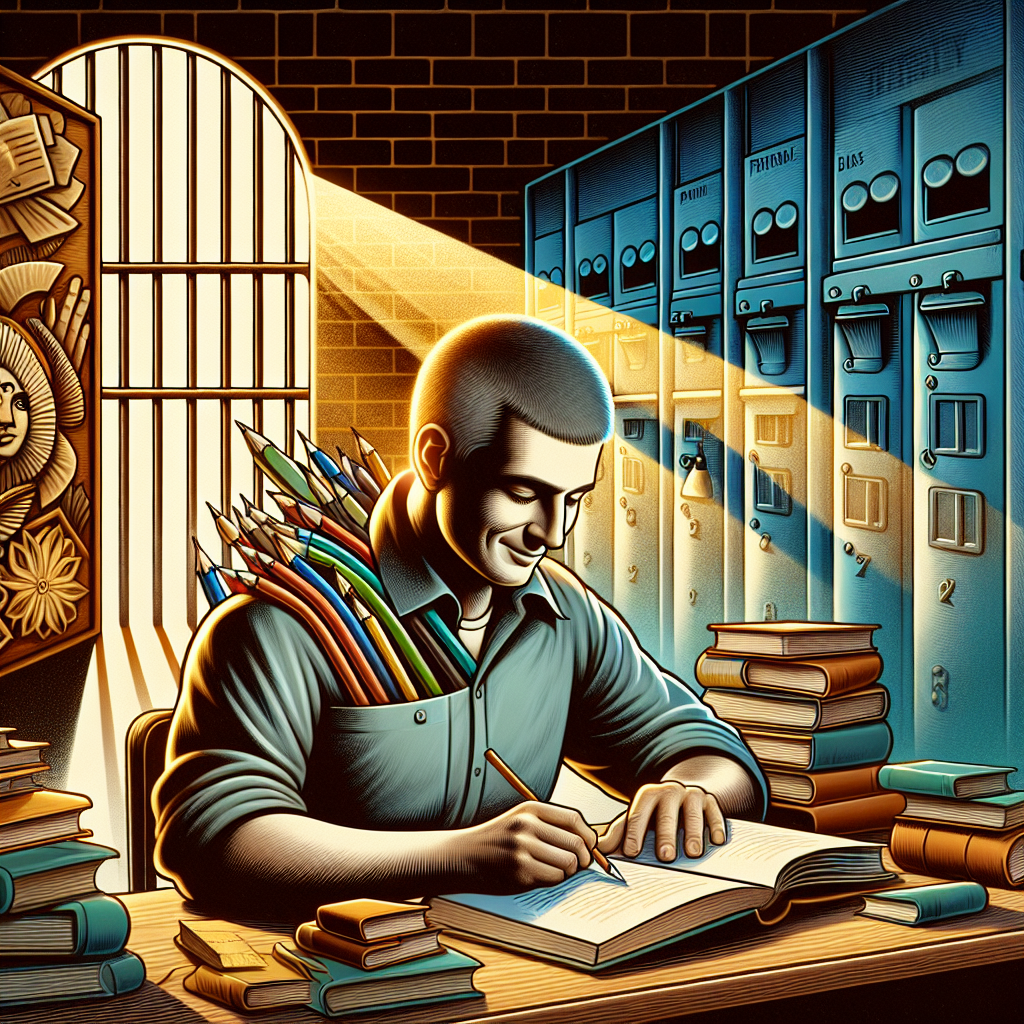
Educational Opportunities for the Formerly Incarcerated
When someone walks out of prison after serving their time, they often find themselves at a crossroads. The world outside has changed, and they are left to navigate a new reality filled with both opportunities and obstacles. Education is one of the most powerful tools available to help formerly incarcerated individuals rebuild their lives. It opens doors, fosters personal growth, and provides a path to sustainable employment. But what does that journey look like, and how can we, as a community, support it?
For many, the thought of pursuing education after incarceration may seem daunting. After all, the barriers are significant. Formerly incarcerated individuals often face stigma, financial constraints, and a lack of access to resources. Still, the importance of education in reentry after prison cannot be overstated. According to the RAND Corporation, incarcerated individuals who participated in educational programs had 43% lower odds of returning to prison than those who did not. This statistic alone highlights the transformative power of education in reducing recidivism and offering a true second chance.
Consider the story of Marcus, who, after serving a decade-long sentence, decided to pursue a college degree. Initially, he faced skepticism and doubt, both from others and himself. However, with determination and support from a local reentry program, Marcus enrolled in community college courses while working part-time. His journey wasn’t easy; he had to balance studies with work and adjust to a rapidly digitalizing world. But Marcus persevered. Upon graduating, he found a job as a technician and now mentors others who are walking a similar path.
Stories like Marcus’s illustrate that the pathway to success for formerly incarcerated individuals is often paved with education. Many programs are designed to provide that crucial support. Institutions like Bard College and Georgetown University have established in-prison education programs that continue to support students post-release. Moreover, online platforms and community colleges offer flexible learning opportunities that accommodate various schedules and learning paces, making them accessible to those reentering the workforce.
Yet, access to education is only part of the equation. The role of employers in second chance hiring is equally crucial. Companies like Dave’s Killer Bread and Slack have embraced this approach, recognizing the untapped potential of individuals who have been through the justice system. When employers offer jobs to those who have served their time and educated themselves, they not only help break the cycle of recidivism but also enrich their workforce with diverse experiences and perspectives.
For individuals like Marcus, the journey is not just about obtaining a degree or securing a job; it’s about reclaiming dignity and building a future. Education empowers formerly incarcerated individuals to contribute meaningfully to society, break free from the cycle of incarceration, and inspire others to do the same.
EliteInmates.com understands the profound impact that connection and community support can have during this transition. By becoming a pen pal, you offer more than just companionship; you provide a lifeline of hope and encouragement. Your letters can be a source of strength and motivation, helping someone like Marcus stay focused on their educational goals. Visit EliteInmates.com today and take the first step in making a significant difference in someone’s life. Your friendship could be the key to their brighter future.
Phone: (302) 201 - 0770
Address: 8 The Green #8840 Dover, DE 19901
info@eliteinmates.com
We write rarely, but only the best content.
