
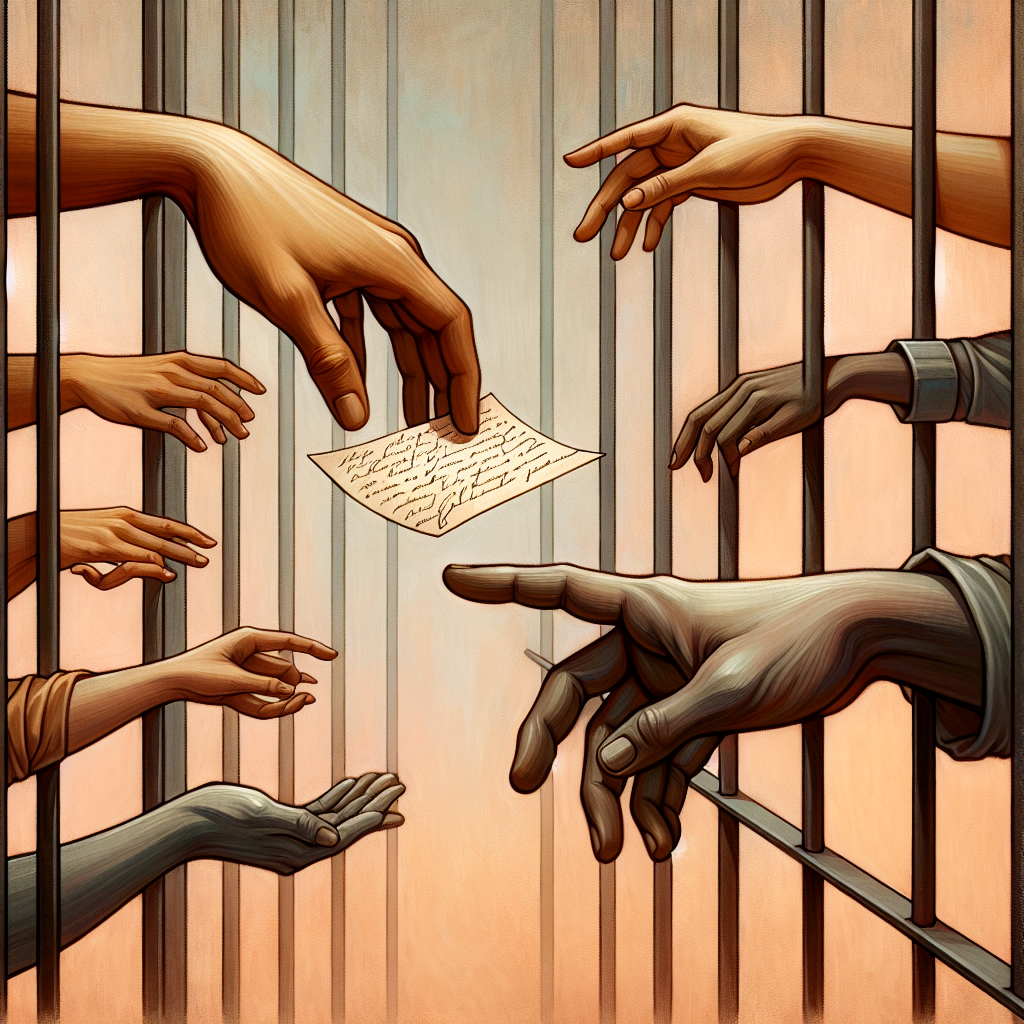
Emotional Journey of Prison Penpals: Navigate Attachment & Empathy
Have you ever received a letter that changed your perspective or profoundly touched your heart? For those who become penpals with individuals in prison, this is not just a possibility but often a reality. Correspondence with someone on the inside can be a journey filled with emotional highs and lows, offering a window into lives that are often misunderstood or overlooked. Yet, it also presents unique challenges, including managing attachment, empathy, and the risk of compassion fatigue. Understanding these emotional dynamics is crucial for anyone considering or currently engaged in this rewarding but complex role of being a prison penpal.
For many incarcerated individuals, letters from the outside world are lifelines—threads of humanity that offer hope and connection. It’s not uncommon for penpals to form genuine, deep bonds, sometimes evolving into friendships that last beyond the confines of prison walls. These relationships remind us that everyone, regardless of their past, deserves compassion and a second chance. But as with any relationship, there can be challenges, particularly when navigating the emotional landscape of penpal friendships.
One of the initial hurdles is managing attachment. It’s easy to become emotionally invested in your penpal’s life, especially as you start to understand their struggles and dreams. However, it’s important to maintain a healthy balance. Being there for someone does not mean sacrificing your emotional well-being. Setting clear boundaries can help both parties understand the nature of your relationship and keep expectations realistic. Remember, the goal is to offer support and friendship, not to solve all their problems.
Empathy is another cornerstone of these relationships. It allows you to appreciate the life experiences that have shaped your penpal’s journey, fostering a deeper connection. However, it’s essential to recognize when empathy starts to verge into compassion fatigue. Constant exposure to someone else’s hardships, especially when coupled with a lack of tangible solutions, can lead to emotional exhaustion. If you find yourself feeling overwhelmed, take a step back. Engage in self-care practices and seek support from others who understand the unique challenges of being a prison penpal.
Yet, despite these challenges, the rewards of such an endeavor are profound. Take, for instance, the story of Alex and Jamie. Alex, a volunteer penpal, started writing to Jamie, an inmate serving a long sentence. What began as an exchange of letters soon blossomed into a mutual support system. Through their correspondence, Jamie found motivation to engage in rehabilitation programs, while Alex gained a newfound appreciation for resilience and the transformative power of human connection. This is just one example of how impactful these relationships can be on both sides.
Statistics reveal the broader impact of these connections. Studies have shown that incarcerated individuals who maintain contact with the outside world, whether through family, friends, or penpals, are more likely to successfully reintegrate into society after their release. Employment after incarceration becomes more attainable, and the cycle of reentry after prison is less daunting when they know they’re not alone. These relationships can lead to real change, not just for the individuals involved but for society as a whole, as they contribute to reduced recidivism rates and support second chance hiring initiatives.
So, how does one navigate the emotional labyrinth of being a prison penpal? Start by acknowledging your limits and recognizing when you need to recharge. Foster a supportive community with other penpals; sharing experiences can provide valuable insights and emotional support. Remember, your role is to be a beacon of hope and understanding, not a martyr.
In conclusion, the journey of being a prison penpal is one of compassion, personal growth, and mutual benefit. If you’re ready to make a meaningful impact, consider reaching out through EliteInmates.com. By becoming a penpal, you offer more than just letters; you provide hope, friendship, and a bridge to a brighter future. Together, we can support rehabilitation and remind those behind bars that they are not forgotten. Why not take the first step today? Your connection could be the catalyst for change, both for your penpal and for you.
Phone: (302) 201 - 0770
Address: 8 The Green #8840 Dover, DE 19901
info@eliteinmates.com
We write rarely, but only the best content.
