
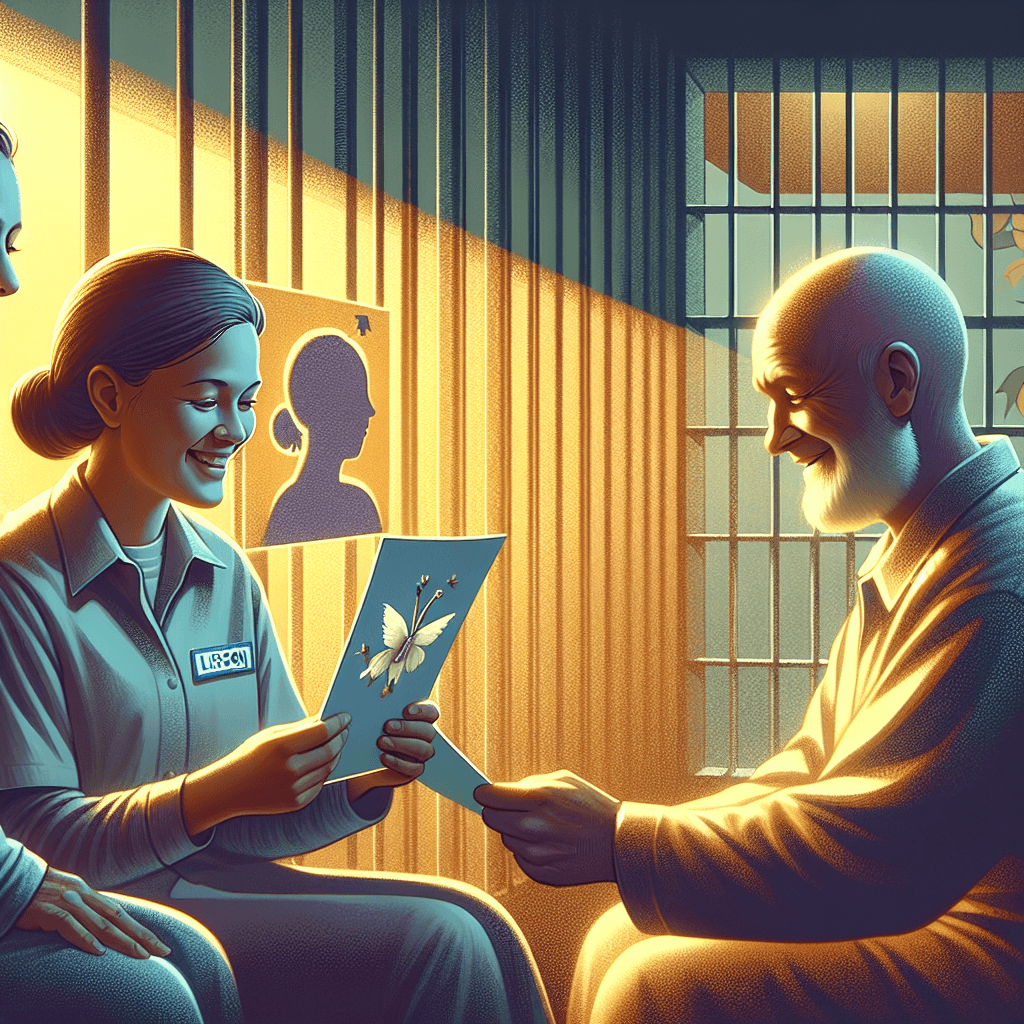
Family Support: Key to Successful Reintegration
The journey of reintegrating into society after incarceration can feel like a daunting one, not just for those who have been incarcerated but also for their families. And yet, it’s a journey that is navigated more successfully when family support is present. Why does this support make such a profound difference? Imagine being released back into a world that has moved on without you, where the simplest tasks are suddenly overwhelming, and where societal judgment can feel like an impenetrable wall. This is the reality for many individuals seeking to rebuild their lives after prison.
When we talk about “reentry after prison,” we are delving into a critical phase where the scales can tip towards positive transformation or potential recidivism. At this juncture, family support serves as a lifeline, offering stability and encouragement. The love and understanding of family members can be instrumental in helping individuals reconnect with their communities, navigate employment after incarceration, and rebuild self-esteem.
Consider a scenario where someone recently released is applying for jobs. The stigma of a criminal record can be discouraging, with rejection often rooted in preconceived notions rather than a candidate’s current merits. Here, family can play a pivotal role. They might help by reviewing resumes, preparing for interviews, or simply offering words of reassurance when hope starts to fade. It’s an emotional safety net that can make the difference between giving up and persevering.
Moreover, having a stable home environment is one of the most significant factors in preventing recidivism. According to research, formerly incarcerated individuals who return to supportive families are less likely to reoffend than those who lack such support. This underscores the importance of maintaining connections and fostering an environment where open communication and mutual respect are prioritized.
For employers considering second-chance hiring, understanding the role of family support can help in creating a more inclusive hiring process. By recognizing that these candidates often come with a robust support system eager to see them succeed, employers can tap into a motivated workforce ready to contribute positively to their businesses. Initiatives focused on second-chance hiring benefit not only individuals but also society, as they reduce recidivism rates and bolster economic productivity.
Family support is not just about emotional backing; it’s about practical help as well. Families often assist with finding housing, managing finances, and accessing educational opportunities. They serve as advocates within the broader community, helping to open doors that might otherwise remain closed. This support network can instill a renewed sense of purpose and belonging, providing the encouragement needed to tackle the hurdles of life after prison.
In this light, resources such as Elite Inmates are invaluable. They offer a platform to foster connections and build support systems for those still navigating their incarceration journey. By becoming a pen pal, you can extend this sense of community, offering hope and friendship to those who need it most. It’s more than just writing letters – it’s about bridging gaps and fostering understanding. Why not take the first step today? Reach out and learn about an incarcerated individual’s life story. You have the power to make a meaningful impact, providing the encouragement that fuels successful reintegration. Join us at EliteInmates.com, and be part of a community dedicated to second chances and lasting change.
Phone: (302) 201 - 0770
Address: 8 The Green #8840 Dover, DE 19901
info@eliteinmates.com
We write rarely, but only the best content.
