
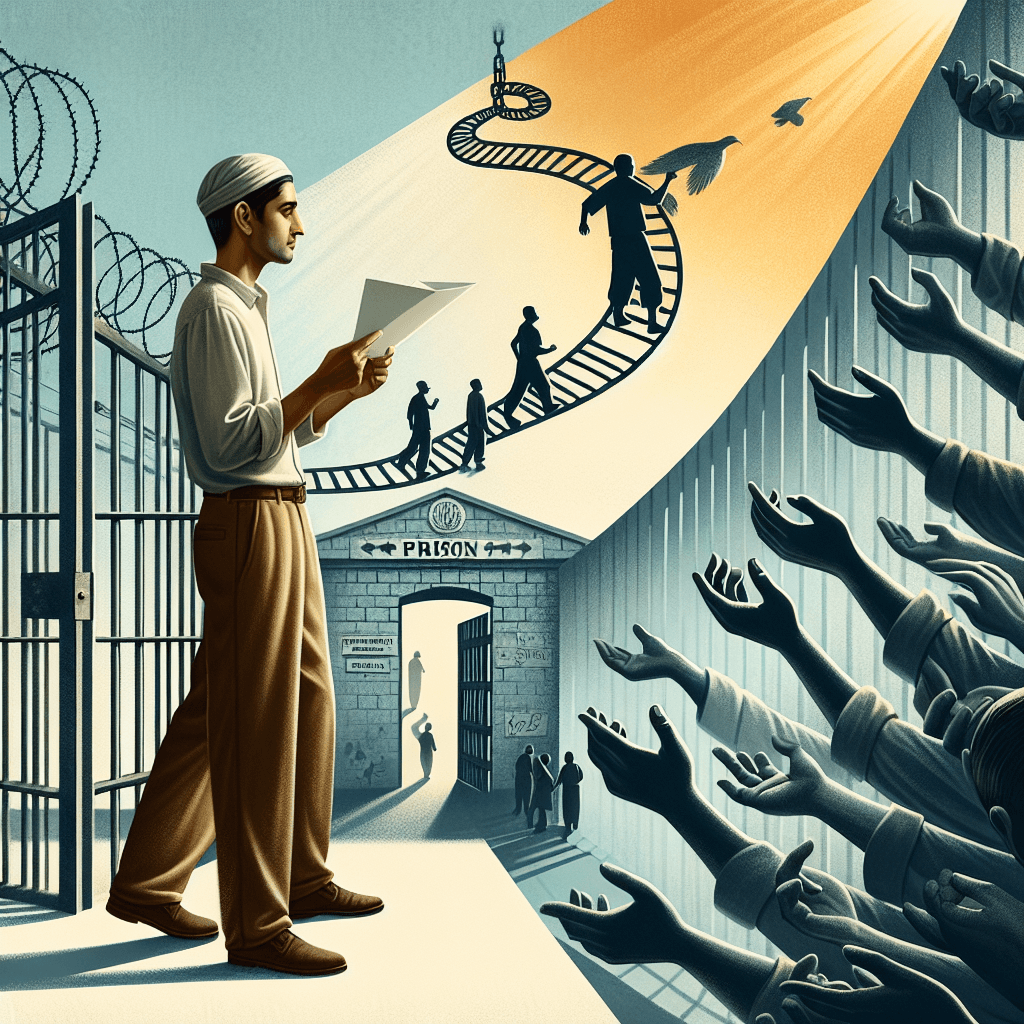
Mental Health Support for Returning Citizens
Have you ever thought about what it would feel like to walk out of prison gates, carrying the weight of both hope and uncertainty? For many returning citizens, this pivotal moment marks the beginning of a complex journey toward rebuilding their lives. As they reenter society, one of the most significant challenges they face is finding stable employment. Life after prison is not just about starting over; it’s about navigating a maze of barriers that can seem overwhelming. It’s a journey that requires courage, resilience, and, importantly, support from all corners of society.
The transition back into the community is a critical period where mental health support plays an essential role. It’s easy to underestimate how daunting the world can appear when you’ve been away. Imagine trying to catch up with a society that has kept moving while your world was paused. The mental strain can be immense, and without proper support, it can hinder the process of reintegration, making it difficult to pursue employment after incarceration. This is where mental health services become a lifeline, offering crucial guidance and support.
While job skills are vital, emotional and psychological readiness are equally important for a successful reentry after prison. Organizations dedicated to reentry services often provide counseling and therapy, focusing on building self-esteem and coping mechanisms. For instance, cognitive-behavioral therapy (CBT) is widely used to help individuals reframe their thinking patterns, making them more resilient in the face of rejection or setbacks—a common experience when seeking second-chance hiring opportunities.
Let’s acknowledge an encouraging fact: many companies are becoming aware of the value of second-chance hiring. These employers recognize the potential in individuals who have served their time and are committed to making a fresh start. Success stories abound, where former inmates, with the right support, have transformed their lives and contributed positively to their workplaces. These stories highlight the importance of not just skills training, but also mental health resources that empower individuals to thrive in a work environment.
Consider John, who spent several years in prison. With the encouragement of a reentry program, he learned not only vocational skills but also received mental health support that helped him manage anxiety and fear of rejection. Today, John is a valued employee at a manufacturing firm, bringing dedication and unique insight to his work. His story is a testament to the transformative power of support and second chances.
The family and support networks of those reentering society also play a crucial role. They are often the first line of encouragement and stability, helping to foster an environment where mental health is prioritized. Families can assist by staying informed about the challenges and resources available, providing emotional support, and celebrating small victories along the way.
Employers interested in second-chance hiring can also contribute positively by fostering inclusive work environments that provide ongoing support and development opportunities. By doing so, they not only enhance their workforce but also help to reduce recidivism, as stable employment is a key factor in preventing reoffending.
For those directly impacted by the justice system, whether as individuals or family members, understanding that they are not alone is crucial. Communities and organizations are increasingly offering resources and networks dedicated to supporting reentry efforts. Connecting with these resources can make a significant difference in easing the transition and ensuring a more hopeful future.
As we draw this conversation to a close, it’s essential to remember that everyone deserves a chance at redemption and a brighter future. At EliteInmates.com, we believe in the power of connection and community. By becoming a pen pal, you can offer invaluable support and friendship to someone who is navigating the challenging path of reentry. Your words can provide hope and companionship, bridging the gap between isolation and inclusion. Take a moment today to visit EliteInmates.com and see how you can be part of this transformative journey. Your compassion can light the way for someone seeking a second chance.
Phone: (302) 201 - 0770
Address: 8 The Green #8840 Dover, DE 19901
info@eliteinmates.com
We write rarely, but only the best content.
