
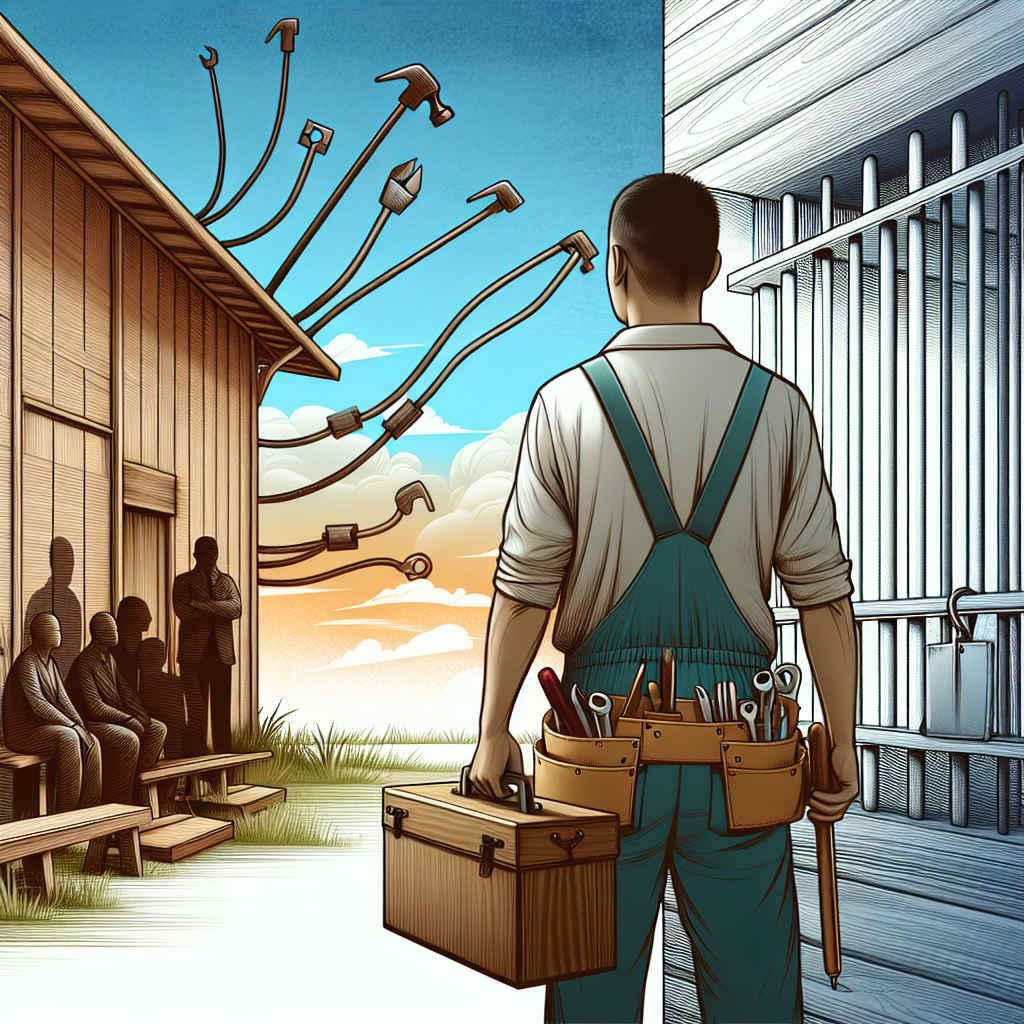
Mental Health Support for Returning Citizens
What does it mean to truly get a fresh start? For many returning citizens, leaving prison isn’t just about stepping back into society; it’s about rebuilding a life from the ground up. Yet, with this enormous task comes a unique set of challenges, especially when it comes to reentering the workforce. Employment after incarceration is more than just a paycheck—it’s a ticket to stability, self-worth, and a second chance at life.
Consider the story of Marcus, a talented carpenter who, after serving a five-year sentence, found himself facing a wall of rejection. Despite his skills and determination, the label of a criminal record overshadowed his qualifications. It’s a story all too familiar for many individuals who find themselves back in the community but still shackled by the stigma of their past. Marcus’s journey highlights a critical question: How do we support returning citizens in their quest for meaningful employment and societal reintegration?
The barriers to employment for formerly incarcerated individuals are significant. According to the Prison Policy Initiative, the unemployment rate for returning citizens is over 27%, surpassing the general population during the Great Depression. This startling statistic underscores the urgency of advocating for second chance hiring practices, which not only open doors for individuals like Marcus but also benefit employers by tapping into a pool of motivated and often highly skilled workers.
Organizations and businesses are beginning to recognize the value of second chance hiring. Companies like Dave’s Killer Bread and Johns Hopkins Hospital have implemented successful programs that focus on the strengths of returning citizens rather than their past mistakes. These initiatives not only foster diversity and inclusion but also reduce recidivism, proving that when given the opportunity, returning citizens can thrive and contribute positively to their communities.
Yet, employment is only one piece of the puzzle. Reentry after prison requires a holistic approach to mental health support, addressing issues like trauma, anxiety, and depression that often accompany the transition. Returning citizens may feel overwhelmed by the drastic changes in their environment, from the technological advancements to the subtle social cues that have evolved during their absence. Mental health services tailored to these unique needs are crucial in helping individuals like Marcus regain their footing.
Community programs play a pivotal role here, offering counseling and peer support that can make all the difference. For example, initiatives such as the Fortune Society in New York provide comprehensive reentry services, including mental health support, aimed at empowering individuals to lead independent lives. These programs demonstrate the power of community in fostering resilience and hope.
Family and social networks also serve as vital support systems, offering love and encouragement that can bridge the gap between incarceration and successful reentry. For Marcus, reconnecting with his family provided a sense of belonging and a reminder that he was not defined by his past. Encouraging the involvement of family members in the reentry process can amplify positive outcomes, offering returning citizens a stable foundation from which to rebuild their lives.
It’s important for society to shift its perspective, seeing formerly incarcerated individuals not just as their past mistakes but as people with potential and stories worth hearing. Empathy and understanding can transform the narrative, paving the way for innovative solutions that address the root causes of recidivism and promote successful reintegration.
If you’re inspired by Marcus’s journey and the resilience of returning citizens seeking a second chance, consider taking action today. By visiting EliteInmates.com, you can explore the opportunity to become a pen pal to someone still navigating the justice system. Your words can offer hope, friendship, and support, helping to light the path toward rehabilitation and a brighter future. Join us in making a difference—one meaningful connection at a time.
Phone: (302) 201 - 0770
Address: 8 The Green #8840 Dover, DE 19901
info@eliteinmates.com
We write rarely, but only the best content.
