
Navigating Emotions as a Prison Penpal: Attachment & Empathy
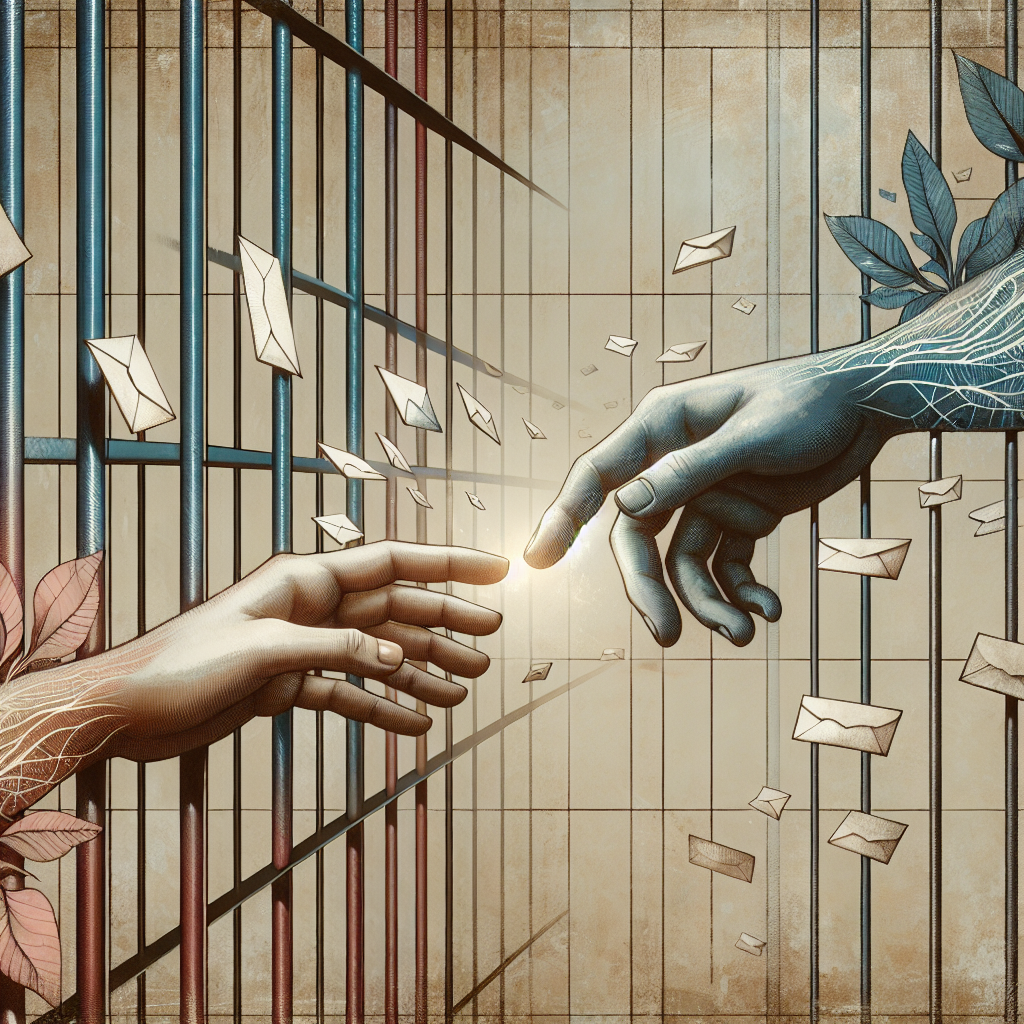
How often do we pause to consider the emotional landscapes we traverse while reaching out to others, especially those who are often out of sight and out of mind? The world of prison penpals opens a channel not only to write letters but to weave connections across the chasm of incarceration. Yet, as fulfilling as it may be, this journey can also lead us to navigate the complex waters of attachment, empathy, and compassion fatigue.
Writing to someone who is incarcerated is more than just an exchange of words; it’s an exchange of worlds. For many penpals, the initial thrill of making a difference can evolve into a deeper emotional involvement. This connection can feel like a lifeline for someone facing the stark realities of life after prison, where employment after incarceration, social reintegration, and second chance hiring opportunities are daunting prospects. But with every letter, there’s a chance that the emotional stakes increase.
Consider this: as you write more, learn more, and share more, you might find yourself becoming a crucial part of your penpal’s support network. This bond can create a powerful sense of attachment, which is both the beauty and the challenge of being a prison penpal. On one side, your friendship can provide immense hope and encouragement. On the other, you might find yourself worrying about their day-to-day struggles, feeling the weight of their setbacks as personally as your own.
Empathy is the bridge to understanding, yet it also requires self-care to maintain. When writing to someone incarcerated, it’s easy to imagine their challenges and allow their stories to resonate deeply within us. However, if not carefully managed, this empathy can transform into compassion fatigue—a state where the emotional reserves run low, and the capacity to care diminishes. This is particularly true if your penpal’s life is fraught with the challenges of reentry after prison, like finding stable housing or encountering barriers to employment due to past convictions.
A key strategy to manage these emotional dynamics is setting healthy boundaries. It’s perfectly okay to feel deeply, but it’s also essential to recognize when to step back and recharge. Remember, being a source of support doesn’t mean you need to have all the answers or solutions. Instead, focus on being a consistent, caring presence. Sharing your own experiences and vulnerabilities can also help in creating a reciprocal relationship, making it a two-way street where both parties learn and grow.
At the heart of this exchange lies the potential for transformation—not just for your penpal, but for you as well. Your letters can be a source of hope and a reminder of life’s possibilities beyond the prison walls. For those reentering society, knowing they have someone in their corner can make a difference in their pursuit of second chances, whether it’s through second chance hiring or simply the belief that change is possible.
Statistics highlight the impact of these connections. Studies have shown that maintaining strong social ties can significantly reduce recidivism rates. This underscores the power of personal connection in supporting rehabilitation and reintegration. However, it’s important to keep in mind that while you can influence, you cannot control the outcomes. The journey is as much about the process as it is about the results.
If the emotional toll becomes too heavy, it’s crucial to seek support. Engaging with communities or forums for prison penpals can provide a space to share experiences and advice. Practicing mindfulness or seeking professional guidance can also help maintain emotional balance. Remember, it’s okay to be vulnerable and ask for help—this is part of what strengthens the bonds of humanity.
So why not take the first step today? At EliteInmates.com, you can explore the possibility of becoming a penpal and experience the profound impact of forming a connection. Offering hope and friendship to someone incarcerated can be transformative for both of you, reducing loneliness and supporting their journey of rehabilitation. Join us, and discover how your words can become a beacon of hope and change.
Phone: (302) 201 - 0770
Address: 8 The Green #8840 Dover, DE 19901
info@eliteinmates.com
We write rarely, but only the best content.
