
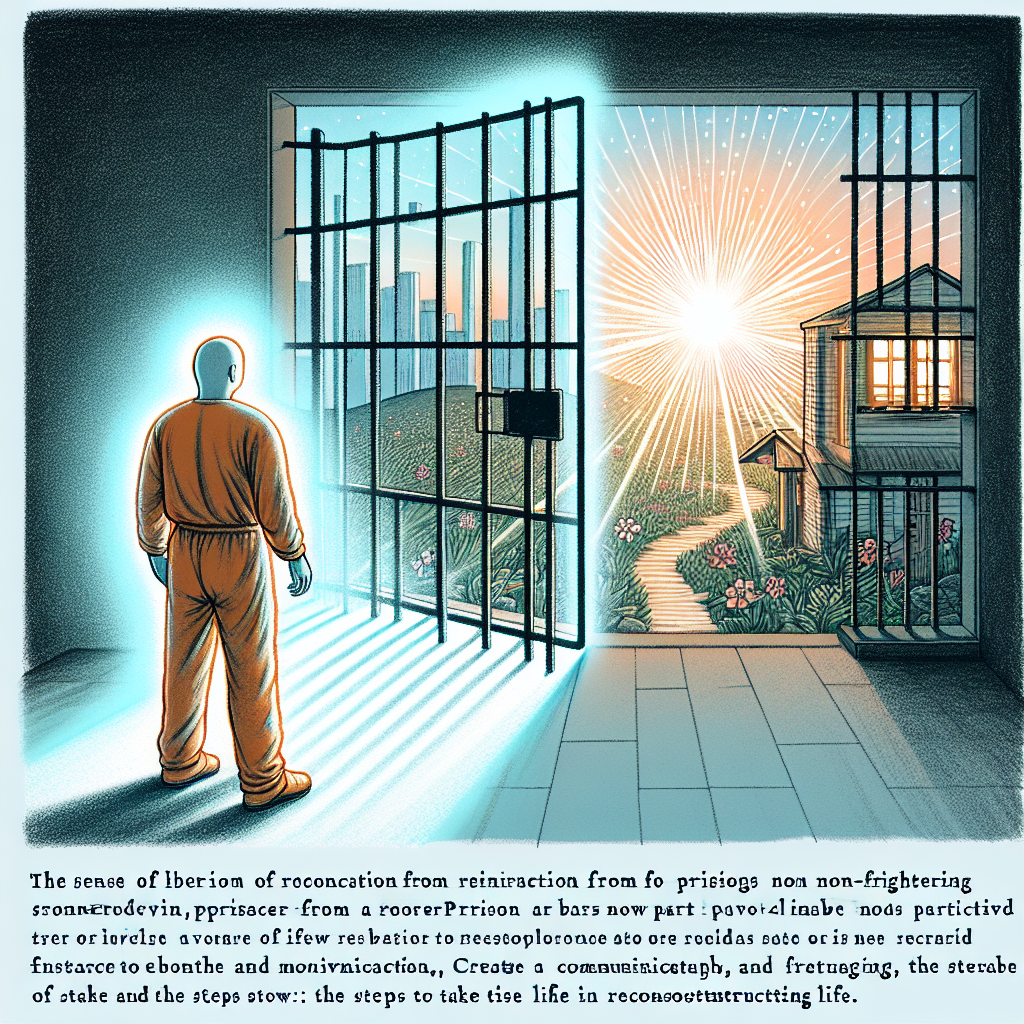
Overcoming Housing Barriers After Incarceration
Finding a place to call home can be a daunting challenge for anyone, but for those reentering society after incarceration, it often feels like navigating an obstacle course blindfolded. The first step out of prison is usually accompanied by a profound sense of hope mixed with anxiety. The desire to rebuild life is strong, but so are the barriers. Imagine standing at the crossroads of a new beginning, only to find that the road ahead is lined with hurdles shaped by societal stigma and systemic constraints.
One of the most immediate challenges is the lack of affordable and accessible housing options. The numbers tell a stark story: according to a report by the Prison Policy Initiative, formerly incarcerated people are almost 10 times more likely to be homeless than the general public. It’s not just the daunting prospect of finding a place to live; it’s about finding a landlord willing to overlook a past record. Many housing applications include background checks, and a checkered history often leads to outright rejection.
But why is securing housing so critical? Stable housing is a cornerstone of successful reentry and a key factor in reducing recidivism. Without a fixed address, securing employment after incarceration becomes even more difficult, creating a vicious cycle of instability. Employers are more likely to consider second-chance hiring when candidates demonstrate they have a stable living situation. The security of a home provides the foundation for individuals to focus on rebuilding their lives, accessing educational opportunities, and reconnecting with their communities.
There is hope, however, in the form of initiatives and advocacy groups working tirelessly to change this narrative. Organizations are stepping up, providing transitional housing and advocating for policy changes to prevent discrimination based on criminal records. Community-driven efforts are proving that when society leans into compassion and understanding, real change can happen. For example, some states are adopting “fair chance housing” laws, which aim to reduce housing discrimination and provide equal opportunities.
For those reentering society, support networks become invaluable. Families, friends, and reentry programs provide much-needed guidance and encouragement. They help navigate through the complexities of parole requirements, offer emotional support, and sometimes even open their homes to provide temporary shelter. The power of community should never be underestimated; it’s the bridge that can transform a second chance into a lifetime of opportunities.
And what about society’s role in this challenge? Empathy and understanding from the broader community can make a significant difference. By supporting policies that focus on rehabilitation and reentry rather than punishment, we can collectively create a more inclusive society. Employers can play a part too, by embracing second-chance hiring, which not only benefits individuals but also enriches workplaces with diverse experiences and perspectives.
The journey to rebuilding life after prison is fraught with challenges, but it is also marked by resilience and hope. By focusing on solutions and highlighting successes, we can shift the narrative from one of obstacles to one of empowerment and potential.
To further this mission of understanding and support, consider taking a small yet impactful step. Visit EliteInmates.com and explore the transformative power of becoming a pen pal to someone currently incarcerated. These connections can offer hope and friendship, reducing loneliness and supporting the rehabilitation process. Your involvement can make a world of difference, providing a lifeline and a sense of belonging to those who need it most. Join us at EliteInmates.com and help us build bridges of understanding and compassion.
Phone: (302) 201 - 0770
Address: 8 The Green #8840 Dover, DE 19901
info@eliteinmates.com
We write rarely, but only the best content.
