
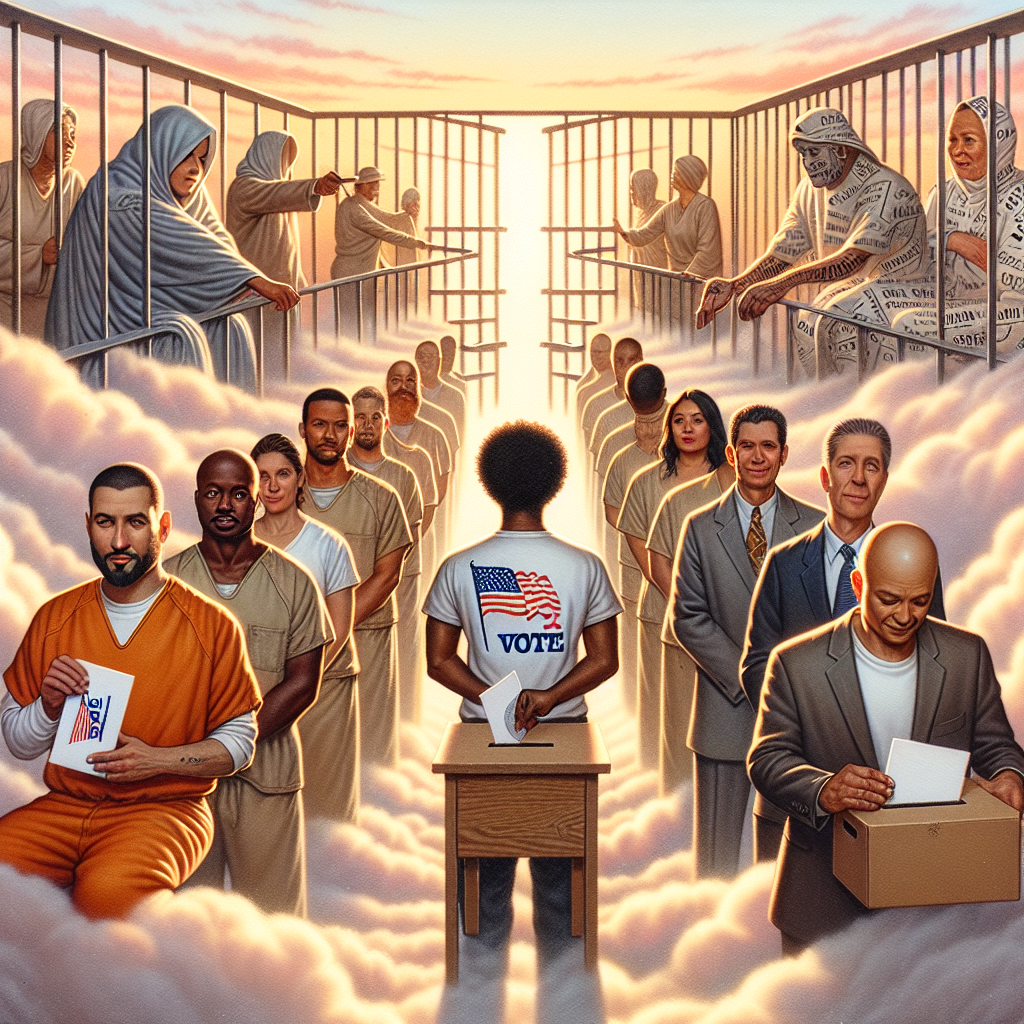
Restoring Voting Rights After a Felony Conviction
For many who have experienced the criminal justice system, the path back to normalcy can feel like navigating a labyrinth with no clear exit. Consider a momentary lapse in judgment or a single mistake that led to a felony conviction. The consequences ripple beyond the prison walls, affecting every aspect of life — particularly the right to vote. Voting is a fundamental pillar of our democracy, and restoring this right is not just a legal matter; it’s a significant step towards reintegration and empowerment.
In the United States, approximately 5.2 million people are disenfranchised due to felony convictions. This statistic, while staggering, only begins to capture the broader implications for those seeking to rebuild their lives. When someone loses their voting rights, they’re deprived of a voice in shaping the very society they inhabit, often leading to a deep sense of disconnection and marginalization. However, it’s important to remember that change is possible, and many states are taking strides to restore voting rights to formerly incarcerated individuals.
Restoring voting rights varies significantly from state to state. Some states automatically restore voting rights upon release, while others require individuals to complete parole or probation. A few states offer no automatic restoration, requiring a lengthy petition process or even a governor’s pardon. Understanding these variations is crucial for those affected and those supporting their journey back into society. Thankfully, organizations across the country are dedicated to providing guidance and resources, ensuring that no one has to navigate these waters alone.
Imagine the story of David, a man who served time for a non-violent offense. Upon release, he was eager to participate in his community again, but the realization that he couldn’t vote was a sobering reminder of his past. For David, voting was more than a civic duty; it was an opportunity to express his opinions and advocate for policies that could prevent others from making similar mistakes. With the help of local advocacy groups, he learned about the process to restore his voting rights, which reignited a sense of belonging and purpose.
Reentry after prison isn’t just about finding a job or a place to live; it’s about reclaiming one’s identity and voice. Voting is a powerful tool, not just for individuals like David, but for communities striving for social justice reform. The collective effort to restore voting rights can lead to significant policy changes that address systemic issues like employment after incarceration and the barriers many face when seeking second-chance hiring opportunities.
It’s essential to celebrate the success stories and the individuals who have overcome these challenges. For instance, in Florida, a constitutional amendment passed in 2018 restored voting rights to over a million people with felony convictions. This victory was a testament to the power of community organizing and the belief that everyone deserves a second chance. Such successes inspire hope and illustrate the profound impact of restoring voting rights.
The journey to reclaim one’s voice and place in society can be arduous, but it is far from impossible. Advocacy, education, and community support are the pillars upon which successful reentry is built. By focusing on practical solutions and fostering empathy, we can create an environment where formerly incarcerated individuals feel valued and empowered to contribute positively to their communities.
If you’re moved by these stories of hope and transformation, consider taking a step towards making a difference. Visit EliteInmates.com and explore the opportunity to become a pen pal to someone currently incarcerated. By offering friendship and encouragement, you can help reduce loneliness and support rehabilitation. Your willingness to connect can make all the difference. Join us at EliteInmates.com and be part of a journey that uplifts both the giver and the receiver, fostering connections that transcend the bars of confinement.
Phone: (302) 201 - 0770
Address: 8 The Green #8840 Dover, DE 19901
info@eliteinmates.com
We write rarely, but only the best content.
