
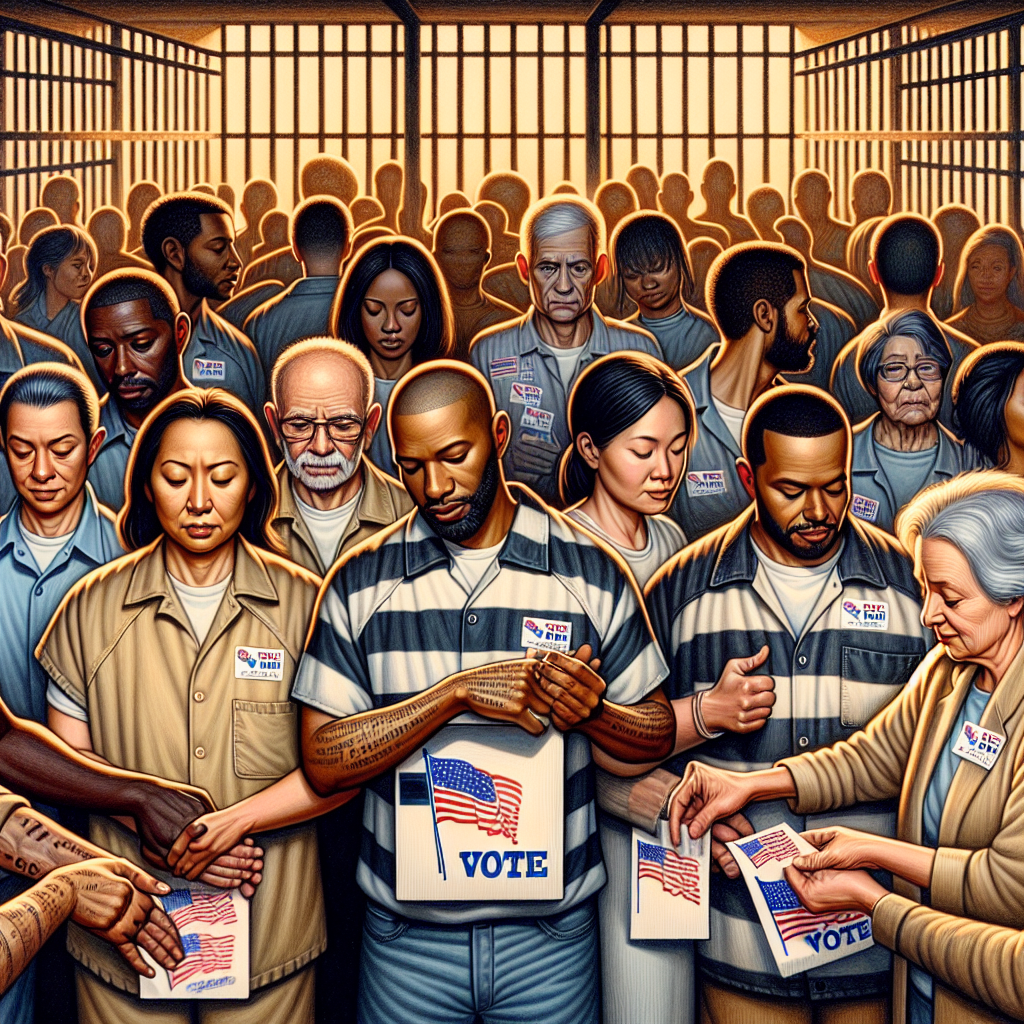
Restoring Voting Rights After a Felony Conviction
When was the last time you thought about the simple act of voting? For many of us, it’s a routine civic duty we perform every few years. But for some, it represents a hard-fought victory in a battle for recognition and belonging. Imagine emerging from years behind bars, determined to rebuild your life, only to discover that your voice—the most fundamental expression of your citizenship—has been silenced. This is the reality for numerous individuals with felony convictions in the United States. The journey to restoring voting rights is not just about reclaiming a ballot; it’s about reclaiming dignity and hope in life after prison.
The path to reentry after incarceration is fraught with challenges. Employment after incarceration is a hurdle many face, with nearly half of formerly incarcerated individuals still unemployed a year after their release. But beyond the economic barriers lies the profound issue of disenfranchisement. In many states, a felony conviction can mean losing the right to vote, sometimes permanently. This loss reverberates beyond the individual, impacting families and communities, hindering the full reintegration process.
Yet, there’s hope and progress on the horizon. Several states have made strides to dismantle these barriers, recognizing the importance of second chances. For example, in Florida, a landmark referendum in 2018 restored voting rights to over a million people with felony convictions, provided they had completed their prison sentences, parole, and probation. Such changes reflect a growing acknowledgment that participation in democracy is a crucial step towards personal and societal healing.
Why is restoring voting rights so significant? Voting is more than casting a ballot; it’s an affirmation of one’s role in the community and a statement that society believes in your potential to contribute positively. For those emerging from the justice system, regaining this right can be a powerful catalyst for change, fostering a sense of belonging and responsibility that reinforces their reentry efforts.
Moreover, the ripple effect of restoring voting rights extends beyond individuals. It strengthens communities by encouraging civic engagement and participation among all residents, including those who might have been marginalized or voiceless. When communities embrace their members—regardless of their past—they become more cohesive and resilient.
This journey, while arduous, is also filled with inspiring stories of resilience and redemption. Take the example of John, a father from Virginia who spent years advocating not just for his voting rights but for others in similar situations. His perseverance paid off when he finally cast his vote, a moment he described as reclaiming his humanity. Stories like John’s underscore the power of second chances and the transformative impact of being seen and heard.
Professionals working in reentry services and advocacy groups play an invaluable role in this transformation. By supporting efforts to restore voting rights, they provide individuals with the tools and encouragement needed to navigate life after prison. Their work helps dismantle stigma, promote empathy, and build bridges between the formerly incarcerated and the broader community.
Employers considering second-chance hiring also have a stake in this journey. By offering opportunities to those who have paid their debt to society, they not only enrich their workforce but also contribute to a more inclusive and just world. Employment after incarceration is a key factor in reducing recidivism, and when combined with restored civic rights, it lays a strong foundation for lasting reintegration.
As we reflect on these narratives of struggle and triumph, it’s clear that the quest for voting rights is as much about healing as it is about justice. It’s about acknowledging the inherent worth of every individual and believing in their ability to start anew.
So why not take the first step towards making a difference today? By reaching out and becoming a pen pal to someone currently incarcerated, you can offer hope, friendship, and a reminder that they are not forgotten. These connections can be life-changing, providing invaluable support and encouragement. Visit EliteInmates.com to learn how you can contribute to this journey of healing and transformation. Together, let’s champion second chances and celebrate the power of community.
Phone: (302) 201 - 0770
Address: 8 The Green #8840 Dover, DE 19901
info@eliteinmates.com
We write rarely, but only the best content.
