
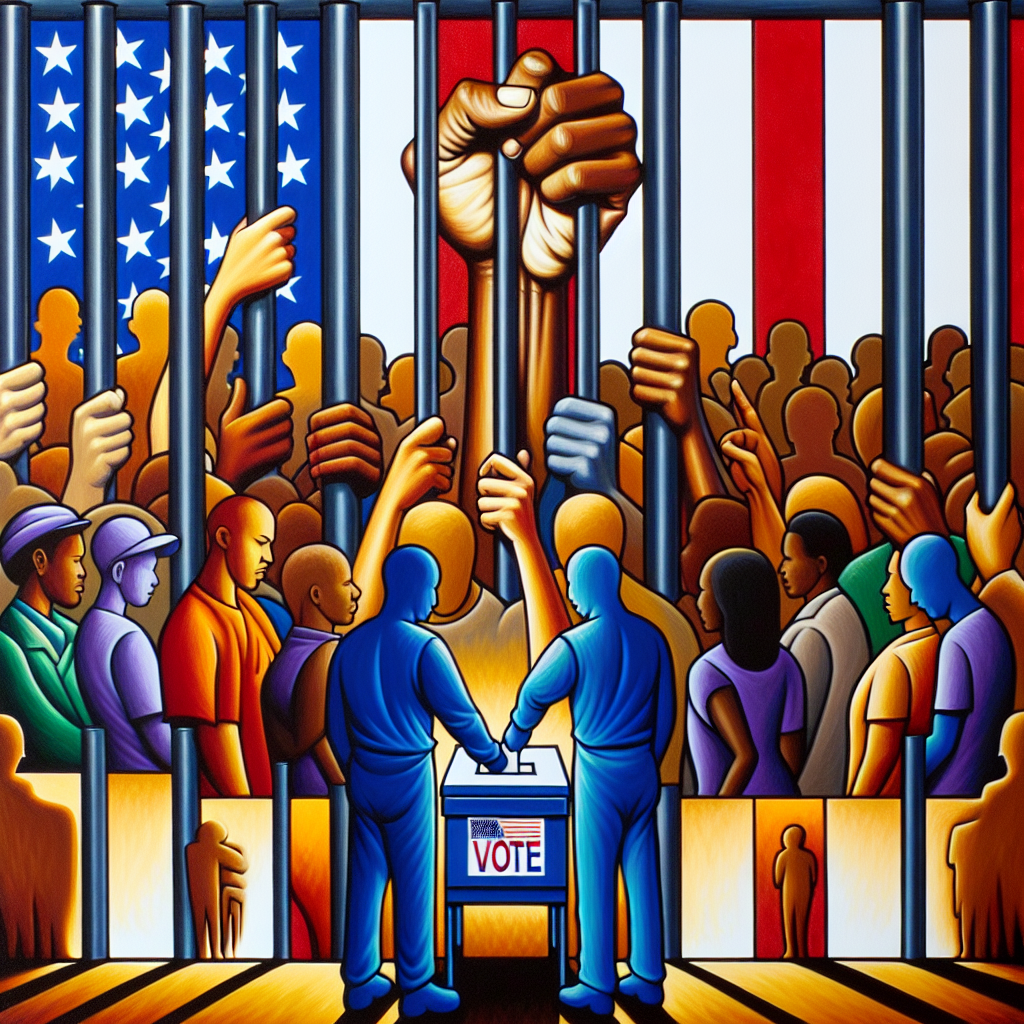
Restoring Voting Rights After a Felony Conviction
When someone serves their time and steps back into the world, ready to rebuild their life, they often carry with them a question that weighs heavily: “Will society give me a second chance?” The journey of reentry after prison is riddled with challenges, and one of the most significant hurdles many face is the restoration of their voting rights. This issue touches the core of an individual’s identity and their place in society, echoing loudly in the halls of justice reform.
In the United States, approximately 6.1 million Americans are unable to vote due to a felony conviction, a staggering number that underscores a critical need for reform. For those who have been incarcerated, the right to vote is not just about casting a ballot; it’s about being seen as a full citizen again. Voting is a fundamental step towards rebuilding a life that includes civic engagement and personal empowerment.
Restoring voting rights after a felony conviction varies dramatically from state to state, creating a complex landscape that can be difficult to navigate. Some states automatically restore voting rights upon release, while others require additional steps, such as completing parole or probation. Then there are states where those rights are lost indefinitely, unless restored through individual petitions. This patchwork of laws can be bewildering and frustrating for individuals seeking to reclaim their voice in the democratic process.
Despite these challenges, there is hope and progress. Advocacy groups and activists continue to push for change, aiming for policies that automatically restore voting rights upon release or completion of a sentence. Florida’s Amendment 4, passed in 2018, is a prime example of this progress, showing the power of collective action and the undeniable belief in second chances. The amendment restored voting rights to over 1.4 million residents with felony convictions, highlighting a shift towards a more inclusive democracy.
But why does this matter? Why should we care about restoring voting rights to those who have served their time? The answer lies in the transformative power of reintegration. When individuals feel connected to their community and country, they are more likely to contribute positively and sustain their rehabilitation. Voting is a vital expression of this connection, offering a sense of belonging and responsibility.
This journey towards restoring voting rights is about more than just policy change; it’s about reshaping how we view justice and rehabilitation. It’s about acknowledging that people are more than their past mistakes and that everyone deserves the opportunity to participate fully in society.
For those directly impacted, understanding the path to regaining their voting rights is crucial. Organizations like the ACLU and local advocacy groups offer resources and guidance, providing clarity in a maze of legal requirements. Additionally, community support can play a pivotal role. Friends, family, and allies who stand beside those on this journey can offer encouragement and help navigate the sometimes daunting process.
As a society, embracing second-chance hiring and providing opportunities for employment after incarceration are crucial steps in this holistic approach. Employers can make a significant difference by recognizing the potential in individuals who are ready to contribute and grow. A job is more than just a paycheck; it’s a stepping stone towards a stable and fulfilling life.
At the heart of this conversation is the understanding that reintegration is a collective effort. It requires empathy, support, and a commitment to creating pathways to success for everyone, regardless of their past. The road might be long, but with each step, we move closer to a more just and inclusive society.
As we reflect on these themes of hope, connection, and second chances, consider how you can be part of this transformative journey. At EliteInmates.com, reaching out to those currently incarcerated can be an incredible way to offer support and friendship. Becoming a pen pal provides a meaningful connection, offering encouragement and a reminder that they are not forgotten. Why not take the first step today? Visit EliteInmates.com and see how your words could brighten someone’s day and contribute to their journey of rehabilitation and hope. Together, we can build a bridge towards understanding and change.
Phone: (302) 201 - 0770
Address: 8 The Green #8840 Dover, DE 19901
info@eliteinmates.com
We write rarely, but only the best content.
