
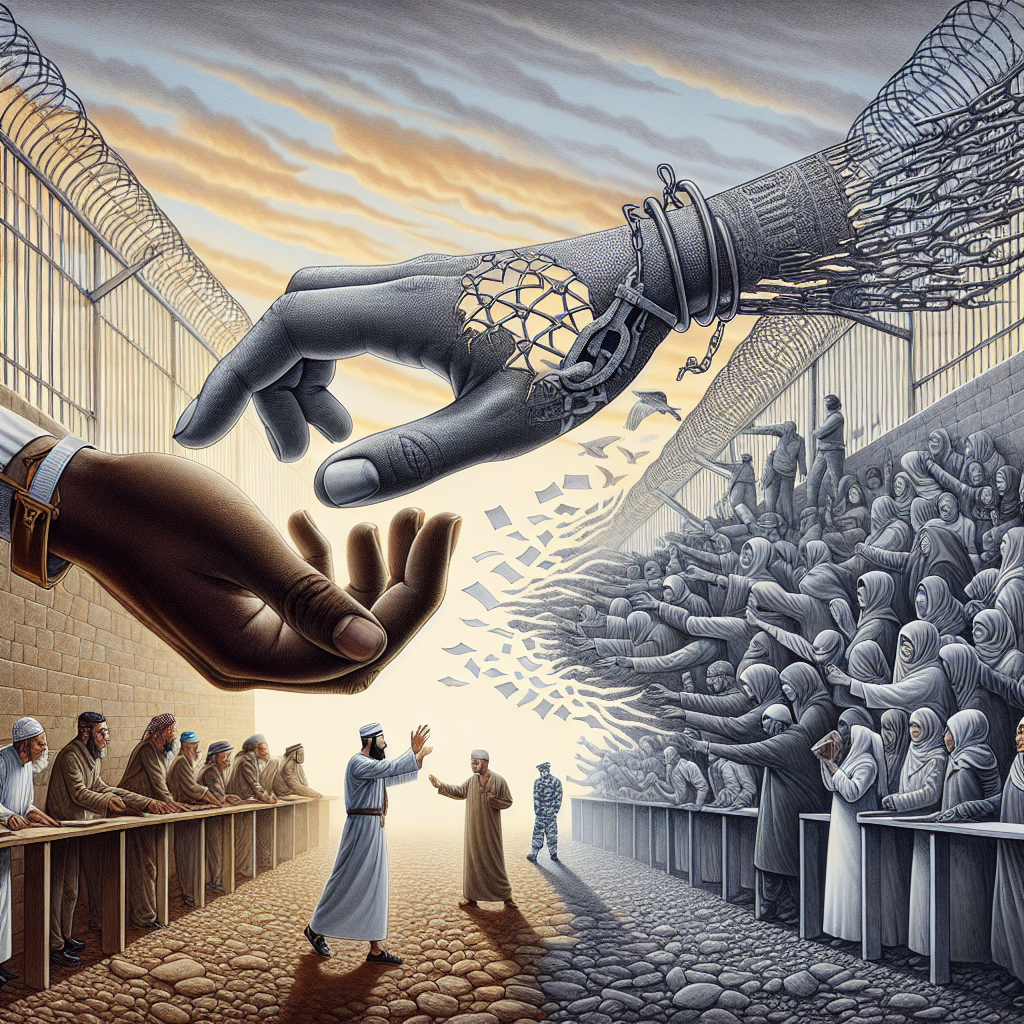
Restoring Voting Rights After Felony Conviction
In the grand tapestry of life, each of us experiences moments that define us. For some, these moments occur behind bars, as they serve time for past mistakes. Yet, even after serving their sentence, many face an invisible wall upon reentering society—a wall that separates them from their most fundamental right: the right to vote. Have you ever wondered what it must feel like to be unable to voice your opinion on decisions that impact every aspect of your life simply because of a past felony conviction?
Imagine this: you’ve paid your debt to society, turned your life around, and are eager to be an active member of your community. But when election day comes, you find yourself on the sidelines, unable to participate in the democratic process. This is the reality for millions of Americans who, despite their best efforts to reintegrate into society, find their progress hindered by laws that strip them of their voting rights.
Thankfully, the conversation around restoring voting rights is changing, and it’s driven by stories of resilience and hope. Take the state of Florida, for example, where a historic vote in 2018 restored voting rights to approximately 1.4 million individuals with felony convictions. This marked a significant shift in perspective, highlighting a growing recognition of the importance of second chances and the transformative power of civic engagement.
But why does restoring voting rights matter so much? It’s not just about casting a ballot; it’s about acknowledging the dignity and humanity of every individual. Voting provides a sense of belonging and empowerment, a way for formerly incarcerated individuals to feel connected to their communities and have a say in shaping their futures. It’s about breaking the cycle of disenfranchisement and offering people a fair chance to rebuild their lives.
The barriers to voting rights restoration are often complex and vary widely between states. In some places, the process is automatic upon release, while in others, it requires navigating a labyrinth of legal procedures. This lack of uniformity can be discouraging, but advocacy groups and reentry services are working tirelessly to simplify the process and educate individuals about their rights.
Organizations like the American Civil Liberties Union (ACLU) and local advocacy groups are at the forefront, providing resources and support to those seeking to regain their voting rights. These efforts are crucial for fostering a sense of community and solidarity among those impacted by the justice system. It’s about more than just ticking a box on a form; it’s a journey of reclaiming one’s identity and standing up for oneself.
For employers, understanding the importance of second chances can lead to meaningful change. Second chance hiring—a practice where companies actively seek to employ individuals with criminal records—has proven beneficial not just for the individuals but also for businesses and society at large. Studies suggest that diverse workplaces are more innovative and have lower turnover rates. By employing individuals who have experienced incarceration, companies not only provide a lifeline but also gain loyal, hardworking employees eager to prove their worth.
While the journey toward restoring voting rights and achieving true reintegration after prison is fraught with challenges, it’s also a journey filled with hope and possibility. Each success story serves as a reminder that change is not only possible but happening right now. And every step taken toward inclusion and equality is a step toward a brighter future for all.
So, why not take the first step today? Connecting with someone behind bars can open doors of understanding and friendship that transcend societal barriers. At EliteInmates.com, you have the opportunity to become a pen pal, offering hope and companionship to those yearning for connection. By reaching out, you support rehabilitation and help reduce loneliness, making a significant impact on someone’s journey. Join us at EliteInmates.com and be part of a movement that champions second chances and the power of human connection. Together, we can build a more inclusive and compassionate society.
Phone: (302) 201 - 0770
Address: 8 The Green #8840 Dover, DE 19901
info@eliteinmates.com
We write rarely, but only the best content.
