
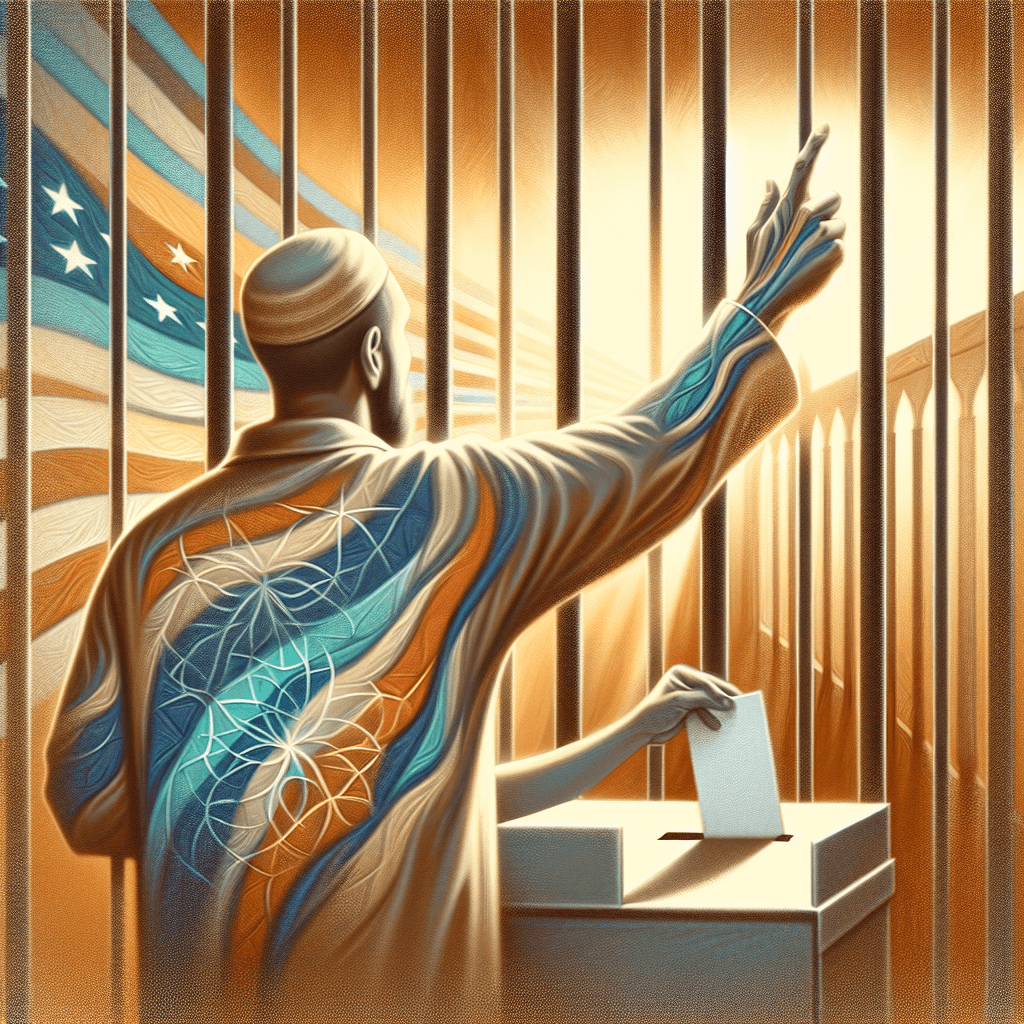
Restoring Voting Rights After Felony Conviction
Picture this: you’ve served your time, paid your dues, and now you’re ready to step back into the world with hope and determination. Yet, as you stand on the cusp of this new chapter, you’re met with a stark reality—your right to vote, a fundamental pillar of citizenship, has been taken away. For many, this isn’t just a legal hurdle; it’s a reminder of the societal barriers that continue to loom long after the prison doors have closed. Restoring voting rights after a felony conviction is more than a legal battle; it’s a journey towards reclaiming one’s voice and reintegrating into society.
The path back to the ballot box isn’t uniform across the United States. Each state sets its own rules, creating a patchwork of regulations that can be overwhelmingly complex. In some states, individuals automatically regain their voting rights upon release, while in others, the process is tangled with red tape and requires navigating a daunting bureaucratic landscape. For those emerging from incarceration, who are already grappling with the challenges of reentry after prison, this additional burden can seem insurmountable.
Yet, hope is on the horizon. Recent years have witnessed a groundswell of advocacy and reform efforts aimed at dismantling these barriers. In 2018, Florida’s Amendment 4 restored voting rights to over a million residents with felony convictions, excluding those convicted of murder or sexual offenses. This landmark decision not only transformed the political landscape but also ignited similar movements across the nation. It’s a testament to the power of collective action and the belief in second chances.
For individuals seeking to restore their voting rights, the first step is understanding the specific laws in their state. Organizations dedicated to criminal justice reform, such as the American Civil Liberties Union and the Brennan Center for Justice, offer comprehensive resources and guidance tailored to each state’s regulations. Legal aid services can also provide crucial assistance in navigating the often-complicated process, ensuring that no one has to face this challenge alone.
Moreover, the journey to restore voting rights is deeply interconnected with broader efforts to secure employment after incarceration. A stable job is a cornerstone of successful reentry, yet many formerly incarcerated individuals encounter significant barriers in the job market. The stigma associated with a criminal record can overshadow qualifications and skills, leading to frustrating cycles of unemployment or underemployment. However, the second chance hiring movement is gaining momentum, with companies increasingly recognizing the untapped potential of this resilient and motivated workforce. Employers are discovering that offering opportunities to those reentering society not only enriches their teams but also strengthens communities as a whole.
The narrative is shifting, albeit slowly, from one of exclusion to one of inclusion. Positive framing and real-life success stories help in changing perceptions and fostering an environment where individuals can thrive. Consider the story of someone who, after serving time, found work at a tech startup through a second chance hiring initiative. Their journey, from facing rejection to contributing innovatively to their team, is a powerful reminder that life after prison can be one of growth, contribution, and fulfillment.
As society progresses towards a more inclusive future, it’s crucial to remember that restoring voting rights and facilitating employment after incarceration are deeply interwoven tasks. Both require empathy, understanding, and a commitment to dismantling systemic barriers. They are about more than just policy changes; they are about affirming the dignity and potential of every individual.
So, as you reflect on these challenges and triumphs, consider the profound impact you can have on someone’s life. Visit EliteInmates.com to explore becoming a pen pal. By reaching out, you’re offering more than friendship; you’re providing hope, reducing loneliness, and supporting rehabilitation. Every letter exchanged is a step towards rebuilding lives and reinforcing the belief in second chances. Take that first step today, and join us in making a meaningful difference.
Phone: (302) 201 - 0770
Address: 8 The Green #8840 Dover, DE 19901
info@eliteinmates.com
We write rarely, but only the best content.
