
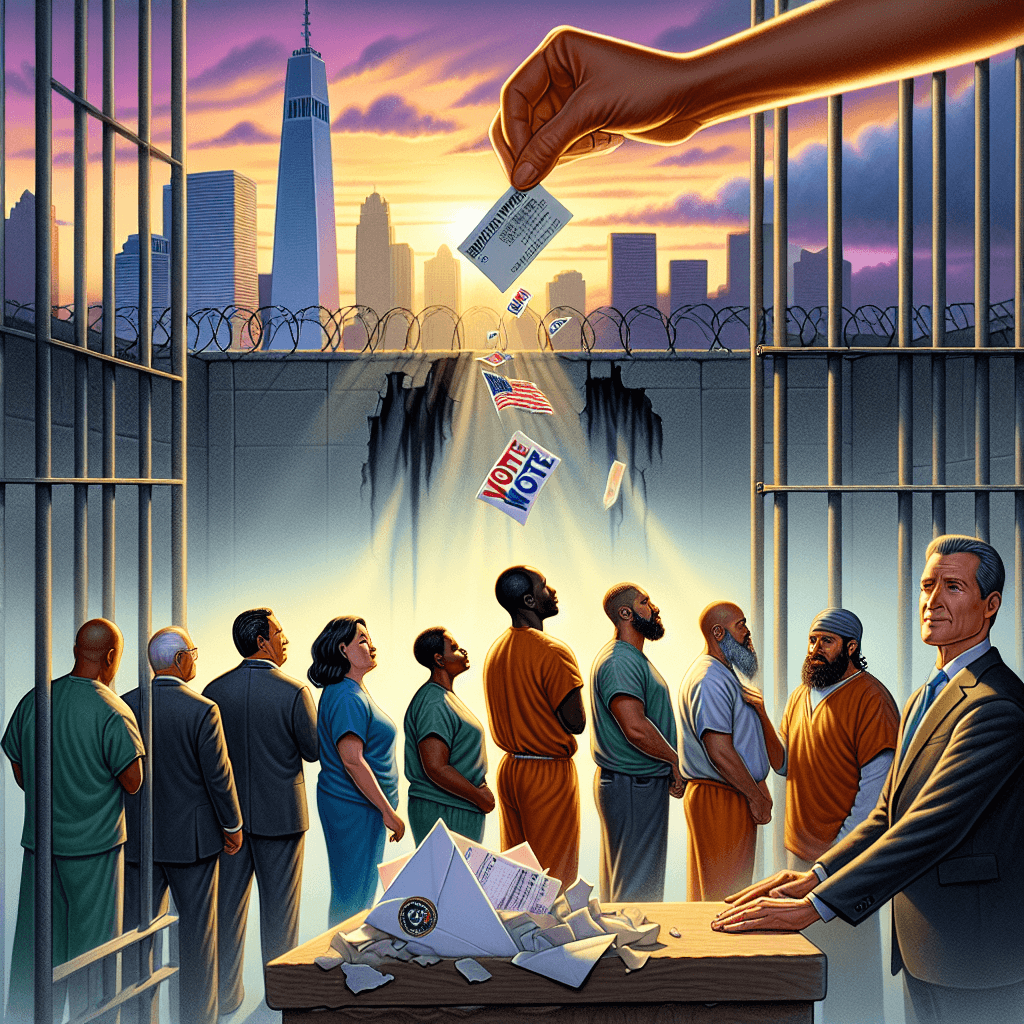
Restoring Voting Rights After Felony Conviction
What does it mean to be seen as more than a mistake? For many individuals who have served time in prison, this question isn’t just philosophical—it’s a daily, lived reality. As they step back into society, one of the most significant challenges they face is regaining their right to vote after a felony conviction. This is not just a legal issue but a deeply personal journey towards reclaiming one’s voice and identity.
In the United States, voting is often considered a fundamental right—a cornerstone of democracy. Yet, for those who have been incarcerated, this right can feel out of reach. The laws governing the restoration of voting rights vary significantly from state to state, creating a patchwork of regulations that can be confusing and discouraging. Some states automatically restore voting rights after prison, while others require additional steps such as completing parole or probation. In some areas, individuals must actively apply to have their rights restored, which can be a daunting process filled with bureaucratic hurdles.
But there’s hope and progress in this area, driven by advocacy groups and individuals who believe in the power of second chances. For example, in recent years, states like Florida have made headlines by passing legislation aimed at restoring voting rights to former felons, reflecting a growing recognition of the importance of reintegrating these individuals into the civic community.
Restoring voting rights isn’t just about checking a box on a form—it’s about acknowledging that people are more than their past actions. It’s about offering a tangible way for individuals to engage with their communities and influence the systems that affect their lives. Voting is a powerful expression of belonging, and when individuals are given back this right, it can be a profound step towards healing and rebuilding their identity.
Consider the story of John, a fictional representation of many real individuals. After serving a five-year sentence, he returned to a world that had moved on without him. The weight of his past hung heavily, impacting his ability to find employment and reconnect with family. But when his voting rights were restored, John felt a shift. Participating in elections made him feel like a part of something larger—a community that valued his voice and potential for positive change. This newfound civic engagement also bolstered his confidence as he pursued employment after incarceration, showcasing his commitment to personal growth and societal contribution.
The journey to reentry after prison is complex, and restoring voting rights is just one piece of the puzzle. Yet, it is a vital one, symbolizing a society’s belief in redemption and the possibility of transformation. Employers interested in second chance hiring can see this as a reflection of an individual’s determination to rebuild their life and contribute positively to society. It’s an opportunity to foster a workplace culture of inclusivity and diversity, where people are judged by their current merits rather than their past mistakes.
For those involved in advocacy and reentry services, providing clear information and support during this process can make all the difference. It empowers individuals to navigate the legal system with confidence and clarity, ensuring they don’t feel isolated or overwhelmed. Building awareness and understanding within communities can help dismantle the stigmas associated with life after prison, fostering environments where second chances are not just offered but celebrated.
As we continue to explore and support initiatives for restoring voting rights, it’s crucial to remember the human stories at the heart of these efforts. Every restored vote is a step towards empowerment, a reminder that everyone deserves a voice and a chance to shape their future.
If you’re inspired by these stories of resilience and change, consider taking an action step today. At EliteInmates.com, you can connect with individuals who are currently incarcerated by becoming a pen pal. This connection offers hope, friendship, and the opportunity to support rehabilitation and personal growth. By reaching out, you can help reduce loneliness and foster a sense of community, making a meaningful impact in someone’s life. Join us today at EliteInmates.com and be part of a movement that believes in the power of second chances.
Phone: (302) 201 - 0770
Address: 8 The Green #8840 Dover, DE 19901
info@eliteinmates.com
We write rarely, but only the best content.
