
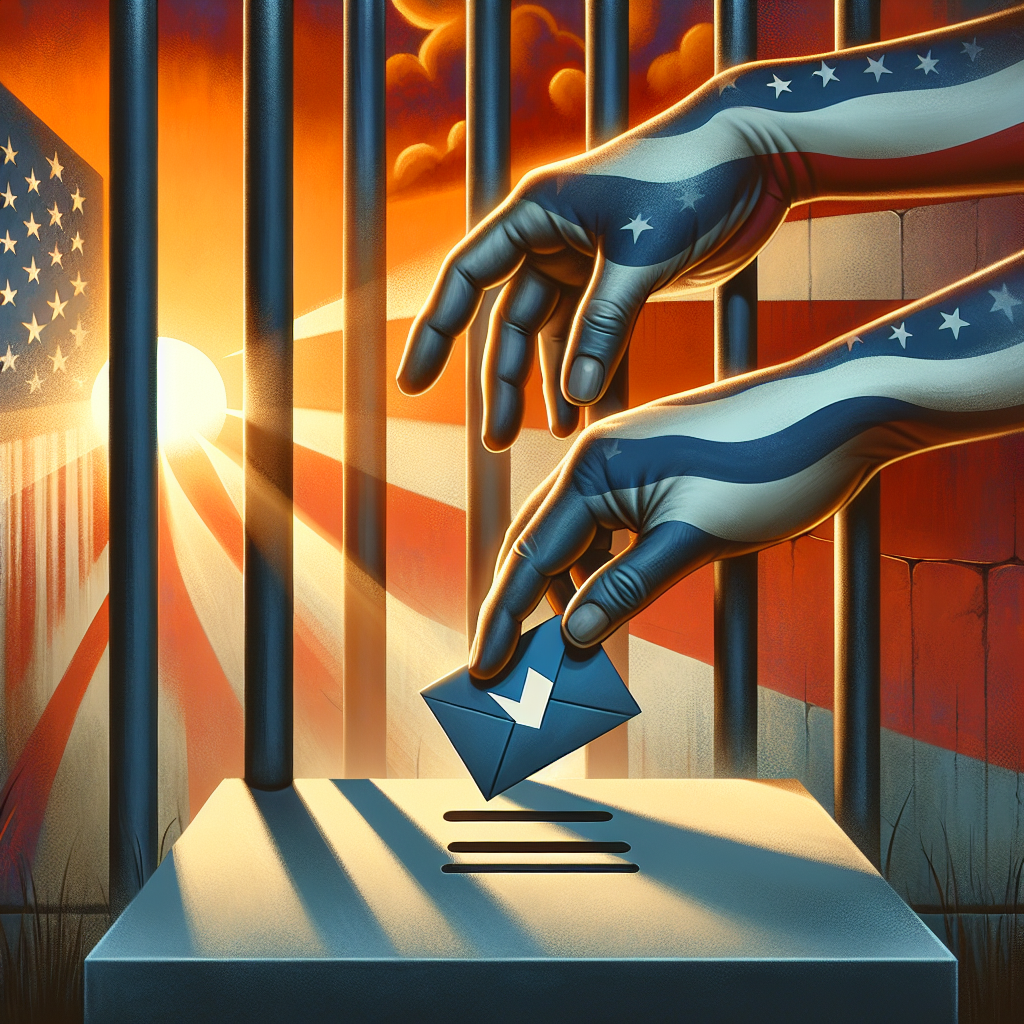
Restoring Voting Rights After Felony Conviction
What does it mean to truly have a second chance? For many individuals who have served time, life after prison doesn’t just begin with stepping through the gates of freedom. It’s about rebuilding lives, rekindling hopes, and, crucially, regaining the right to vote. This journey toward restoring voting rights after a felony conviction is not merely about ballots and booths; it’s about reclaiming a voice that’s been silent for too long.
For those who have been through the justice system, the right to vote can symbolize a significant part of their reintegration into society. Yet, in many places, barriers remain. While some states automatically restore this right upon release, others require a complex process that can be daunting. Imagine navigating a maze without a map—this is often how it feels for those seeking to reinstate their voting rights.
According to the Sentencing Project, an estimated 5.2 million Americans were unable to vote in 2020 due to felony disenfranchisement laws. This number highlights not just a statistic but countless stories of individuals yearning for participation in a democracy that governs their lives. These are citizens who live, work, and contribute to their communities, yet face hurdles in having their voices heard at the ballot box.
Consider John, a hypothetical but all-too-common story, who served time for a mistake made in his twenties. Now, in his forties, John has rebuilt his life, secured a job, and is a supportive father. Still, when election time comes around, he finds himself excluded from the democratic process. The frustration felt by John is not just about politics; it’s about being part of the community he has worked so hard to rejoin. Restoring voting rights isn’t simply about casting a vote—it’s a step toward reintegration, acceptance, and belonging.
Fortunately, there is hope and progress. Advocacy groups across the country are tirelessly working to change laws and support individuals in navigating the restoration process. Organizations like the Florida Rights Restoration Coalition have been pivotal in helping people like John regain their voting rights through legal support and community outreach. They provide not just resources but encouragement, reminding individuals that they are not alone in their journey.
The path to regain voting rights varies. In some states, it’s a matter of paperwork; in others, it might require a governor’s pardon. But the first step is always about awareness and access to information. Here, community plays a vital role. Reentry services, legal aid organizations, and advocacy groups are crucial in guiding individuals through the maze. They offer more than just procedural help; they offer hope and a reminder that change is possible.
For employers, engaging in second chance hiring is another avenue to support formerly incarcerated individuals. By providing job opportunities, employers can play a part in the broader initiative of reentry after prison, empowering individuals to rebuild their lives and contribute positively to society. Employment after incarceration is not just about a paycheck—it’s about dignity and the chance to be an active, contributing member of the community.
As we discuss the importance of voting rights, it’s essential to remember that these rights are intertwined with the broader vision of criminal justice reform. Each success story, each restored right, is a step toward a more inclusive society where past mistakes do not define the future. It’s about allowing individuals to rewrite their narratives and contribute to the democratic process that shapes their lives and communities.
If you’re interested in supporting those impacted by the justice system, consider taking a compassionate step today. Visit EliteInmates.com, where you can connect with incarcerated individuals through pen pal programs. Your letters offer more than friendship; they bridge gaps, reduce loneliness, and reinforce the belief in second chances. By sharing stories and providing support, you help create a network of hope and change. Join us in making a meaningful impact—one connection at a time.
Phone: (302) 201 - 0770
Address: 8 The Green #8840 Dover, DE 19901
info@eliteinmates.com
We write rarely, but only the best content.
