
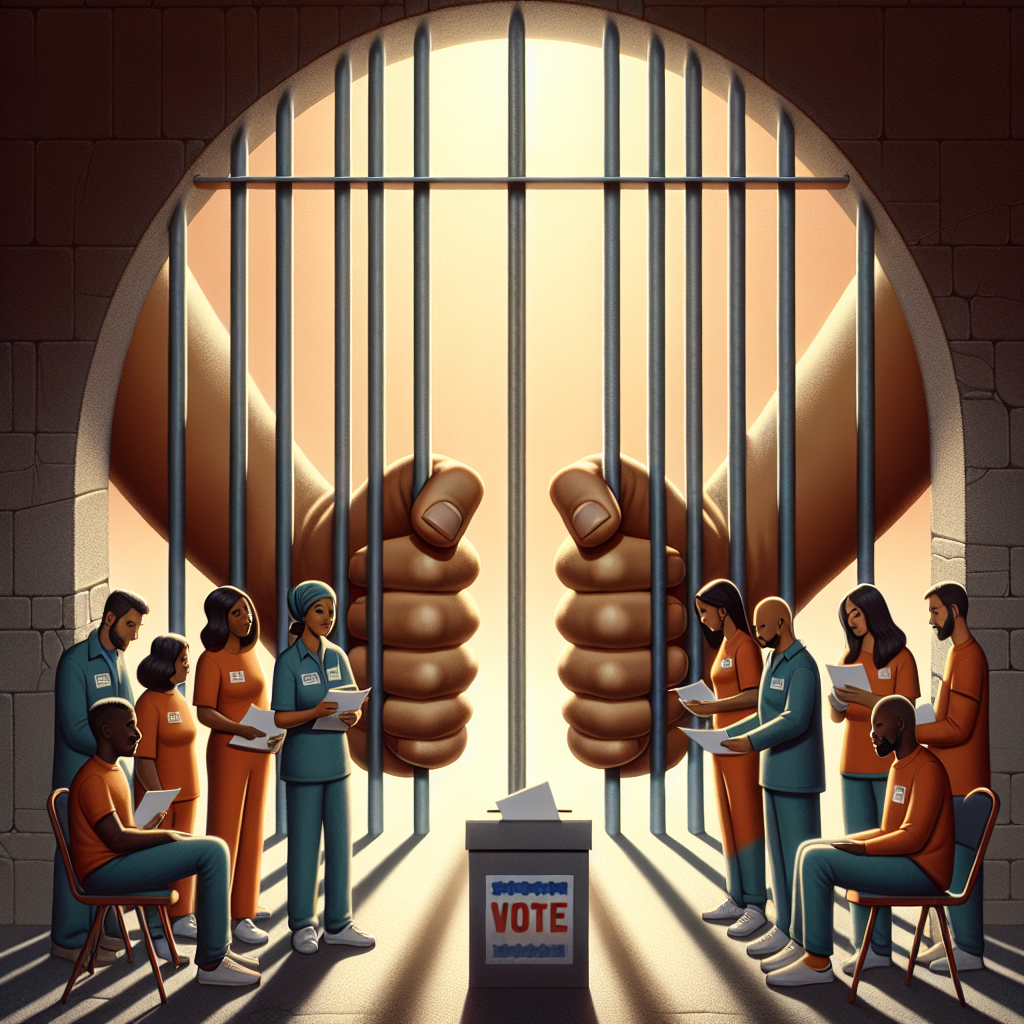
Restoring Voting Rights After Felony Conviction
What if the opportunity for a fresh start was just a step away, but the path to it felt like an uphill battle? For many individuals navigating life after prison, this is the reality they face daily. Imagine stepping back into society, carrying not just the weight of a past conviction but also the hope for a second chance. Yet, one of the primary barriers standing in their way is something many of us take for granted: the right to vote.
For those who have been incarcerated, especially for felony convictions, regaining the right to vote is a crucial part of rejoining the community. It’s more than just a checkbox on a form—it’s a powerful symbol of being heard and included. Voting is a fundamental civic duty that makes people feel connected and valued in their society. Yet, across the United States, the journey to restore these rights can vary dramatically, with rules and regulations differing from state to state.
Take Florida, for instance, where a landmark move in 2018 saw voters approve an amendment to restore voting rights to over 1.4 million individuals with felony convictions. This was a monumental shift, highlighting the power of collective decision-making and the possibility of change. However, the implementation has been fraught with challenges, demonstrating that while progress is possible, there’s still work to be done.
It’s important to acknowledge that the struggle to regain voting rights after a felony conviction isn’t just a legal battle—it’s deeply personal. It affects families and communities, creating ripples that touch everyone involved. For many, this is a journey of reclaiming a sense of identity and belonging. Imagine being a part of shaping the future of your community, having a say in policies that impact your life and the lives of your loved ones—that’s what voting rights can restore.
Organizations across the country are tirelessly working to break down these barriers, offering support and resources to those affected. Advocacy groups, reentry programs, and legal aid organizations provide invaluable assistance, guiding individuals through the often-confusing process of restoring their rights. They are the unsung heroes in this narrative, paving the way for second chances and renewed hope.
Understanding the significance of these efforts invites us to reflect on the broader implications of denying voting rights. It’s not merely about political participation; it’s about acknowledging the humanity and potential of every individual. It’s about recognizing that people are more than their past mistakes, and that with support, they can contribute positively to society.
Restoring voting rights is not just an administrative task; it’s a step toward healing and integration. For employers considering second-chance hiring, this perspective can offer a new way of engaging with potential employees. By understanding the systemic barriers individuals face, employers can become allies in the journey of reentry after prison, fostering environments where everyone has the chance to thrive.
In the grander scheme, the movement towards restoring voting rights is part of a broader push for criminal justice reform. It’s about creating a system that’s not just punitive but rehabilitative, offering pathways for individuals to rebuild and contribute positively to their communities. This is where hope lies—in the possibility of change, in the power of second chances, and in the collective effort to make our society more inclusive and just.
As we think about these issues, there’s an opportunity for each of us to make a difference. At EliteInmates.com, we believe in the transformative power of connection. By becoming a pen pal to someone currently incarcerated, you can offer friendship, hope, and support that can be life-changing. Imagine the impact of sharing stories, empowering change, and bridging the gap between isolation and community. So why not take the first step today? Visit EliteInmates.com, reach out, and be part of a movement that believes in the power of second chances. Join us in making a meaningful impact—one conversation at a time.
Phone: (302) 201 - 0770
Address: 8 The Green #8840 Dover, DE 19901
info@eliteinmates.com
We write rarely, but only the best content.
