
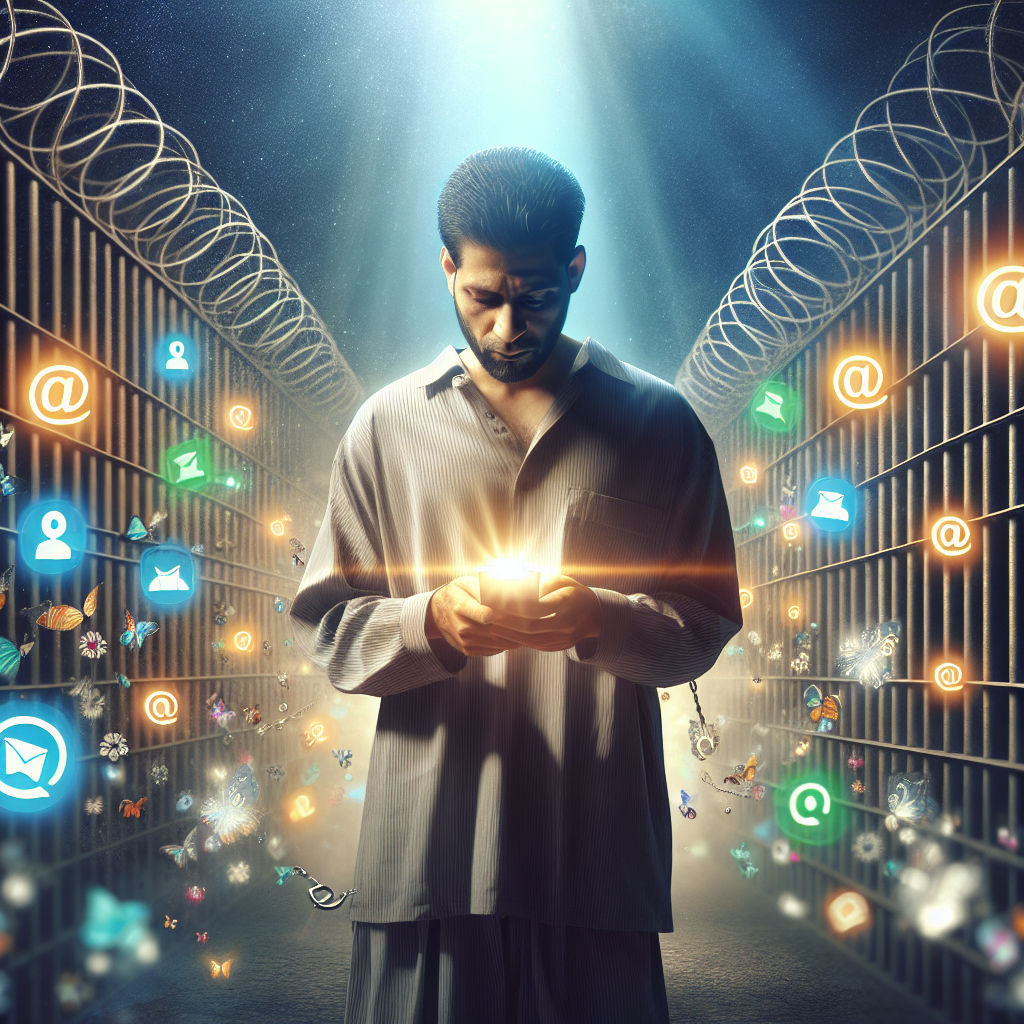
Tech Access & Digital Literacy After Release
When Robert walked out of prison after serving a decade behind bars, he was filled with equal parts excitement and trepidation. The world he once knew had evolved drastically. Smartphones were now ubiquitous, social media had redefined communication, and the digital world permeated almost every aspect of life. For Robert and many like him, the challenge wasn’t just about finding a job but navigating a society where technology literacy was a prerequisite for almost every opportunity. This digital divide is a critical but often overlooked barrier facing those reentering society after incarceration.
For individuals like Robert, technology access and digital literacy aren’t just about owning a smartphone or knowing how to send an email. It’s about understanding and leveraging these tools to rebuild their lives, reconnect with families, and secure employment. Sadly, the gap is wide; a 2014 study by the Prison Policy Initiative found that, upon release, many individuals have little to no experience with current technology — a stark disadvantage in today’s job market.
Reentry after prison is fraught with obstacles, but technology should be a bridge rather than a barrier. Employers today seek candidates who are not only skilled but also adaptable to new technologies. This expectation can be daunting for someone who has just returned to a world that seems alien. However, through support and education, these hurdles can become stepping stones.
One solution is community-based digital literacy programs that cater specifically to formerly incarcerated individuals. These programs provide hands-on training in essential digital skills, from basic computer use to navigating job search platforms and crafting digital resumes. Through these initiatives, participants not only gain valuable skills but also build confidence — a crucial component of successful reintegration. Programs like these often partner with local businesses to facilitate second chance hiring, showing employers firsthand the potential and dedication these individuals bring to the table.
Moreover, technology can be a powerful tool for staying connected with support networks. Online communities and forums provide spaces for sharing experiences, seeking advice, and finding encouragement from others who understand the unique challenges of life after prison. Social media, when used wisely, can help rebuild personal relationships and foster a sense of belonging, which is vital for mental health and well-being.
Employers have a significant role to play in bridging the digital divide for individuals reentering society. By offering on-the-job training and mentorship, they not only fill skill gaps but also demonstrate a commitment to second chance hiring. Some forward-thinking companies have already seen the benefits of this approach, noting increased loyalty and reduced turnover among employees who have been given a second chance.
Stories of success are not just hopeful anecdotes; they illustrate the tangible benefits of integrating formerly incarcerated individuals into the workforce. Take, for instance, James, who, after completing a digital literacy program, secured a position in IT support. His employer, impressed by his dedication and quick learning, sponsored further education, allowing James to advance in his career. This is the power of technology access and digital literacy — turning past mistakes into future successes.
If you or someone you know is navigating life after prison, remember that the journey is not one you must undertake alone. Support is available, from local community initiatives to online resources. Every step taken towards gaining digital literacy is a step closer to unlocking new opportunities and reshaping your future.
As we address these challenges, we can also find ways to connect and support one another. At EliteInmates.com, we believe in the power of human connection. Becoming a pen pal offers hope and friendship to those currently incarcerated, providing a vital link to the outside world and supporting their eventual reintegration. By forming these connections, you can play a role in reducing loneliness and promoting rehabilitation, one letter at a time. So why not take the first step today? Visit EliteInmates.com to learn more about how you can make a meaningful impact. Together, we can help bridge the gap and empower individuals for a brighter tomorrow.
Phone: (302) 201 - 0770
Address: 8 The Green #8840 Dover, DE 19901
info@eliteinmates.com
We write rarely, but only the best content.
