
Tech Access & Digital Literacy After Release
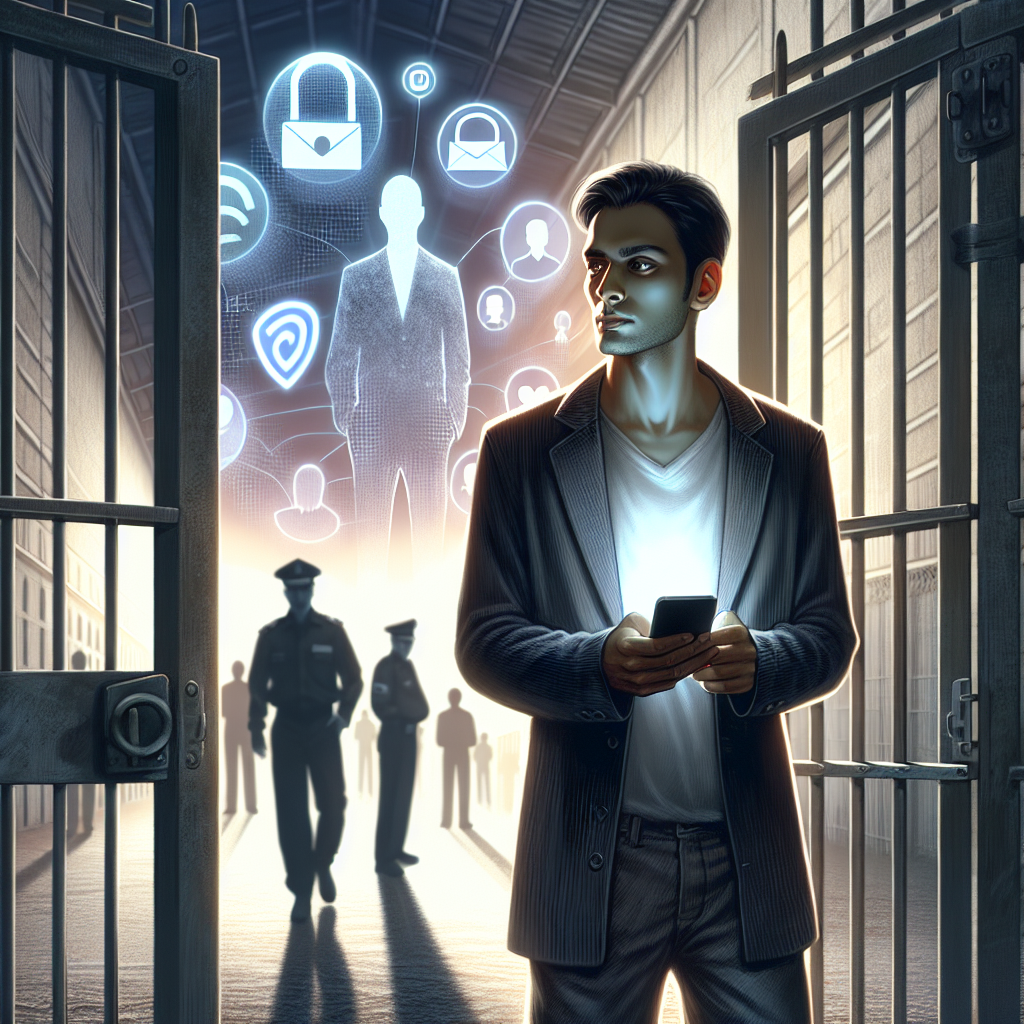
When John walked out of the prison gates after serving eight years, he held more than just a small bag of personal belongings; he carried the weight of a world that had evolved in his absence. Technology had leaped miles ahead, leaving him feeling like a stranger in his own life. While inside, smartphones became indispensable, social media transformed communication, and digital literacy emerged as a crucial skill for employment. For many like John, the transition from incarceration to freedom is daunting, especially when faced with the digital divide that can feel like an insurmountable barrier.
Access to technology and digital literacy is more than just a modern convenience; it’s a lifeline to opportunities and a smoother reentry after prison. For those reentering society, the first step often involves securing employment. But today, job applications are predominantly online, and interviews might be conducted over video calls. Imagine trying to navigate this landscape without the skills or access to technology that many take for granted. It’s a reality for countless individuals who are eager to rebuild their lives.
Statistics reveal that approximately 70 million Americans have criminal records, and their unemployment rate is around five times higher than the national average. This isn’t just a number; it’s a reflection of systemic hurdles that can stifle hope and undermine second chances. But the narrative doesn’t have to end here. By focusing on solutions and fostering environments of inclusivity, we can change these statistics and, more importantly, change lives.
Innovative programs and initiatives are stepping up to bridge this gap. Organizations are providing digital literacy training tailored to the unique needs of formerly incarcerated individuals. These programs often offer courses on using computers, understanding the internet, and mastering essential software used in today’s workplace. For instance, participants learn how to craft resumes, apply for jobs online, and even attend virtual job fairs. These skills can transform a daunting task into a manageable journey toward employment after incarceration.
Moreover, some forward-thinking companies are embracing the concept of second chance hiring. They’re recognizing the untapped potential in individuals who are eager to contribute to the workforce and prove their worth. Employers are finding that these employees often bring unparalleled loyalty and dedication, driven by the profound gratitude for a second chance. It’s a win-win scenario that not only benefits businesses but also fosters community well-being by reducing recidivism and promoting stability.
Yet, access to technology and digital literacy extends beyond employment. It touches every aspect of life after prison, including staying connected with loved ones and managing daily tasks like banking or accessing healthcare. The digital divide can be isolating, but with the right support and resources, individuals can reconnect and thrive.
For families and support networks, understanding and patience are paramount. Supporting a loved one through reentry means encouraging their learning and celebrating their victories, no matter how small. It’s about nurturing an environment where hope and second chances are more than just concepts—they’re realities.
Ultimately, the journey from incarceration to reintegration is complex, but not without hope. As a society, we can foster empathy and understanding, creating pathways for success that are inclusive and empowering. By investing in digital literacy and technology access, we are investing in people, communities, and a future where everyone has the opportunity to flourish.
If you’re looking to make a personal impact, consider the profound effect of connection. Visit EliteInmates.com and explore becoming a pen pal. By reaching out, you’re not just offering friendship and reducing loneliness; you’re supporting rehabilitation and creating hope. Your words could be the encouragement someone needs to take the next step in their journey. Why not take that step today? Join us at EliteInmates.com and be part of a community that believes in the power of second chances.
Phone: (302) 201 - 0770
Address: 8 The Green #8840 Dover, DE 19901
info@eliteinmates.com
We write rarely, but only the best content.
