
Understanding Prison Mail Rules: Dos & Don’ts
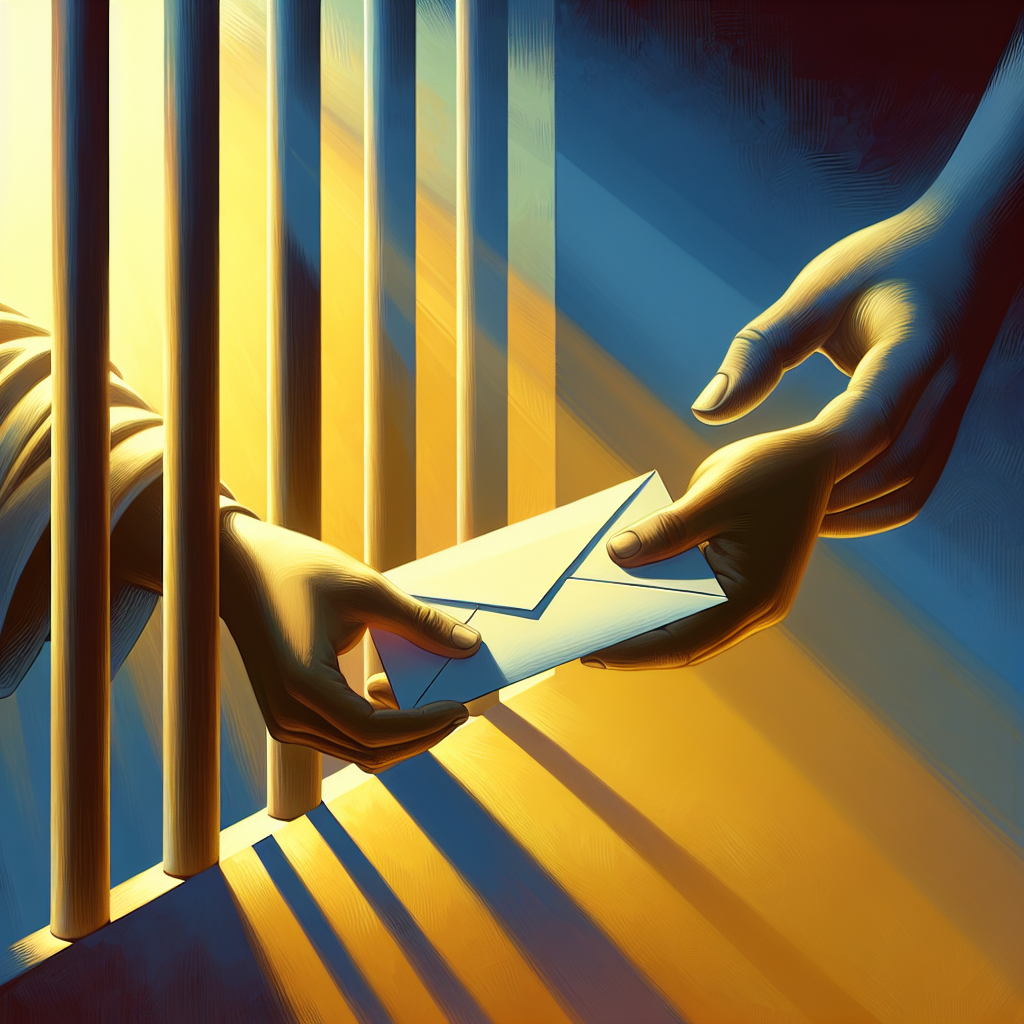
Ever found yourself staring at a blank page, pen in hand, wondering how to pour your heart out to someone behind bars? For many, connecting with an incarcerated loved one through the written word is both a lifeline and a labyrinth. It’s no simple task; prison mail rules can feel like a maze of dos and don’ts, where one misstep can mean a letter is returned, unread. So, why is it that something as fundamental as communication with loved ones can be so complex?
Understanding the nuances of prison mail rules is crucial not just for maintaining personal connections, but also for offering hope and a sense of normalcy to those on the inside. Every facility has its own set of guidelines, which can vary significantly from federal to state prisons, and even between individual institutions. Commonly, items like glitter, stickers, or Polaroid photos are banned due to their potential to conceal contraband. Seemingly benign, these materials can lead to a letter’s rejection, cutting off communication when it’s needed most.
Why such strict rules, you might wonder? The priority for correctional facilities is safety and security, which sometimes means erring on the side of caution. This can be frustrating, especially when trying to maintain a meaningful connection with someone who’s incarcerated. The frustration doubles when you realize that even the way you phrase something can trigger rejection. For instance, discussing ongoing legal matters or using coded language can raise red flags, leading to your letter being flagged and potentially delayed or blocked entirely.
But don’t be discouraged. With a bit of understanding and preparation, it’s possible to navigate these rules effectively. The first step is familiarizing yourself with the specific mail guidelines of the institution where your loved one is housed. Most facilities provide this information online or through their administrative offices. It’s a good idea to periodically check for updates, as rules can change without much public notice.
To avoid common pitfalls, consider drafting your letter with a focus on positivity and support. Sharing everyday stories, encouraging words, and updates about life can provide a much-needed sense of connection and belonging. Remember, your words are a powerful tool for boosting morale and offering reassurance. Personal stories of overcoming challenges or humorous anecdotes can uplift spirits in ways that few other things can.
Empathy is the cornerstone of these communications. The incarcerated individuals who read your letters are often in the midst of grappling with their actions and working towards rehabilitation. Your letter can be a beacon of hope, reminding them of life after prison and the potential for second chances. It’s not just about what you write; it’s about the intent behind your words. A heartfelt message can bridge the gap between confinement and the outside world, reinforcing their identity beyond the prison walls.
For families and friends, writing these letters is also a form of support and advocacy. It’s a gentle reminder that the person they care about is more than their past mistakes and deserves the opportunity for redemption and reintegration. The act of writing can be as healing for the sender as it is for the receiver, reinforcing bonds and fostering understanding.
Ultimately, the goal is to craft a letter that not only adheres to the rules but also resonates on a personal level. It’s about making the most of the chance to communicate, no matter how limited it might seem. And as daunting as it may be, remember that each letter is a step towards building a bridge between worlds, offering hope and a reminder of life beyond the bars.
The journey of reentry after prison is fraught with challenges, but communication can be a lifeline. And if you’re looking to extend that lifeline even further, consider joining EliteInmates.com. By becoming a penpal, you can extend your compassion and understanding to someone who might not have such support. Your words can help reduce loneliness, offer friendship, and support rehabilitation. Why not take that first step today? Visit EliteInmates.com, reach out, and be part of a community that believes in second chances and the power of connection. Together, we can make a meaningful impact.
Phone: (302) 201 - 0770
Address: 8 The Green #8840 Dover, DE 19901
info@eliteinmates.com
We write rarely, but only the best content.
