
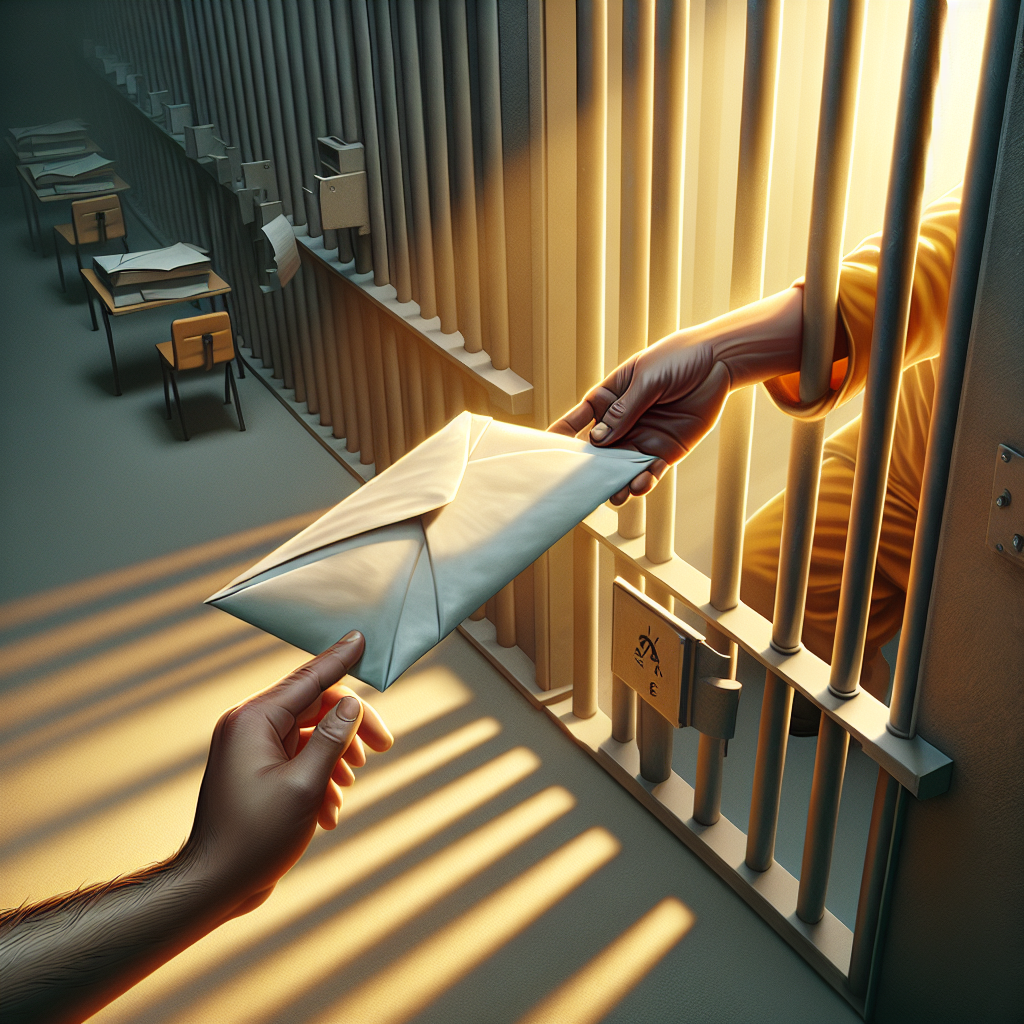
Understanding Prison Mail Rules: What’s Allowed & Banned
Have you ever thought about the power of a letter? In a world dominated by digital communication, the simplicity and sincerity of a handwritten note can offer an invaluable connection, especially for those behind bars. For incarcerated individuals, mail isn’t just paper and ink; it’s a bridge to the outside world, a source of hope, and a reminder that they are remembered. However, understanding prison mail rules is essential to ensure that letters reach their intended recipients without being rejected.
Navigating the rules of prison mail can sometimes feel like deciphering a complicated map. Each facility has its own set of guidelines, but some general rules tend to apply across most correctional institutions. First and foremost, it’s important to use the correct address format, which generally includes the inmate’s full name, identification number, and the facility’s address. This attention to detail might seem trivial, but it’s crucial to ensure your letter doesn’t get lost in transit.
When it comes to what you can include in your correspondence, think of it as a practice in simplicity and positivity. Personal letters, photos, and newspaper clippings are generally acceptable, but there are restrictions. For instance, Polaroid photos are often banned due to their thicker backing, which could potentially conceal contraband. Additionally, avoid sending items like stickers, glitter, or even certain art materials, as these can raise red flags.
It’s equally important to be mindful of the language and content of your letters. Avoid discussing anything that could be perceived as a security threat or involves illegal activities. Instead, focus on encouraging words, shared memories, and future plans. Imagine how uplifting it can be for someone to read about what’s happening in your life, your hopes, and your dreams—offering them a glimpse of the world outside and a reminder of human connection.
One aspect that often surprises people is the range of items considered contraband. Items like stamps, while seemingly benign, are often restricted. This can be due to concerns about contraband, as stamps can potentially be used as currency within the facility. Instead, check if the facility allows you to purchase postage directly through their approved vendors or commissary.
Rejection of a letter can be disheartening, but understanding some common pitfalls can help avoid this. For example, printed materials, such as books or magazines, often need to be sent directly from the publisher or an approved retailer. This ensures that the content is vetted and safe for the inmate. Similarly, while many facilities accept softcover books, hardcover editions are generally not allowed due to security risks.
For families and friends, these rules might seem overwhelming at first. However, with a bit of patience and understanding, navigating them becomes easier. The key is to remember the purpose of your mail: to offer support, maintain a connection, and provide comfort. Each letter becomes a thread in the fabric of relationship-building, reinforcing the idea that individuals who are incarcerated are not forgotten but are a part of a community that cares for them.
Imagine a world where every letter sent becomes a catalyst for change, offering not just hope but also a sense of belonging. For many, these correspondences are a vital part of reentry after prison, helping individuals transition back into society by maintaining ties with family and friends. This connection can be a stepping stone towards employment after incarceration, rebuilding lives, and embracing second-chance hiring opportunities.
So, as we consider the power of letters, why not take that first step today? By reaching out and becoming a pen pal, you can bring light into someone’s life, reduce loneliness, and encourage rehabilitation. At EliteInmates.com, we believe in the power of connection. Visit our platform to learn more about the impact of forming friendships with incarcerated individuals. Your words can make a meaningful difference, offering hope and building bridges to a brighter future. Join us in making that impact—one letter at a time.
Phone: (302) 201 - 0770
Address: 8 The Green #8840 Dover, DE 19901
info@eliteinmates.com
We write rarely, but only the best content.
