
Understanding Prison Mail Rules: What’s Allowed & Banned
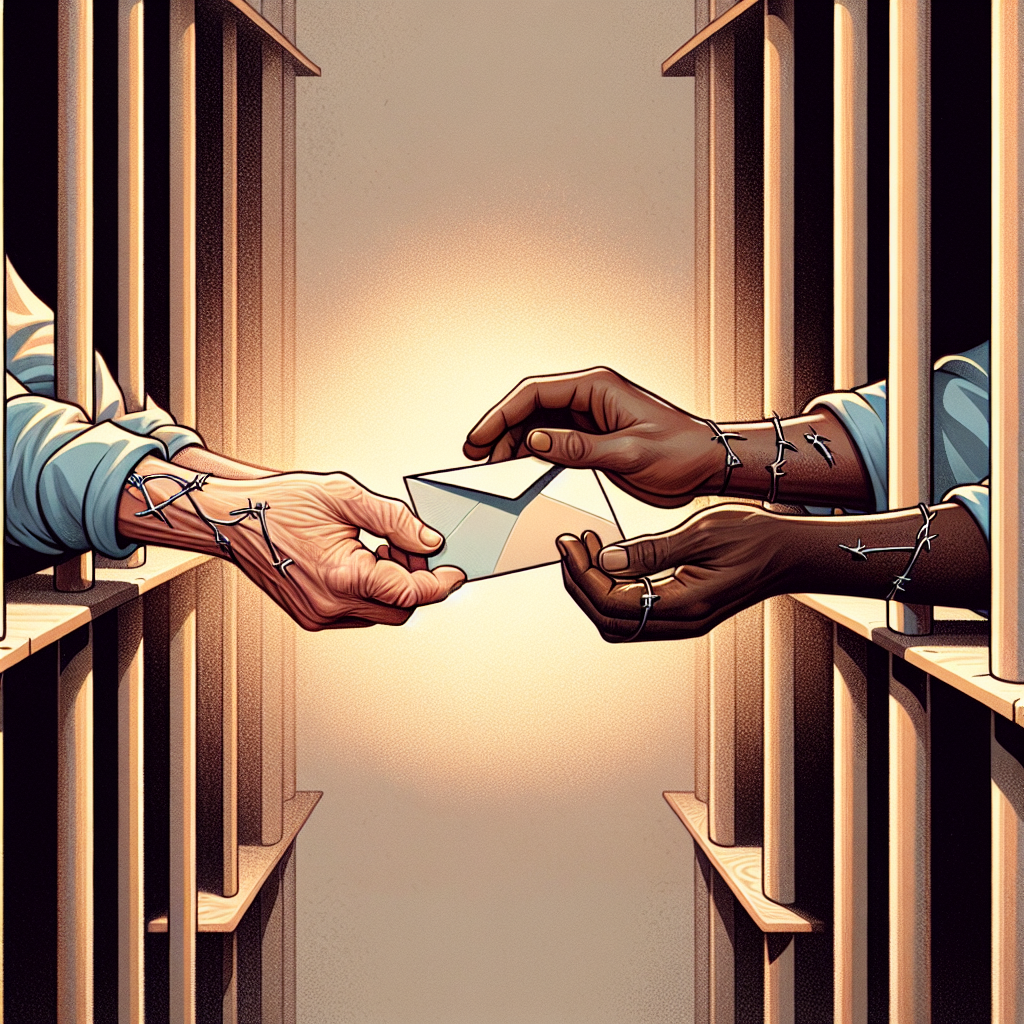
Have you ever considered the emotional impact of a letter? It’s a simple piece of paper, yet its power to comfort, connect, and convey hope is immense, especially for those navigating life behind bars. Understanding the nuances of prison mail rules can make all the difference in ensuring your message of support reaches its intended recipient, reinforcing the bridge between worlds that are often kept apart by walls, both physical and metaphorical.
For families and friends of incarcerated individuals, sending mail is more than just communication; it’s a lifeline to the outside world, a reminder that they are not forgotten. However, the rules governing what can and cannot be sent can be complex. What’s allowed? What’s banned? And how can you avoid having your heartfelt letters rejected? Let’s explore these questions together, with a view towards fostering hope and understanding.
The first thing to know is that mail policies can vary significantly from one facility to another. This variability means that what works for one prison might not work for another. Always check the specific guidelines of the facility where your loved one is housed. However, some general principles apply across the board. Typically, letters should be written on standard, unadorned paper. While it might be tempting to include drawings or stickers to brighten up your letters, these are often not allowed as they can be used to conceal contraband.
Photos can be a beautiful way to share memories and keep connections alive. Yet, even here, there are restrictions. Most facilities have limits on the number of photos and their sizes. Images should avoid depicting anything suggestive, violent, or that might be considered gang-related. When in doubt, a simple portrait or a comforting family picture often works best.
You might wonder why prisons have such stringent regulations. The primary concern is security. Unfortunately, letters and packages have been used to smuggle prohibited items into facilities, which can jeopardize the safety of both inmates and staff. Understanding this context helps us see the importance of these measures, even as we navigate their challenges.
One common stumbling block for well-meaning correspondents is the inclusion of seemingly innocuous items like greeting cards, which can be rejected if they contain embellishments or are oversized. Stick to simple, flat cards without any pop-ups or musical elements. And forget about sending cash, checks, or stamps; these are typically prohibited and can result in the entire letter being returned.
So, how can you avoid the heartache of a rejected letter? Start by ensuring your correspondence is personal yet compliant. A heartfelt message goes a long way. Emphasize words of encouragement and shared stories, which can be a source of strength and motivation for someone working on reentry after prison. Remember, these letters are more than just a means of communication; they are a testament to the human spirit’s resilience and its capacity for renewal.
For those seeking to support individuals on their journey toward reentry after prison, understanding these mail rules is crucial. It demonstrates a commitment to maintaining a connection that can be transformative. Employment after incarceration, for instance, can often hinge on maintaining a positive support network. Letters can play a pivotal role in this by offering moral support and practical advice on navigating life after prison.
If you’re an employer exploring second chance hiring, or simply someone interested in criminal justice reform, knowing these nuances can enhance your empathy and understanding of the challenges faced by those reentering society. After all, employment after incarceration is just one piece of the puzzle. Personal connections, often sustained through letters, provide the emotional and psychological support necessary for successful reintegration.
As we close this exploration of prison mail rules, consider the profound impact you can have by reaching out to someone on the inside. At EliteInmates.com, we invite you to become a pen pal. Not only can you offer hope and friendship, but you also stand to gain a deeper understanding of the human stories behind the statistics. Your words can reduce loneliness, support rehabilitation, and help pave the way for brighter futures. So why not take the first step today? Reach out, learn about an incarcerated individual’s life story, and become a pen pal. You have the power to make a meaningful impact. Join us at EliteInmates.com, and let’s build bridges of hope together.
Phone: (302) 201 - 0770
Address: 8 The Green #8840 Dover, DE 19901
info@eliteinmates.com
We write rarely, but only the best content.
