
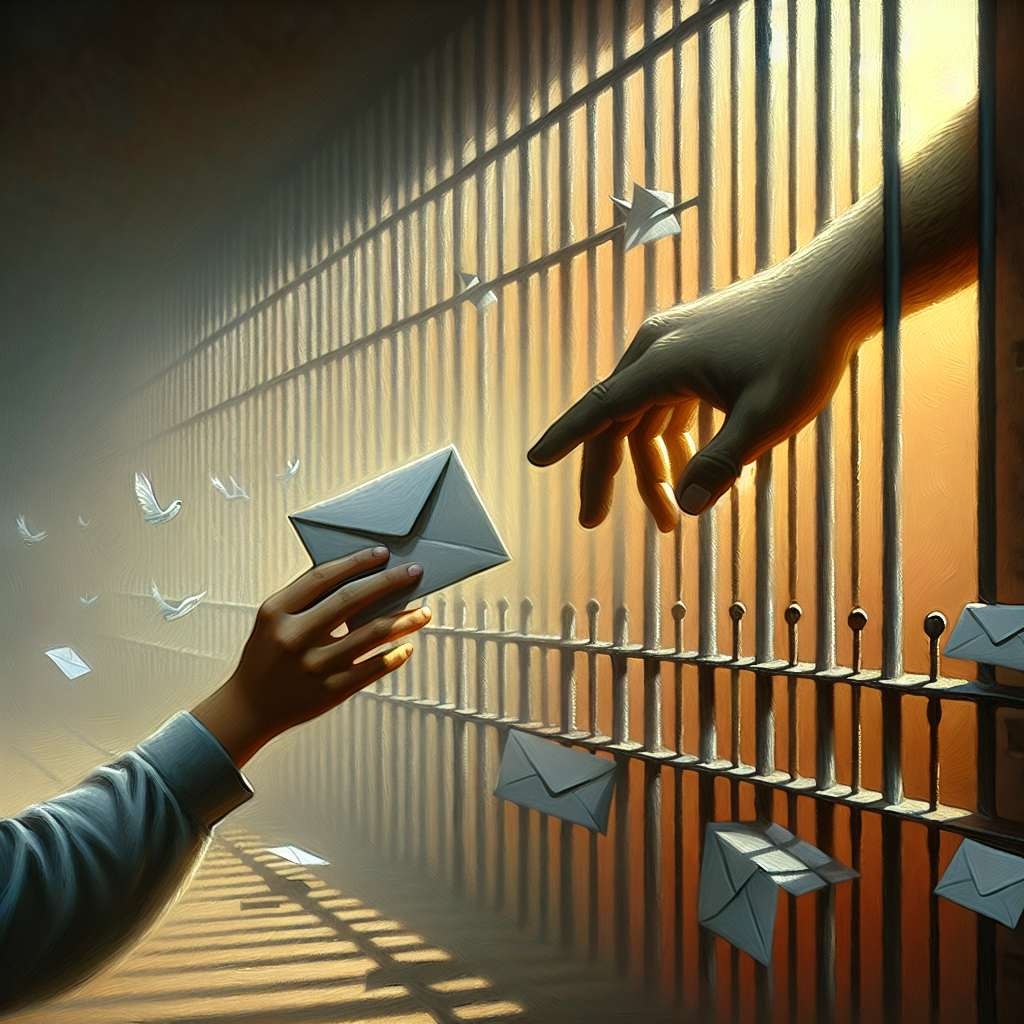
Understanding Prison Mail Rules: What’s Allowed & Banned
Have you ever paused to think about how a simple letter can be a lifeline for someone on the inside? For many individuals in prison, mail is more than just ink on paper—it’s a vital connection to the outside world, a ray of hope, and a reminder that they are not alone. But navigating the rules around prison mail can be tricky, and understanding what’s allowed or prohibited can make all the difference between a letter being received or rejected.
When it comes to prison mail rules, each facility may have specific guidelines, but there are general principles that apply across the board. For starters, all incoming and outgoing mail, except for legal correspondence, is typically subject to inspection. This is done to prevent the introduction of contraband and to ensure the safety and security of the institution. It might feel invasive, but it’s crucial to remember that these rules are in place to protect everyone involved.
So, what exactly can you send to a loved one or friend in prison? Personal letters are nearly always welcome, and they should be written in a clear, respectful manner. Avoid using coded language or discussing any illegal activities, as this can raise red flags and lead to the letter being rejected. Photos are generally allowed, but they should be printed on regular paper and free of any suggestive or explicit content. Furthermore, items like stamps, envelopes, and blank paper are often restricted, as many facilities provide these essentials through commissary services.
Books and magazines can be a wonderful way to support someone during their incarceration, but they need to be shipped directly from an approved vendor, such as a bookstore or an online platform like Amazon. It’s important to verify the facility’s policy on this, as some might have limitations on the type, size, or even the content of the reading materials allowed. Hardcover books, for example, are often not permitted due to concerns about hidden contraband.
One of the most disappointing experiences for both sender and recipient is having a letter returned or discarded. To avoid this, it’s crucial to familiarize yourself with the facility’s specific guidelines, which are usually available on their website or can be obtained by contacting the prison directly. Common reasons for rejection include using glitter or stickers, including cash or personal checks, or sending inappropriate content. By adhering to these guidelines, you’re not just ensuring your letter gets through, but also showing respect for the rules that govern the recipient’s current home.
While the rules may seem restrictive, they don’t diminish the profound impact your letters can have. Words have the power to uplift, to heal, and to provide hope. They offer a glimpse of life after prison—a reminder that second chances are possible and that reentry after prison can lead to new beginnings. Studies have shown that maintaining communication with friends and family during incarceration can significantly enhance the chances of a successful transition to life outside, reducing recidivism and paving the way for meaningful employment after incarceration.
As you consider writing to someone in prison, remember that your support can be a beacon of hope. It’s a powerful message that they are valued and that their past doesn’t define their future. This is the essence of second-chance hiring and community reintegration—providing opportunities for growth and success, acknowledging the hurdles of reentry after prison, and believing in the potential of every individual to contribute positively to society.
So why not take the first step today? Visit EliteInmates.com and explore the opportunity to become a penpal. By reaching out with a letter, you can offer friendship, reduce loneliness, and support rehabilitation efforts, one word at a time. Your compassion and understanding can make a lasting impact—both inside and outside the prison walls. Join us at EliteInmates.com and become part of a community dedicated to hope and second chances.
Phone: (302) 201 - 0770
Address: 8 The Green #8840 Dover, DE 19901
info@eliteinmates.com
We write rarely, but only the best content.
