
Understanding Prison Mail Rules: What’s Allowed & Banned
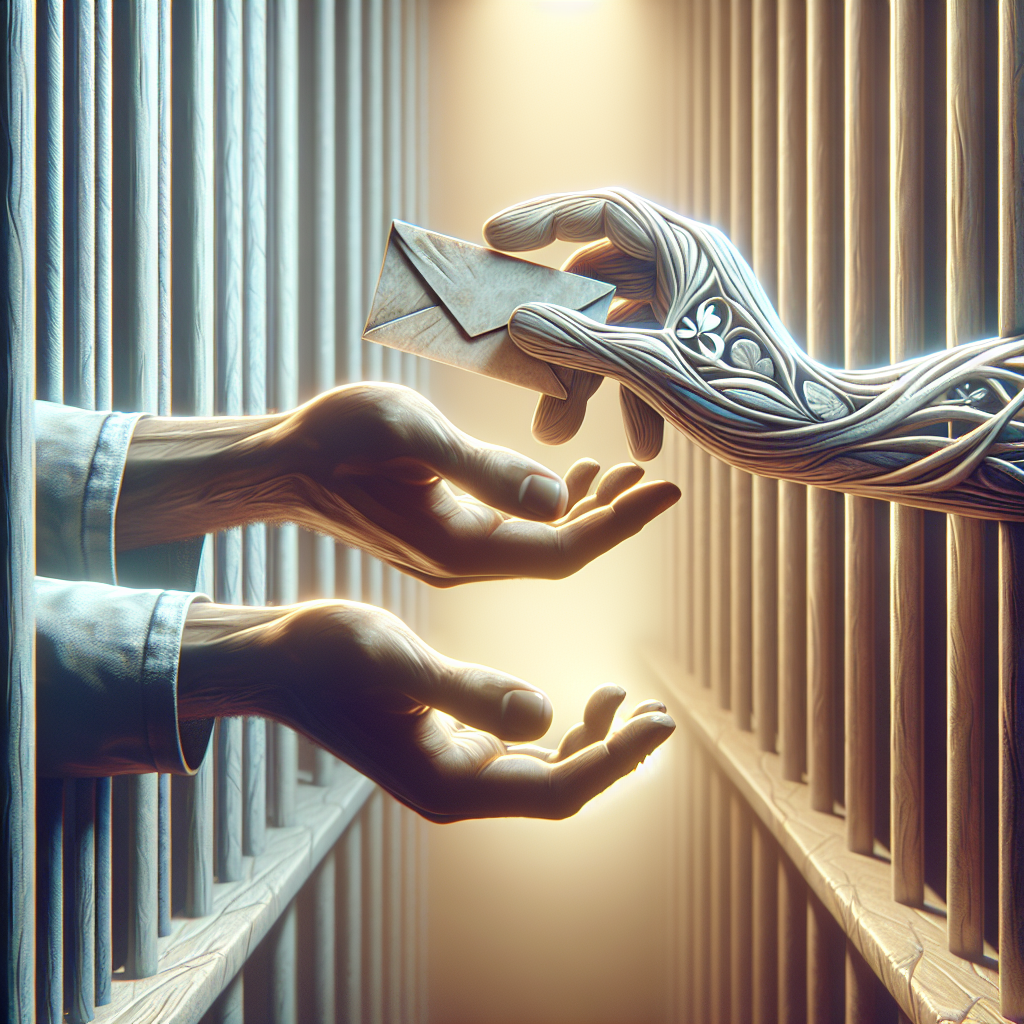
Have you ever wondered about the journey a letter takes before reaching the hands of someone incarcerated? For those outside the prison system, it might seem straightforward, but for families and friends striving to keep connections alive, understanding prison mail rules can feel like navigating a maze. These rules vary by institution but are crucial for ensuring communication remains a lifeline rather than a source of frustration.
When we delve into the world of prison correspondence, the first thing to understand is that each facility has its own set of rules. These rules are designed to maintain security while supporting the well-being of those inside. However, they can sometimes feel opaque and overwhelming. A common theme across most facilities is the ban on items that could compromise security — think contraband or coded messages hidden in seemingly benign letters. But what exactly constitutes contraband?
Contraband can range from seemingly innocuous items like stickers and stamps to more obviously restricted items like hard currency or photos that depict illicit activities. The reasoning behind these restrictions is primarily to prevent the smuggling of drugs or other prohibited goods. As a result, paper, plain and simple, often becomes the canvas for connection. Letters free of any foreign objects, written with care and understanding of the rules, have the highest chance of reaching their intended recipient.
But what about the content of those letters? Language is powerful, and in the context of prison mail, it’s important to avoid language that could be perceived as inciting violence or plans for escape. Keeping the tone positive, supportive, and focused on rehabilitation can not only help ensure the letter gets through but also provide emotional support to the recipient. It’s about offering a piece of the outside world that fosters hope and resilience.
Rejection of mail can be disheartening, yet it’s not always the end of the line. Understanding the reasons behind a rejection—whether it’s due to content, format, or an overlooked rule—can guide future attempts. Learning from these experiences is crucial for maintaining those vital lines of communication.
Let’s not forget the power of connection. For many incarcerated individuals, letters are a beacon of light, offering a glimpse of life beyond the walls. Consistent communication can reduce feelings of isolation and support mental health. Research has shown that maintaining relationships during incarceration significantly contributes to successful reentry after prison.
This is where the broader community comes in. Initiatives like second chance hiring and employment after incarceration are pivotal. They offer a tangible path to life after prison, underscoring the importance of sustained connections and support systems established during incarceration. By supporting these initiatives, employers not only provide opportunities for individuals looking to rebuild their lives but also enrich their organizations with diverse experiences and perspectives.
If you’re reading this and feel moved to make a difference, consider becoming a pen pal. At EliteInmates.com, you can be a part of someone’s journey towards hope and rehabilitation. By reaching out, you’re not just sending a letter; you’re extending a hand of friendship and understanding. These connections can transform lives, offering encouragement and a reminder that second chances are possible. Why not take that first step today? Join us at EliteInmates.com, and together, let’s build bridges that pave the way for brighter futures.
Phone: (302) 201 - 0770
Address: 8 The Green #8840 Dover, DE 19901
info@eliteinmates.com
We write rarely, but only the best content.
